 Location :
Orlando, FL, USA
Location :
Orlando, FL, USA +1 (407) 714-1616
 info@biz4group.com
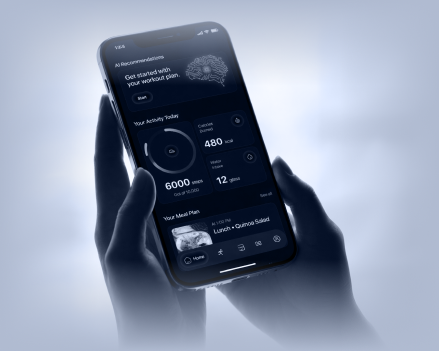
- Top AI fitness case studies show how brands improved retention, engagement, and revenue through measurable business-focused execution.
- Successful platforms used personalization to replace generic workouts, static journeys, and weak user motivation loops.
- Strong ROI came from reducing churn, increasing renewals, and scaling coaching without matching operating costs.
- Leading teams launched focused MVPs first, tested results early, then expanded after metrics proved value.
- Biz4Group LLC delivered fitness platforms that combined growth strategy, user experience, and practical AI implementation.
Why are some fitness brands growing faster with AI while others still struggle to prove results?
That question matters because many gyms, wellness startups, and fitness platforms face the same pressure. User churn stays high; personalization is hard to scale, and manual coaching models often limit profitability. Leaders want growth, but they also want proof that investment will translate into measurable returns.
This is where AI starts creating practical value. It can personalize workouts, improve member engagement, automate routine support, and help businesses make smarter retention decisions. Market momentum reflects that demand. The global AI in fitness and wellness market was valued at USD 10.68 Billion in 2025 and is projected to reach USD 57.80 Billion by 2035, growing at a 19.3% CAGR.
Consumer behavior is also shifting toward tailored experiences. More than 50% of people would use AI for personal training, while 20% of U.S. consumers and 33% of U.S. millennials prefer personalized products and services.
That is why businesses are now asking:
- we are a gym or fitness business looking for real examples of AI improving customer retention and performance
- we are exploring AI fitness solutions and want evidence of how companies achieved growth using AI
- we are a wellness startup evaluating AI adoption and need case studies to justify investment
- I am running a fitness app business and want to see real case studies of AI improving growth and engagement
This growing demand is exactly why the top AI fitness case studies matter. They show what worked, what created ROI, and how the right AI development company can turn opportunity into measurable business growth.
Why Are Top AI Fitness Case Studies Becoming the New Benchmark for ROI in 2026?
Fitness businesses evaluating AI are approaching the market differently in 2026. The discussion is no longer limited to what AI might achieve someday. Leaders now want evidence of what has already improved retention, engagement, revenue, and operating efficiency in real businesses.
That is why top AI fitness case studies are becoming the new benchmark for ROI. They move decision-making away from assumptions and toward proven commercial outcomes. Instead of relying on broad promises, operators can study where AI created measurable gains and how those results were achieved.
Many founders now say that, we are a fitness app company and want to understand how AI improves user engagement and revenue through real case studies. That shift in mindset matters because it focuses attention on execution, not hype.
So, why are these case studies carrying more weight right now?
1. ROI Is Replacing Curiosity
Earlier conversations often centered on innovation. Today, budgets are tighter and expectations are higher. Businesses want to know how AI improves renewals, conversions, retention, and margins before investing further.
2. Retention Has Become a Growth Priority
Acquiring users is expensive across fitness, wellness, and coaching markets. Companies are studying proven examples where personalization and smarter user journeys helped reduce churn and improve lifetime value.
3. User Engagement Is Easier to Measure
Daily active users, session completion, membership renewals, and upsell rates provide clear signals. That is why fitness technology ROI case studies are gaining attention among operators who need visible performance benchmarks.
4. Scalable Delivery Models Matter More
Many fitness brands want growth without matching increases in staffing costs. Case studies showing automated coaching flows, digital onboarding, and intelligent recommendations offer practical models for efficient expansion.
5. Internal Buy-In Requires Proof
Leadership teams, investors, and stakeholders often need stronger justification before approving budgets. Real case studies provide more confidence than generic product claims because they show how value was created in practice.
6. Market Competition Is Increasing
Users now expect personalized experiences, guided progress, and smoother digital journeys. Brands that learn from successful implementations can respond faster and avoid costly trial-and-error decisions.
The real shift is simple. AI is no longer judged by potential alone. It is being judged by measurable business outcomes. If you are thinking, we are planning to integrate AI into our fitness platform and need proven case studies showing ROI and success metrics, the next examples will help clarify what successful execution actually looks like.
Top AI Fitness Case Studies in 2026 by Biz4Group LLC: Real World Examples with Measurable Business Value
When you look at top AI fitness case studies, what you really want is clarity. Not just what was built, but why it mattered, how it was implemented, and what changed because of it. Let’s break down the fitness AI success stories for you:
Case Study 1. Transforming Personalized Training with an AI Workout App
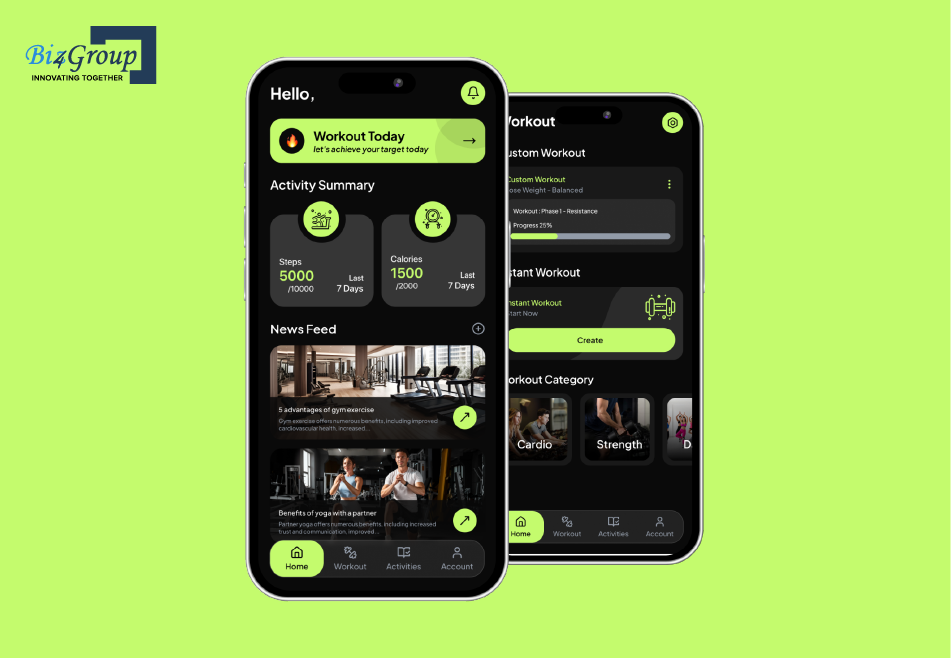
Biz4Group developed an AI workout app that uses image-based body analysis to understand a user’s physique, fitness level, and goals before recommending personalized workout plans. The platform replaced generic routines with adaptive training guidance, helping users exercise more effectively while improving
Problems Addressed
The fitness market had no shortage of workout apps, but many users still struggled to find guidance that felt truly personalized and effective. Most digital fitness platforms offered standard plans that could not adjust to individual body types, goals, or progress levels.
Users often faced:
- Standard workout plans with limited customization
- Difficulty finding routines aligned with personal goals
- Lack of adaptive guidance as progress changed
- Limited access to personalized training support
At the same time, fitness businesses needed:
- Scalable personalized coaching delivery
- Better user engagement through tailored experiences
- Automated workout recommendation systems
- Stronger retention through progress-based plans
AI Solutions Implemented
- AI-Based Body Assessment: The platform analyzes user body inputs and physical attributes to understand starting fitness conditions.
- Personalized AI Workout Plans: The app generates workout routines aligned with each user’s goals, body profile, and fitness needs.
- Smart Recommendation Engine: AI helped suggest exercises and training paths based on user-specific requirements.
- Progress Monitoring Support: Users can track improvements over time, helping maintain consistency and motivation.
- Scalable Digital Coaching Experience: The solution delivered personalized fitness guidance without relying entirely on human trainers.
How We Optimized Cost
The AI workout app was designed to improve profitability by reducing manual service costs and creating a scalable digital fitness model.
- AI automation reduced the need for continuous one-on-one trainer involvement in routine planning.
- Digital onboarding and workout guidance lowered the cost of delivering personalized fitness support.
- Scalable app delivery allowed more users to be served without equal increases in operating expenses.
- Better user engagement and retention helped reduce repeated customer acquisition costs over time.
The AI custom workout app transformed fitness planning into a personalized digital experience that improved user engagement, increased workout consistency, and created a scalable coaching model. It also stands out among case studies of AI fitness apps improving user retention, helping position the business for stronger recurring revenue growth and long-term market expansion.
Case Study 2: Building Holistic Wellness Growth with Quantum Fit
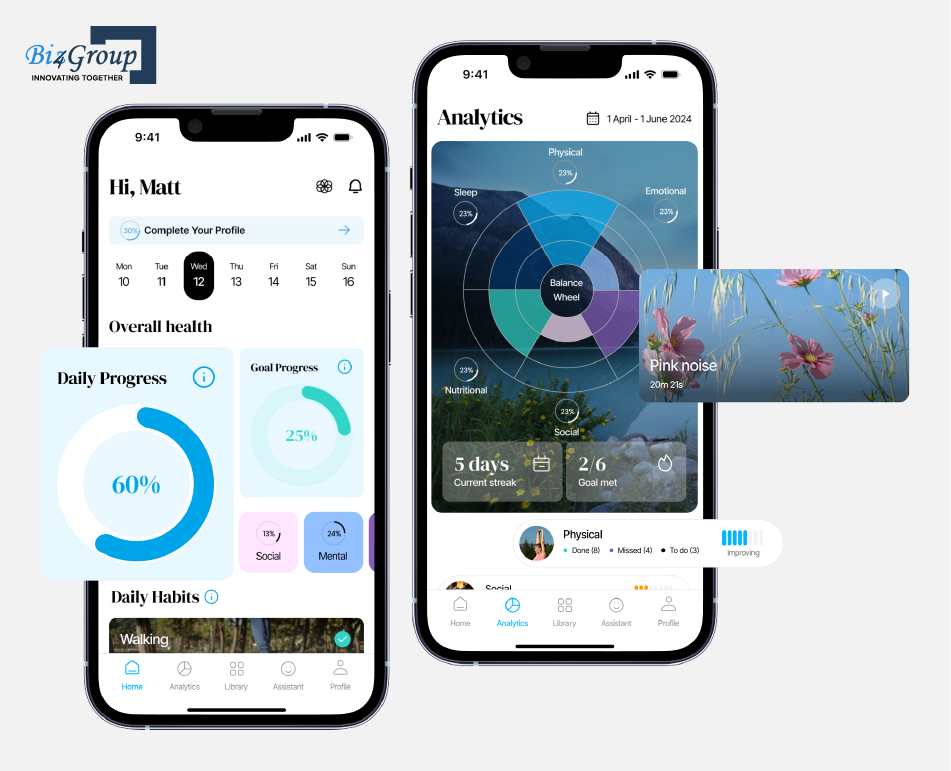
Quantum Fit was developed by Biz4Group as an AI-powered personal development platform that helps users improve physical fitness, nutrition, sleep, and lifestyle habits. The solution combined personalized goal setting, habit tracking, and AI guidance to drive stronger long-term engagement
Problems Addressed
Many wellness apps solved only one problem at a time, while users wanted a more complete and connected improvement journey.
Many users struggled with:
- Separate apps for workouts, food, sleep, and habits
- Difficulty staying consistent with long-term goals
- Generic advice that ignored personal routines
- Poor visibility into total wellness progress
Meanwhile, wellness brands needed:
- One platform for multi-service engagement
- Better retention through daily habit interaction
- Personalized user journeys across services
- Scalable coaching without high manual costs
AI Solutions Implemented
- AI Personalized Wellness Plans: The platform tailors recommendations based on user goals and preferred improvement areas.
- AI Goal Guidance: Users receive structured guidance to stay focused on fitness and self-development targets.
- AI Progress Tracking: The app monitors milestones and consistency across multiple wellness categories.
- AI Smart Recommendations: Personalized suggestions help users improve routines, habits, and daily decisions.
- AI Unified User Experience: One AI-powered platform combines multiple wellness needs instead of requiring separate apps.
How We Optimized Cost
To improve commercial efficiency, Quantum Fit was structured as a unified wellness platform rather than separate standalone solutions.
- Combining fitness, nutrition, sleep, and habits into one product helped avoid duplicate development costs.
- Shared systems and centralized management helped control ongoing maintenance expenses.
- Digital self-service experiences reduced dependence on high-touch manual support models.
- A scalable platform model supported user growth without matching increases in operating overhead.
Quantum Fit transformed fragmented wellness management into one personalized digital experience that improved user consistency, increased daily platform engagement, and strengthened long-term retention. It also stands out among fitness app AI use cases by creating a scalable business model with stronger monetization potential across multiple wellness services, positioning the platform for sustainable long-term growth.
Case Study 3: Strengthening Home Fitness Engagement with Semuto
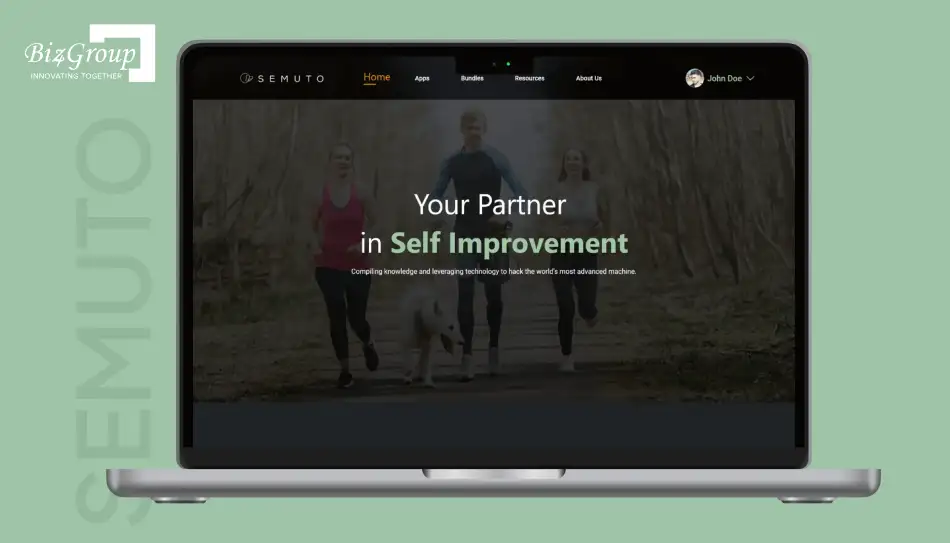
Semuto launched as a fitness-focused mobile AI platform that helped users access guided workouts, training support, and progress-driven fitness experiences from one convenient app. The solution improved workout consistency while creating stronger opportunities for user retention and scalable growth.
Problems Addressed
As more users turned to mobile fitness solutions, many still struggled to maintain consistency without structured guidance and easy access to training support. Basic workout apps often failed to keep users engaged over time.
Users often faced:
- Difficulty following regular workout routines independently
- Limited access to guided fitness support on demand
- Low consistency without progress-based motivation
- Generic workout plans that lacked personal relevance
At the same time, fitness brands needed:
- Better user retention through repeat workout engagement
- Scalable delivery of guided training experiences
- Stronger daily activity across app users
- More effective digital models for long-term growth
AI Solutions Implemented
- AI Personalized Workout Paths: Users receive training experiences aligned with their goals and activity levels.
- AI Guided Workout Access: Structured workout sessions made training easier to follow and complete.
- AI Progress Visibility: Users can track completed sessions and fitness milestones over time.
- AI Engagement Support: Smart in-app experiences encourage users to return and stay active.
- AI Scalable Coaching Model: The platform delivers guided fitness support digitally to a growing user base.
How We Optimized Cost
To improve profitability, Semuto used a digital fitness model that reduced delivery costs while supporting efficient user growth.
- App-based workout access lowered the cost of delivering guided fitness services through physical channels.
- One centralized platform helped control maintenance and day-to-day management expenses.
- AI automated user journeys reduced reliance on high-touch manual support processes.
- Growth could be supported without matching increases in operating costs
Semuto improved the user fitness experience by making guided workouts easier to access and follow through one mobile platform. It also reflects how AI improves fitness app engagement and retention case studies, where higher repeat engagement and efficient digital delivery create a stronger foundation for scalable and sustainable business growth.
Case Study 4: Driving Mindfulness Growth with Cultiv8
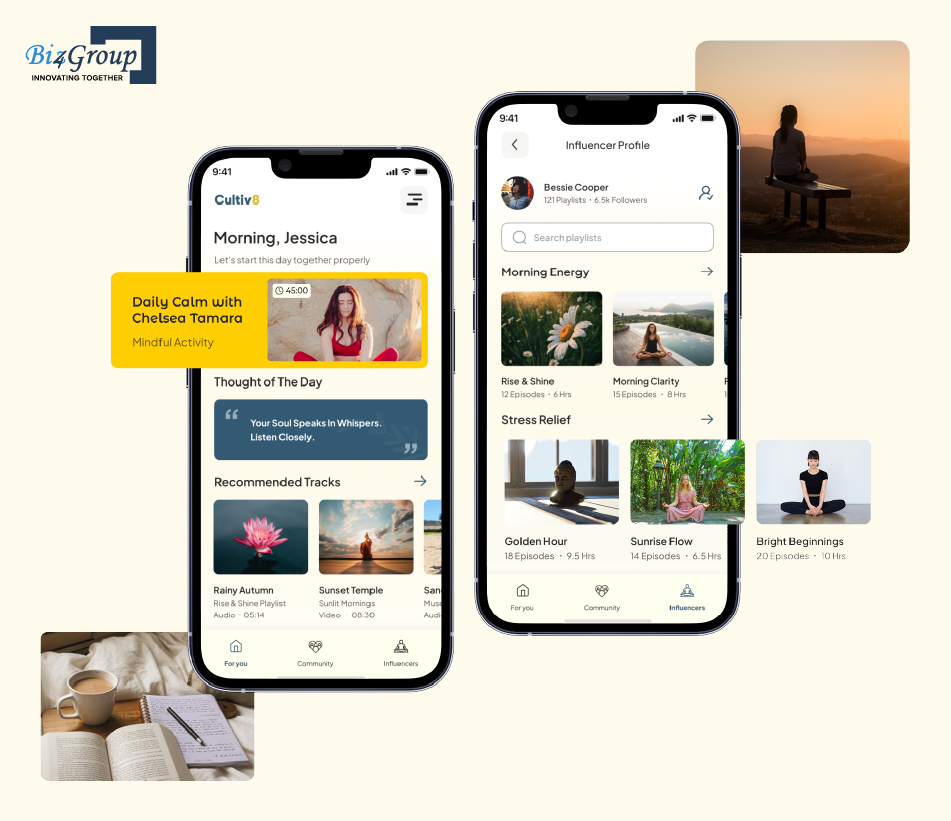
Cultiv8 was built as a digital meditation and mindfulness platform that helped users access guided wellness experiences through one convenient mobile solution. The platform improved user engagement while creating a scalable subscription-based model for long-term business growth.
Problems Addressed
As digital wellness adoption increased, users wanted easier ways to maintain mindfulness routines through guided and accessible mobile experiences. Many existing solutions struggled to keep users engaged beyond early usage stages.
Users commonly faced:
- Difficulty staying consistent with meditation habits
- Limited access to structured mindfulness guidance on demand
- Low engagement after the first few sessions
- Trouble building daily stress-management routines
On the business side, wellness platforms needed:
- Stronger subscription retention through recurring usage
- Better daily engagement across active users
- Scalable delivery of guided wellness content
- Sustainable revenue through long-term member loyalty
AI Solutions Implemented
- AI-Based Personalized Wellness Content: The platform tailors meditation and mindfulness experiences based on user interests and usage behavior.
- AI Smart Session Recommendations: Users were guided toward relevant content, improving discovery and repeat participation.
- AI Habit Formation Support: Personalized reminders and routine-driven experiences helped users stay consistent with daily wellness goals.
- AI User Progress Insights: Activity patterns help users track consistency and remain motivated over time.
- AI Scalable Digital Engagement Model: The platform delivers personalized wellness support to a growing audience without relying on manual coaching systems.
How We Optimized Cost
To improve commercial efficiency, Cultiv8 was built as a digital wellness platform that could scale user engagement without matching increases in operating costs.
- A mobile-first delivery model reduced the cost of expanding wellness access through physical channels.
- Centralized content and user management helped control ongoing platform maintenance expenses.
- Digital self-service experiences lowered dependency on high-touch support operations.
- Scalable platform growth allowed more users to be served with lower incremental delivery costs.
Cultiv8 increased the value of digital wellness delivery by making mindfulness support more accessible, consistent, and habit-driven for everyday users. It also stands out among wellness AI case studies, where higher repeat participation and stronger user loyalty improved subscription potential while giving the business a scalable path for long-term expansion.
Case Study 5: Applying Marketplace Coaching Models to Fitness Growth with Coach AI
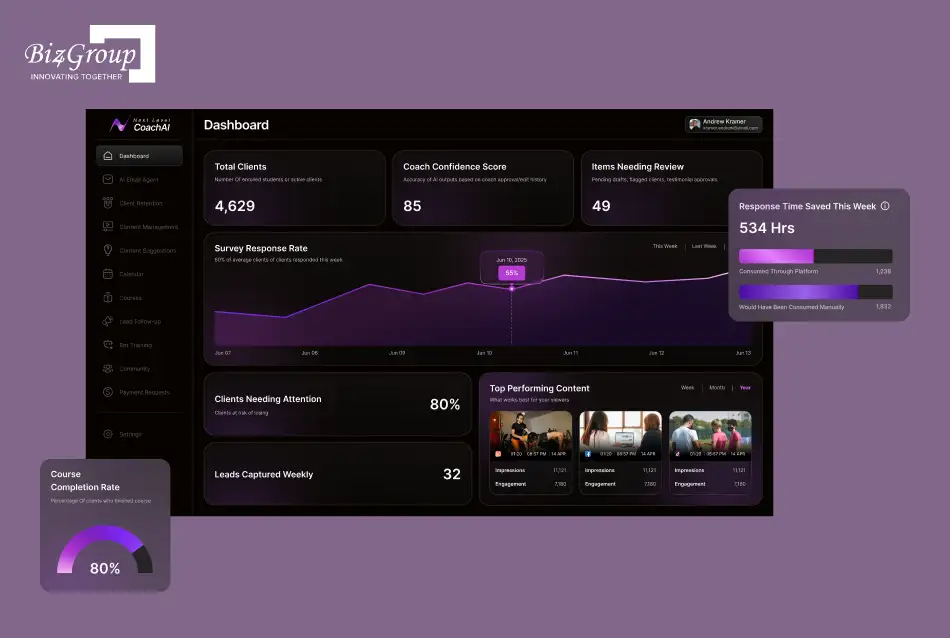
Coach AI was developed as a smart coaching AI platform that helped users connect with relevant experts through one streamlined digital experience. For fitness businesses, the model highlights how AI can improve coach matching, simplify bookings, and scale personalized coaching services online.
Problems Addressed
Many people wanted expert guidance for personal growth goals, but finding the right coach through traditional channels was often slow and inconsistent. Users needed a simpler and more personalized way to access coaching support online.
Users commonly faced:
- Difficulty identifying coaches aligned with specific goals
- Limited visibility into available coaching options
- Time-consuming manual search and selection processes
- Inconvenient access to ongoing coaching support
At the same time, digital coaching businesses needed:
- Faster coach-user matching experiences
- More efficient onboarding and session management
- Scalable delivery of personalized coaching services
- Stronger retention through better user experiences
AI Solutions Implemented
- AI Coach Matching: The platform helps pair users with coaches based on their goals and preferences.
- AI Search and Discovery: Users can identify suitable coaches faster through a smarter discovery process.
- AI Personalized Guidance Access: The system made it easier to connect users with relevant coaching support.
- AI Simplified Engagement Flow: A digital platform streamlines how users explore and start coaching services.
- AI Scalable Coaching Model: The solution supports growth by delivering personalized coaching access efficiently online.
How We Optimized Cost
To improve profitability, Coach AI was designed as a digital coaching platform that reduced coordination overhead and supported scalable service delivery.
- A centralized platform lowered the cost of managing coach discovery, user inquiries, and service coordination.
- Digital onboarding reduced time and resources required for manual user setup processes.
- Online coaching access helped control expansion costs compared with traditional location-dependent models.
- Scalable platform operations supported growth without matching increases in day-to-day operating expenses.
Coach AI improved how users accessed coaching services by combining discovery and engagement into one streamlined platform. It created a more efficient operating model for the business while supporting scalable growth as demand for digital coaching increased.
AI is now being measured by outcomes, not by hype or future potential. Fitness businesses want to know what improved retention, increased revenue, reduced costs, and scaled efficiently before making decisions. That is why AI in fitness industry case studies have become trusted benchmarks for smarter investment planning.
What Do Successful AI in Fitness Case Studies Have in Common?
Real growth in fitness does not come from adding technology for the sake of it. It comes from using the right tools to solve retention, engagement, and scalability challenges that directly affect revenue. Many businesses say, we are comparing AI fitness solutions and need case studies to evaluate which platform performs best. The strongest answer usually comes from studying what successful platforms consistently did right.
Across these examples, the same winning patterns appear repeatedly. The businesses that gained traction focused on personalization, user consistency, measurable outcomes, and efficient scale instead of unnecessary complexity.
So, what did these successful platforms consistently get right?
1. They Solved User Consistency Problems First
Most fitness and wellness users do not fail because of lack of interest. They fail because they struggle with routine consistency. The strongest AI fitness case studies focused on helping users return regularly, stay motivated, and keep progressing.
Whether it was guided workouts, mindfulness routines, or habit tracking, these platforms reduced drop-off by making daily participation easier. When consistency improves, retention usually follows.
2. They Replaced Generic Experiences with Personalization
Users quickly lose interest in one-size-fits-all programs. Every successful platform moved away from static experiences and toward personalized journeys.
That included customized workouts, tailored wellness goals, coach matching, and smarter recommendations. This is why many businesses now work with experienced AI fitness software developers who understand how personalization directly impacts growth, not just product design.
3. They Increased Engagement Through Daily Value
The strongest platforms did not rely on downloads alone. They created reasons for users to return frequently. Progress tracking, routine reminders, guided sessions, and structured next steps all helped increase recurring engagement. This pattern was visible across multiple AI fitness case studies because active users are far more valuable than passive sign-ups.
4. They Built Scalable Service Models
Traditional coaching and wellness services often grow slowly because they depend heavily on manual delivery. These case studies showed a different model. Digital coaching systems, automated recommendations, guided programs, and self-service experiences allowed each business to serve more users without matching increases in operating costs. That is where real margin improvement starts.
5. They Treated Retention as a Revenue Strategy
Acquiring users is expensive. Keeping them engaged is where profitability improves. Each successful case study used better user journeys, stronger personalization, and ongoing value delivery to reduce churn. This is especially important for subscription platforms, coaching services, and any AI fitness content creation platform that depends on recurring user participation.
6. They Combined Convenience with Measurable Progress
Users stay loyal when they can see results and access support easily. These platforms made fitness, wellness, and coaching available through mobile-first experiences while also helping users track progress over time. That combination of convenience and visible progress creates stronger trust and longer user lifecycles.
When you step back, the pattern becomes obvious. The best AI-powered fitness platforms examples did not win because they used more technology. They won because they made fitness experiences more personal, more consistent, and easier to scale into lasting business growth.
How Are Fitness Startups, Gyms, and Wellness Brands Building AI Solutions in 2026?
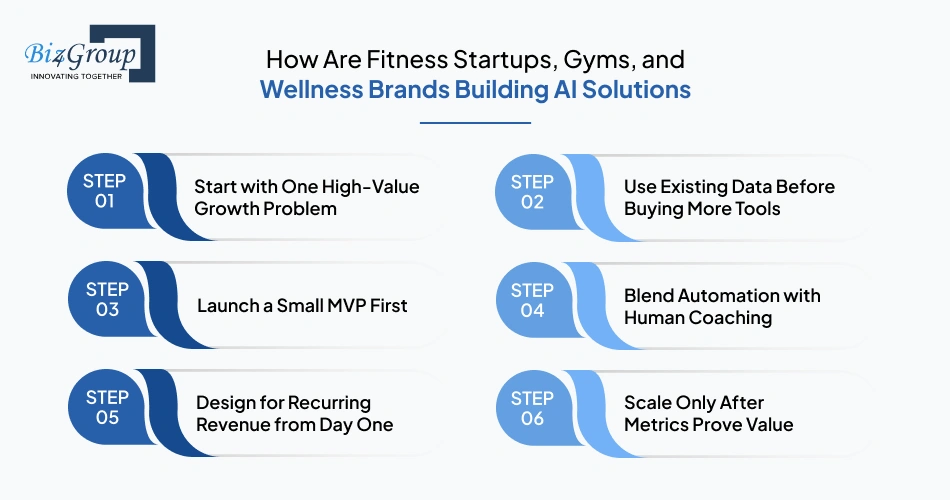
By now, the opportunity is clear. Fitness businesses can see how smarter systems improve retention, engagement, and operating efficiency. Many founders studying the top AI fitness case studies now want to know what practical rollout looks like in 2026 without wasting budget or delaying growth.
The strongest brands are not rushing into oversized launches. They are following structured steps that reduce risk, validate demand early, and create room to scale with confidence.
Here is how leading fitness teams are approaching AI adoption in 2026:
Step 1: Start with One High-Value Growth Problem
Successful teams begin with one business issue that has a measurable upside. That may be poor retention, weak onboarding, coach inefficiency, or low upsell conversion. A focused use case creates faster wins and clearer ROI. Early priorities often include:
- Personalized workout recommendations
- Churn reduction programs
- Automated onboarding journeys
- Smarter membership upsells
Step 2: Use Existing Data Before Buying More Tools
Most fitness brands already have valuable user data. Workout history, attendance trends, subscription behavior, nutrition logs, and engagement patterns can guide smarter decisions when organized properly. This is where experienced teams often use AI integration services to connect existing systems instead of replacing everything at once.
Strong early actions include:
- Cleaning user activity data
- Structuring membership and billing records
- Connecting wearable or app behavior inputs
- Creating one reliable reporting source
Step 3: Launch a Small MVP First
Instead of funding a full platform immediately, smart operators launch a focused first version through reliable MVP development services. This helps test user response, measure adoption, and refine features before larger investment decisions. Typical MVP launches include:
- AI coach chatbot for support
- Smart class recommendations
- Personalized habit reminders
- Goal-based onboarding flows
Also Read: Top MVP Development Companies in USA
Step 4: Blend Automation with Human Coaching
The best fitness experiences still feel personal. AI handles repetitive tasks while trainers and coaches focus on motivation, accountability, and premium guidance. This approach is common among AI fitness platforms that increased revenue and user growth because it improves margins without losing personal connection.
A balanced operating model often includes:
- Automated scheduling and reminders
- Trainer dashboards with user insights
- Smart follow-up prompts
- Human coaching for high-value members
Step 5: Design for Recurring Revenue from Day One
Growth becomes stronger when AI supports monetization as well as engagement. Leading brands use personalized offers and behavior-based recommendations to increase lifetime value. Many expanding companies treat this phase as part of long-term AI software building rather than a short campaign.
Common revenue levers include:
- Premium coaching upgrades
- Nutrition plan add-ons
- Personalized memberships
- Retention offers before churn happens
Step 6: Scale Only After Metrics Prove Value
The smartest operators expand only after results are visible. Once retention improves or conversions rise, they extend the system across more locations, services, or audiences. Metrics worth tracking include:
- Monthly retention rate
- Session completion rate
- Upsell conversion rate
- Cost per retained user
When you look at the pattern closely, successful adoption is rarely about speed. It is about disciplined rollout, clear priorities, and steady optimization. That is how fitness brands turn experiments into real-world AI fitness success stories and business impact.
How Can Biz4Group LLC Help You Turn AI Fitness Opportunities into Measurable Business Growth?
By now, you have seen how the top AI fitness case studies translate into stronger retention, better engagement, and scalable revenue models. The next step is applying those lessons inside your own business with a roadmap that fits your goals, budget, and current growth stage.
That is usually the point where many fitness founders, gym operators, and wellness brands pause. They understand the opportunity, but they need the right execution partner, proven experience, and confidence that investment decisions will lead to measurable results.
At this stage, fitness businesses often ask:
- we are looking for companies that provide AI solutions for fitness apps and want to see real case studies before choosing a vendor
- I want to find AI companies that have worked with fitness businesses and delivered measurable ROI and growth results
- we are searching for companies that can help us implement AI in our fitness platform and need proven success stories
- I am looking for AI development companies specializing in fitness and wellness industry with real-world case studies
- we want to find companies that build AI fitness solutions and show evidence of improved user engagement and revenue
These are practical business questions, not casual research. They usually come up when leadership teams are preparing budgets, validating demand, or planning digital expansion.
That is where Biz4Group LLC brings value. As an AI fitness software development company in USA, the team has experience turning product ideas into working solutions built around measurable outcomes rather than trend-driven features.
From personalized workout systems to coaching marketplaces and wellness platforms, we have worked on products aligned with real AI personal training case studies and user engagement goals. The focus stays on retention, monetization, operational efficiency, and user experience.
Many fitness brands also need guidance before writing code. Through our AI consulting services we help define use cases, prioritize MVP scope, validate costs, and reduce expensive implementation mistakes early.
For growing operators and multi-location brands, our enterprise AI solutions support member journeys, automate support flows, personalize offers, and improve decision-making through cleaner operational data.
Success with AI in fitness is rarely about adding more features or following market noise. It comes from solving the right business problem with solutions that users actually adopt. With Biz4Group LLC as the right execution partner, fitness brands can turn AI opportunities into measurable and sustainable growth.
Growth Needs Better Execution
Turn smart ideas into measurable revenue with expert guidance
Let's Build ResultsFinal Thoughts
The real opportunity in fitness AI is not simply using new technology. It is knowing where it creates measurable value and where it does not. The businesses gaining momentum are the ones using proof, timing, and clear execution to guide decisions.
That is why top AI fitness case studies matter so much right now. They help founders, gyms, and wellness brands move forward with stronger confidence, better budgeting decisions, and realistic growth expectations. The same applies when reviewing gym AI automation case studies that show how efficiency improvements can support profitability.
If your next priority is retention, personalization, or scalable revenue growth, the smartest move is starting with one meaningful use case and executing it well. With the right strategy and experienced AI product development services from Biz4Group LLC, AI can become a practical growth asset rather than an expensive experiment.
FAQ's
1. How can top AI fitness case studies help founders choose the right product roadmap?
Top AI fitness case studies show which features created measurable business value instead of surface-level engagement. Founders can study whether personalization, coaching automation, retention systems, or upsell flows produced better outcomes before committing budgets.
2. What metrics should I compare when reviewing AI fitness case studies?
Look beyond downloads. Strong case studies usually reveal improvements in retention rate, session completion, subscription renewals, customer acquisition efficiency, average revenue per user, and coaching cost reduction. These metrics are more useful for decision-making than vanity growth numbers.
3. Are top AI fitness case studies more useful for startups or established fitness brands?
They are valuable for both. Startups use them to avoid expensive trial-and-error decisions, while established brands use them to validate expansion plans, reduce churn, or modernize existing member experiences with lower risk.
4. How do I know if an AI fitness case study is credible or just marketing content?
Credible case studies usually explain the original business problem, the solution implemented, rollout approach, measurable outcomes, and commercial impact. If the content only lists features without business context, it is less useful for serious evaluation.
5. Can gym owners benefit from top AI fitness case studies even without launching an app?
Yes. Many insights apply beyond apps. Gym owners can use case study learnings for lead nurturing, member retention, personalized offers, automated support, class recommendations, and operational efficiency across physical locations.
6. Why are investors and operators paying more attention to top AI fitness case studies in 2026?
Because they reduce uncertainty. Investors and operators want proof that AI can improve margins, retention, and scalable growth before funding new initiatives. Case studies offer evidence that helps justify smarter investment decisions.
