Imagine a digital system that doesn’t wait for instructions but instead, understands your business goals, learns from real-time feedback, and takes independent actions to get the job done.
Read More
Managing multiple departments, specialties, and patient touchpoints in a single hospital system is complex, and most existing portals were never built to handle that level of coordination.
Read MoreWhat happens when your AI-powered healthcare platform handles sensitive patient data but fails to protect it properly?
Read MoreArtificial Intelligence
Real Estate
Healthcare
Mental Health
Legal
Chatbot Development
Generative AI Development
Enterprise Solutions
Sports Betting Solutions
Human Resources
iGaming
Mobile Application Development
Software Development
eCommerce
Web Development
AI News
Internet Of Things
IoT Application Development
Full Stack Development
Knowledge Hub
On Demand Application
Digital Marketing
Infographics
Press Release
Awards & Recognition
Stay Up to Date With the Latest Technologies
Healthcare teams today deal with growing patient data, complex workflows, and constant pressure to improve outcomes.
Read MoreThe cost to develop an AI EHR software usually ranges between $30,000 and $300,000. The final cost depends on how complex the system
Read MorePatient portals are used for communication, scheduling, and accessing medical records, but many still depend on manual processes.
Read MoreHealthcare organizations are adopting systems that can manage patient interaction, data access, and daily workflows more efficiently.
Read MoreHealthcare is moving from treating illness to preventing it. This shift requires systems that can track patient data continuously, identify risks early, and act at the right time.
Read MoreWhat if a critical diagnosis is delayed simply because there are not enough radiologists to review thousands of scans in time?
Read MoreIf you are running a hospital or clinic, this probably feels familiar. And if you are planning to develop an AI medical coding automation system, you are likely already questioning how long your current process can keep up.
Read MoreHealthcare systems often run on multiple disconnected tools. Patient data lives in different systems, formats, and workflows, which makes it hard to access or use in real time.
Read MoreThe AI patient SaaS platform development cost typically ranges from $40,000 to $250,000+, depending on features, AI capabilities, and integrations. Learn what drives your actual investment.
Read MoreHave you ever wondered why hospitals collect enormous amounts of patient data but still struggle to use it during actual patient care?
Read MoreIf your healthcare business still relies on spreadsheets for billing, it’s probably time for a reality check. The world has moved on, and the ones still wrestling with manual claim submissions
Read MoreWhy are so many hospitals suddenly investing in smarter patient portals? Simple answer, because the traditional ones are no longer enough.
Read MoreWhat if your clinic could handle patient calls, schedule appointments, and respond to routine patient questions without expanding your front desk team?
Read MoreYou are not looking for a generic estimate. You need numbers you can take to your board, investors, or leadership team with confidence.
Read MoreAre you feeling the pressure to keep your research teams productive without increasing budgets? You’re not alone. In 2025, 85% of healthcare organizations reported moderate or high ROI from integrating advanced AI tools into workflows.
Read MoreThat shift is why AI predictive diagnosis and disease forecasting software development is gaining serious momentum across healthcare systems.
Read MorePatients expect faster answers, clinicians want tools that reduce manual work and healthcare leaders like you need systems that scale without adding operational complexity.
Read MorePatient portals are now common in healthcare, but many of them still work as simple access points for reports, appointments, and messages.
Read MoreHave you felt like compliance is always one step ahead of you? No matter how many policies, spreadsheets, or internal audits you run, something new surfaces every quarter.
Read MoreHave you ever wondered why your patients still call your front desk even though you have online forms and portals in place? The reality is simple.
Read MoreThe global healthcare chatbot market reached $1.98 billion, with North America accounting for nearly 45% of total adoption, showing how quickly US healthcare organizations are moving toward conversational AI.
Read MoreLet us start with a question you have probably asked yourself more than once - Why does running a healthcare practice feel more complicated every year, even when you are investing in new tools?
Read MoreFeeling overwhelmed, burned out, or stuck in a cycle of stress has become far more common than most businesses realize. According to the World Health Organization,
Read MoreAre you trying to figure out what it actually takes to plan a realistic medical diagnosis AI website development cost in today’s healthcare market?
Read MoreHave you ever wondered how much better patient engagement and care delivery could be if healthcare systems could provide real-time, personalized interactions without adding to staff workload?
Read MoreHave you noticed how long patients wait just to check in? Or how stretched your front desk teams feel during peak hours? If this feels familiar, you are not alone.
Read MoreOpen your calendar from five years ago and compare it to today. In person appointments were once the default. Now virtual visits quietly fill schedules across devices, time zones, and specialties.
Read MoreWhen teams start exploring the idea of building a ZocDoc style healthcare appointment platform, the conversation turns practical very quickly.
Read MoreHave you ever wondered why asthma care still feels reactive, waiting for flare-ups instead of preventing them? What if your care teams could see patterns before symptoms spiral out of control?
Read MoreHave you ever watched your clinical staff shuffle between screens, typing the same patient details over and over, while the day slips away? You are not alone.
Read MoreHealthcare organizations in the United States are transforming fast. In fact, by 2025, 80% of US hospitals reported using artificial intelligence to improve care and operations.
Read MorePicture a Monday morning at a busy hospital or clinic. Patients arrive early, front desks are overloaded, and waiting rooms start filling up fast.
Read MoreIf you’ve ever tried to build a fitness product that sticks with users, you know that tracking calories isn’t just a feature; it’s a core habit maker.
Read MoreHave you ever wondered why a patient’s cry for help still gets lost in the shuffle despite all the technology in hospitals today?
Read MoreAI in healthcare usually stops being exciting right around the time someone asks for numbers. The idea makes sense, the use cases sound solid
Read MoreThe biggest challenge in modern fitness isn’t awareness; it’s staying relevant in people’s daily routines. That realization is what pushes many decision-makers to explore building a workout app like Yoga-Go,
Read MoreHealthcare leaders have faced years of heavy promises about artificial intelligence. Many AI projects failed to deliver real operational results.
Read MoreLet’s be honest. If you are building a product in chronic care today, you cannot afford to spend years developing a full-scale platform only to discover later that users are not engaging or providers are not adopting it.
Read MoreAcross boardrooms and budget meetings, conversations about healthcare AI trends are no longer speculative. They are practical, urgent, and tied directly to margins, staffing, and patient expectations.
Read MoreHealthcare conversations are happening all day long, but much of that valuable information still ends up as delayed notes, incomplete records, or extra work after clinic hours.
Read MoreLabs do not usually struggle with science. They struggle when samples increase, data spreads across tools, and teams lose visibility into what is happening where.
Read MoreMany healthcare leaders juggle manual tasks, scheduling chaos, and piles of administrative work instead of focusing on patient care. It is no surprise that 57% of healthcare organizations
Read MoreIf you’ve spent more than a few weeks running a gym or fitness studio, you know how easy it is to get weighed down by scheduling, billing
Read MoreImagine walking into your hospital on a Monday morning and realizing that half your staff still complete training with paper binders and classroom slides from 2018.
Read MoreYou are probably hearing the same thing again and again from clinical teams. Coordination takes too long. Getting a second opinion feels harder than it should.
Read MoreHospitals and healthcare organizations are generating more data than ever, yet many leadership teams still rely on delayed reports and fragmented dashboards to make critical decisions.
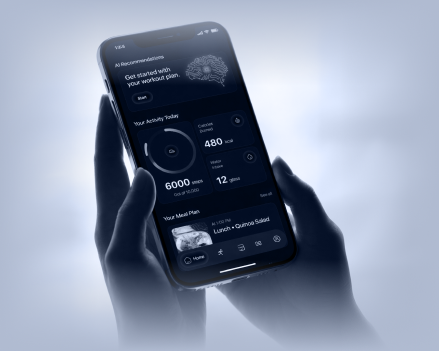
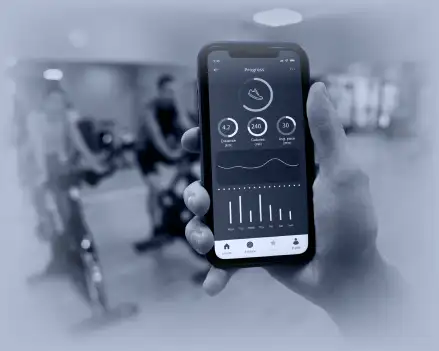
Read MoreWe recently worked on the AI Workout App; a cutting-edge AI-powered fitness app designed to help users achieve their best fitness goals with personalized guidance.
Read MoreWhen organizations like Mayo Clinic invest heavily in automation, advanced analytics, and integrated digital systems, it sends a clear signal.
Read MoreA large portion of the U.S. population lives with chronic conditions that require ongoing care and coordination. Nearly 60% of American adults have at least one major chronic disease
Read MoreHave you ever clicked on a medical practice’s website and felt unsure whether you should trust the information there? For patients, a healthcare website often acts as the first point of contact with a provider.
Read MoreNearly one in five respondents (17%) said their insurance plan has denied coverage for a doctor-recommended medical service or procedure according to a recent report by the Commonwealth Fund.

Read MoreYou already know diabetes is a major health challenge. But here’s what might really get your attention if you are building or investing in digital health technologies right now.
Read MoreIn 2025, over 60 percent of U.S. hospitals still rely on at least one mission critical legacy system that lacks modern interoperability and cloud readiness.
Read MoreHave you noticed how vitamins, protein blends, immunity boosters, and wellness supplements are no longer bought occasionally but reordered month after month online?
Read MoreHave you ever realized how much of a doctor’s day is actually spent caring for patients?
Read MoreYou walk into the office and the first thing on your mind is claims backlog, coding denials, and how to ease pressure on your team without expanding headcount.
Read MoreRunning a medical spa is no small feat. Between managing appointments, fielding calls, and ensuring your clients receive top-notch service, the front desk can quickly become overwhelmed.
Read MoreEvery product leader eventually reaches this moment. Growth is steady, users are active, but engagement still feels transactional. You start wondering what would happen if fitness data turned into conversations, competition, and community.
Read MoreEvery healthcare organization eventually hits the same uncomfortable moment. Revenue looks healthy on paper, but cash flow tells a different story.
Read MoreBe honest, how much time does your team spend just trying to get schedules right?
Read MorePlanning AI health management app development like Noom? Explore features, AI tech stack, pricing, and strategies to build a scalable wellness app.
Read MoreHave you ever wondered why the cost of building an AI wellness app can vary so widely from one project to another? As businesses rush to meet the growing demand for personalized health and wellness solutions,
Read MoreYou may already be exploring AI telehealth chatbot PoC development, but the hesitation is real. Building the wrong solution or moving too fast can cost far more than waiting.
Read MoreThe waiting room is packed. Nurses are stretched thin. Patients expect answers now, not tomorrow. If you are leading a healthcare product or digital initiative
Read MoreDigital care is growing rapidly. McKinsey reported that telehealth adoption surged to nearly 38 times its pre-pandemic levels during the industry's digital pivot,
Read MoreMental health care is under pressure to evolve. Clinics are overwhelmed, patients expect more engaging experiences, and traditional tools often fall short
Read MoreMonday starts with a full slate of shifts, and by noon the schedule is already off track. A nurse calls out, assignments overlap, and compliance checks are scattered across systems.
Read MoreEver walked into peak allergy season and felt your entire clinic shift into survival mode? Patients show up with the same symptoms but completely different triggers
Read MoreBuilding an AI healthcare product today often starts with momentum and quickly runs into math. Product vision meets compliance, machine learning meets infrastructure,
Read MoreThe healthcare market is moving quickly. Many founders feel this pressure, especially when they see new products launching every month.
Read MoreJuggling a prescription because insurance rejected it or a pharmacy flagged a dosage issue is the type of friction that still shows up in far too many clinics.
Read MoreHave you felt your clinic getting busier every month? More appointments, more paperwork, more tired staff, and somehow the same number of hours in a day.
Read Moreyou’re in a boardroom, sketching a roadmap for your healthcare startup’s next big move and someone pipes up: “What if we build AI software for medical devices?”
Read MoreOutsourcing AI healthcare software development might sound straightforward at first, but once you dive in, the complexities become apparent.
Read MoreThat means out of every four seniors you know, at least one is likely to fall, and many of those incidents lead to injuries or long-term complications.
Read Morethe front desk is closed, the voicemail light is blinking like it is training for a marathon, and patients are still calling to book tomorrow’s appointments.
Read Morethe start of a typical day at your pharmacy. Orders waiting to be filled. Patients calling for refills. A technician scrolling through outdated inventory numbers. Someone trying to resolve an insurance claim that failed again.
Read MoreIf you are building health or fitness software right now, you already know how fast things are changing. Users want more than step tracking or simple workout logging.
Read MoreMany mental health providers are noticing something interesting. According to the World Health Organization, 1 in every 7 people lives with a mental health condition.
Read MoreIf you’re running a hospital, clinic, urgent care, or telehealth network, you already know the pressure that comes with juggling unpredictable patient volumes, frustrated callers, and staff burnout.
Read MoreYou have probably seen how quickly the fitness space is changing. People want more than simple tracking tools now.
Read MoreHave you noticed how quickly wellness products are shifting toward personalization and guided support? If you are leading a wellness brand
Read MoreSomewhere between your tenth workout clip upload and your fiftieth manual edit, a thought hits you: Hyperhuman does all this automatically, so why can’t you?
Read MoreMany healthcare leaders are feeling the pressure to move faster than ever. Virtual care is growing at a pace that leaves old systems behind,
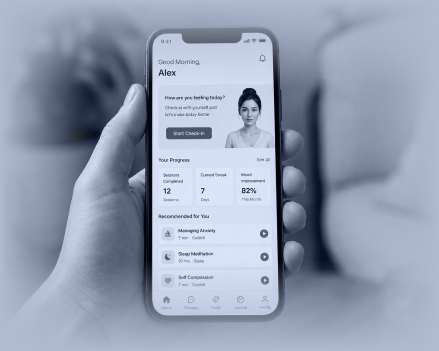
Read MoreIf you are planning to build an AI therapeutic app, you might be wondering where to start. You may already know that people are looking for faster,
Read MoreImagine your busiest morning. Patients waiting at the front desk. Phone lines already full.
Read MoreMost wellness brands are racing to launch something powered by AI, yet many still miss one of the biggest opportunities in front of them.
Read MoreYour fitness brand is growing fast, your digital platform is gaining traction, yet something still feels missing.
Read MoreEvery brand wants to be the trusted guide for people who are tired of confusing supplement shelves and information overload.
Read MoreYou are sitting in your pharmacy office, looking at yet another pile of refill requests, insurance checks, prior auths, and inventory alerts, wondering if there is a smarter way to run this whole operation.
Read MoreThe idea to develop an AI automation system for clinics feels less like an upgrade and more like a smart strategic move now.
Read MoreMany founders, CTOs and leaders at a healthcare organization in the U.S. often find themselves staring at overflowing patient queues,
Read MoreHealthcare organizations are moving quickly toward digital medication support because falling behind can be costly.
Read MoreIn today’s fast-moving healthcare world, the pressure is on. Many organizations are beginning to develop an AI avatar for clinical
Read MoreBusiness leaders in fitness and wellness are having the same conversation these days. They are watching AI reshape training, coaching and corporate wellness,
Read MoreImagine waking up at 2 a.m. with a strange chest discomfort. Instead of spiraling through Google searches or waiting for a doctor’s office to open, you open your AI-powered health assistant
Read MoreThese intelligent digital assistants are showing up in hospitals, private practices, and telehealth platforms — not as gimmicks, but as serious productivity boosters.
Read MoreForgetfulness is human — but in healthcare, it can be costly. Millions of people around the world miss doses of critical medication every day.
Read MoreHealthcare is undergoing a digital transformation, with technology playing a pivotal role in elevating patient care and streamlining operations.
Read MoreIn 2025, mental health is no longer a niche concern — it’s a global priority. Digital tools are filling the gap between traditional therapy and everyday emotional support.
Read MoreArtificial intelligence has made a solid entrance into healthcare. And one of its most impressive roles? Medical diagnostics.
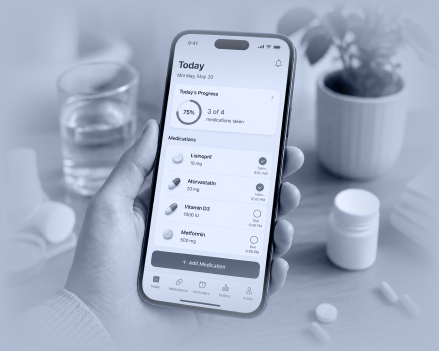
Read MoreIt’s more like—here’s what it actually takes to build something smart, useful, and maybe even a little life-changing: an AI-powered medication assistant app.
Read MoreThough you're interested now in developing AI-powered psychotherapy training app for aspiring therapists.
Read MoreManual data entry has long been a pain point in healthcare administration, consuming valuable time and resources while increasing the risk of human errors.
Read MoreOur website require some cookies to function properly. Read our privacy policy to know more.