 Location :
Orlando, FL, USA
Location :
Orlando, FL, USA +1 (407) 714-1616
 info@biz4group.com
Developing a Daily Companion App for Dementia Patients and Their Caregivers
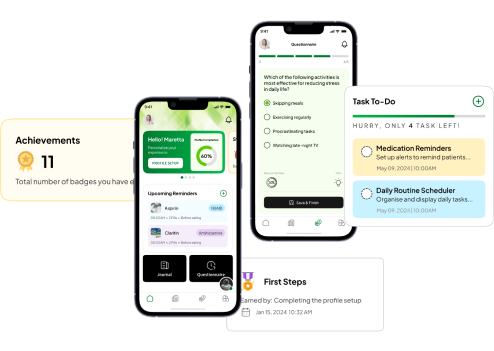
CogniHelp gives early to mid stage dementia patients daily structure through guided journaling, memory quizzes, and gentle reminders, while an AI companion tracks emotional and behavioral patterns caregivers can actually use. Biz4Group built the platform to feel like support, not surveillance.
See what Biz4Group can do for you.
See CogniHelp in Action
Here's a closer look at the application. Scroll sideways to browse.
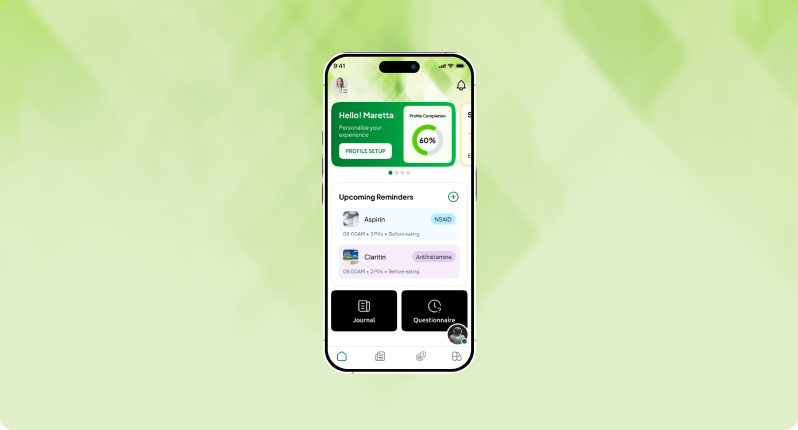
Home Dashboard
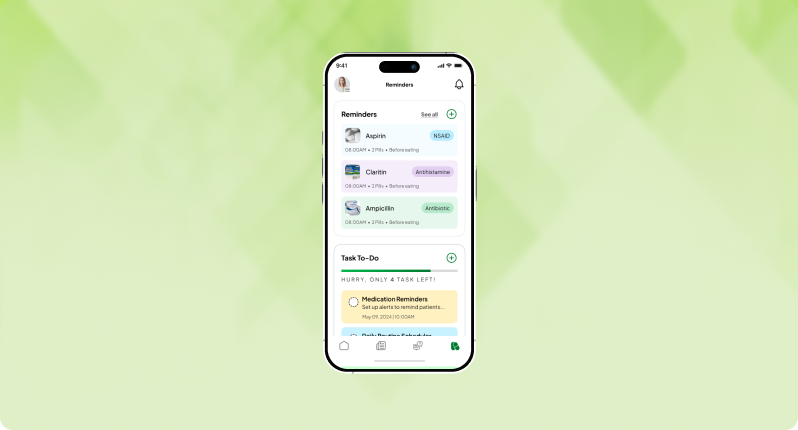
Medication Reminders
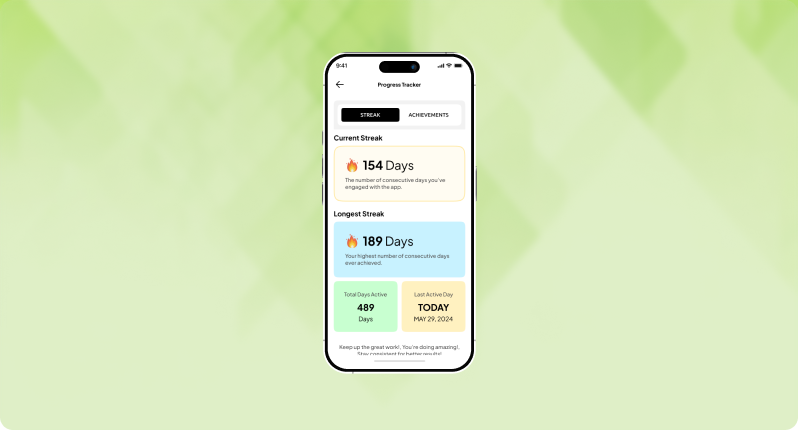
Progress Streak Tracker
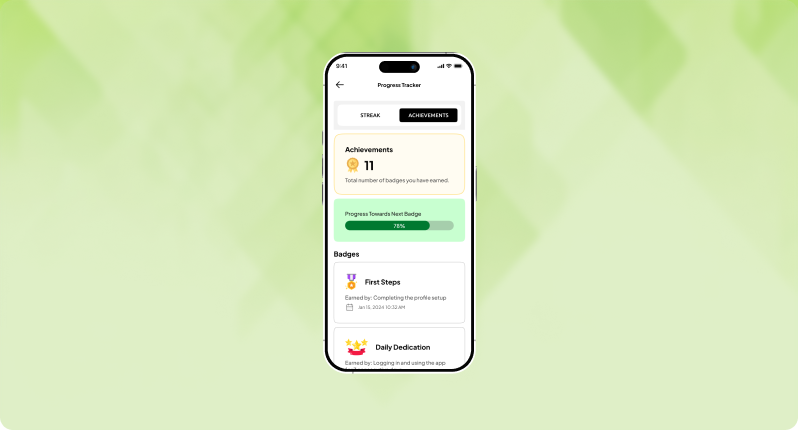
Achievements Screen
Challenges That Shaped CogniHelp
Every challenge here traces back to one thing, a dementia patient's memory is exactly the thing the app depends on to work.
Collecting Reliable Data from Patients with Memory Gaps
Journaling and quizzes depend on patients accurately recalling their day, but memory lapses are the exact condition the app was built around. A skipped entry or a confused answer had to be treated as normal.
Keeping Patients Engaged Once the Novelty Wore Off
The first week of using a new app is easy. Getting a patient to still open it a month later, once it stopped feeling new, was a different problem entirely, and reminders alone weren't going to be enough to carry that.
Avoiding False Alarms in Behavioral Pattern Monitoring
Day to day scores naturally fluctuate, a bad night's sleep can look like a concerning shift on paper. Flagging every dip as a concern would have worn caregivers down fast and made them tune out the alerts that actually mattered.
Making the App Usable for Patients with Limited Tech Comfort
Many patients using CogniHelp weren't confident with smartphones even before their diagnosis. An interface that felt intuitive to a caregiver in their thirties could easily feel intimidating to the person it was actually built for.
How We Solved What Mattered Most
All these fixes were about designing around a condition instead of designing despite it.
Designed the System to Expect Imperfect Input
One incomplete journal entry doesn't mean much on its own. So instead of reacting to any single report, the app looks at patterns across several days. A bad day for a patient no longer throws off what caregivers see.
Made the Daily Routine Feel Like a Win
Quizzes and journaling prompts were kept short and achievable on purpose. Streaks and small moments of encouragement gave patients something to look forward to. Small wins get them to come back tomorrow.
Taught the Alerts to Ignore Normal Noise
We spent real time tuning the monitoring thresholds until the app could tell ordinary variation apart from something actually worth flagging. Once that was dialed in, caregivers stopped second guessing every notification.
Put the Patient at the Center of the Interface, Not the Caregiver
Large touch targets. Voice to text journaling. A navigation flow stripped down to almost nothing. All of it built around what a patient could manage on their own, with the caregiver tools tucked into their own separate, uncluttered view.
Curious how CogniHelp works under the hood?
Head to our portfolio page for a closer look at the behavioral pattern engine, the AI companion, and how the platform was architected.
The Results
Patients kept coming back, the alerts actually meant something, and less of it needed a caregiver's help.
64%
Daily Journaling Sustained
64% of patients continued daily journaling beyond the first month, well past the point where most habit-based apps typically see steep drop-off.
41%
Fewer Unnecessary Check-Ins
Calibrated alert thresholds cut unnecessary caregiver check-ins by 41%, reducing false alarms triggered by normal day-to-day variation.
58%
Independent Quiz Completion
58% of patients completed their daily quiz without caregiver assistance, a meaningful jump from how many needed help at launch.
The Technology Behind CogniHelp
CogniHelp runs on a cross-platform mobile stack paired with AI language processing, built to feel simple for patients while staying secure and scalable behind the scenes.
Ionic + React
Delivered a consistent, accessible experience across iOS and Android, letting patients use the app on whichever device they were already comfortable with.
FastAPI
Handled backend processing for patient profiles, journal entries, and daily assessments, keeping the app responsive as usage and data grew.
GPT-4
Powered the AI companion's ability to pick up on emotional cues in conversation and respond in a way that felt supportive rather than clinical.
PostgreSQL
Stored patient records, journal history, and tracking data securely, built to scale as more patients and caregivers came onto the platform.
What It's Like to Build with Biz4Group
Hear from the technology leaders and founders who trust our engineering teams day in and day out.
Biz4Group's AI development team has been outstanding. Their excellent communication, timely delivery, innovative solutions, and genuine commitment to our project have made a significant impact. I highly recommend Biz4Group for any tech development needs.

Dr. Tiffinee Yancey
CEO, NextLPC
Biz4Group is incredibly knowledgeable, not just technically, but in understanding the vision and complexity of our product. They made a complex development process feel organized, structured, and efficient. I highly recommend Biz4Group to anyone looking for a development partner who truly is an extension of your own team.

Chris Guiher
Founder, ClaimLynk