Location :
Orlando, FL, USA
Location :
Orlando, FL, USA +1 (407) 714-1616
 info@biz4group.com


















Imagine a digital system that doesn’t wait for instructions but instead, understands your business goals, learns from real-time feedback, and takes independent actions to get the job done.
Read More

Have you ever wondered why online fashion brands spend so much time and money trying to get the perfect product image yet still struggle with conversions?
Many ecommerce stores invest heavily in visuals yet see below-average results. Research shows high-definition images and videos have a huge impact on buyer decisions, with 67% of customers saying visuals influence their purchase more than product descriptions.
This is where AI fashion model generator platform development enters the picture. For growing fashion brands, relying on traditional photoshoots can slow down catalog releases, increase production costs, and make it harder to adapt visuals for personalized experiences.
With an intelligent platform, you can create visuals at scale without sacrificing quality and pace.
When brands choose to develop AI fashion model generator platform, they unlock the ability to generate consistent and realistic product visuals instantly. This capability is a business advantage that helps fashion ecommerce teams accelerate campaigns, reduce dependency on external studios, and maintain visual consistency.
For ecommerce leaders thinking about AI fashion model generation platform development, now may be the ideal time to start. Consumer expectations are rising as online catalog sizes grow. Brands that lead with smarter visual strategies stand to increase engagement and convert more visitors into buyers.
Before discussing features, costs, or scalability, it helps to understand what this platform actually does and why it differs from the AI tools many brands already experiment with.
AI fashion model generator platform development refers to building a centralized system that allows fashion ecommerce brands to generate realistic model images wearing apparel without organizing photoshoots.
These platforms work directly with product images and transform them into studio-quality visuals that are ready for websites, marketplaces, and ads.
This difference matters more than most teams expect.
| Aspect | AI Tool | AI Fashion Model Generator Platform |
|---|---|---|
|
Scope |
Single function |
End-to-end visual pipeline |
|
Scalability |
Limited |
Designed for large catalogs |
|
Integrations |
Minimal |
Ecommerce, PIM, DAM, ads |
|
Customization |
Fixed presets |
Brand-specific control |
|
Ownership |
Vendor dependent |
Full product ownership |
A tool helps experiment. A platform helps scale visual commerce.
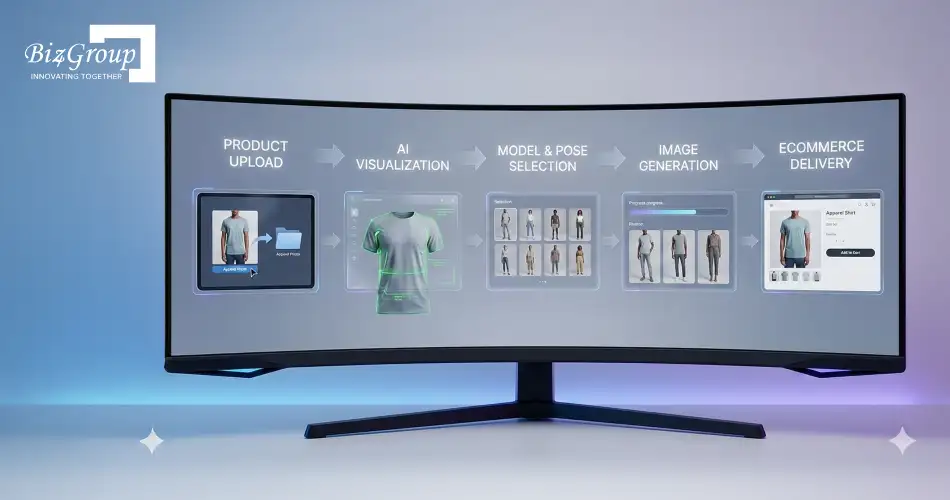
When businesses develop AI fashion model generator platform, the system usually follows a structured workflow.
This workflow integrates smoothly with modern practices and fits well within existing web development services stacks used by fashion brands.
Fashion teams deal with frequent launches, seasonal collections, and regional campaigns. Platforms support:
As part of the broader shift toward AI in fashion, these platforms are becoming a foundation rather than an experiment.
In short, AI fashion model generator platforms turn visual production into a repeatable, scalable operation. This clarity sets the stage for understanding why so many brands are choosing to build now.
Brands using centralized visual platforms launch catalogs up to 3x faster than teams relying on manual workflows.
Build Smart with Biz4GroupOnline fashion retail is changing fast.
Shoppers expect better visuals.
They expect them instantly. And they expect them tailored to their preferences.
According to reports, a full 76% of shoppers prefer model photos for purchase decisions. That means visuals can make or break a sale.
In this environment, custom AI fashion model generator development can transform how fashion brands work.
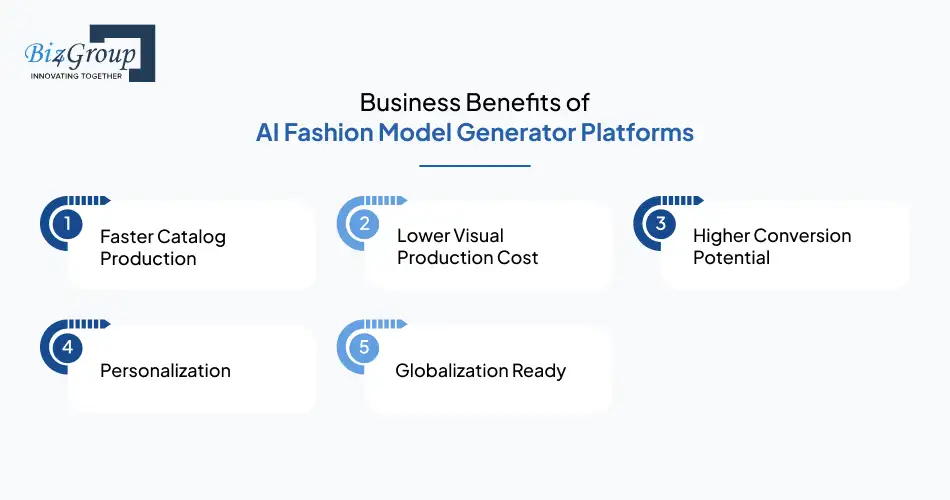
Here is how fashion ecommerce teams benefit when they invest in this technology:
| Benefit | What It Means for Your Business |
|---|---|
|
Faster Catalog Production |
Visuals ready in hours instead of weeks |
|
Lower Visual Production Cost |
Reduced dependency on external photoshoots |
|
Higher Conversion Potential |
Better quality visuals lead to better engagement |
|
Personalization |
Tailored visuals for specific customer segments |
|
Globalization Ready |
Localize visuals with diverse models |
These advantages apply whether you run a standalone fashion brand, a multi-vendor marketplace, or an online store with international reach.
To win in a competitive market, leaders need to rethink visual workflows. Investing in platforms that generate fashion visuals at scale helps teams deliver quality while staying nimble.
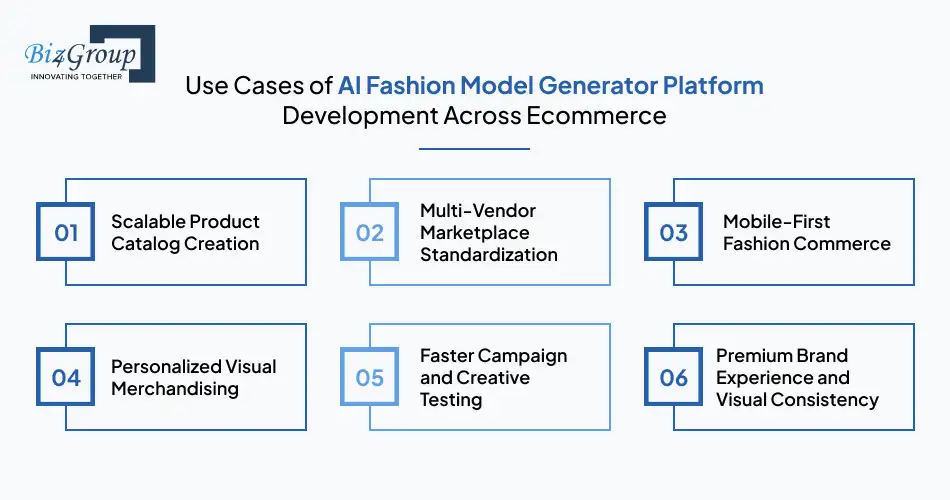
AI fashion visuals solve practical problems that ecommerce teams face every day. When brands create AI fashion model tool for ecommerce brands, the value shows up across operations, marketing, and growth initiatives.
Below are the most impactful use cases where this platform delivers measurable results.
Fashion brands often launch hundreds or thousands of SKUs every season. AI fashion model generator platform development enables teams to produce consistent product visuals without slowing down launch timelines. New collections go live faster, and visual quality remains uniform across categories and collections.
Marketplaces struggle with inconsistent seller images. By choosing to build AI powered fashion model generator, platforms can enforce visual standards across vendors while giving sellers flexibility. This improves trust and keeps listings visually aligned.
Brands building or scaling marketplaces often complement this with an AI marketplace app strategy to manage vendors, visuals, and buyer experience from a single system.
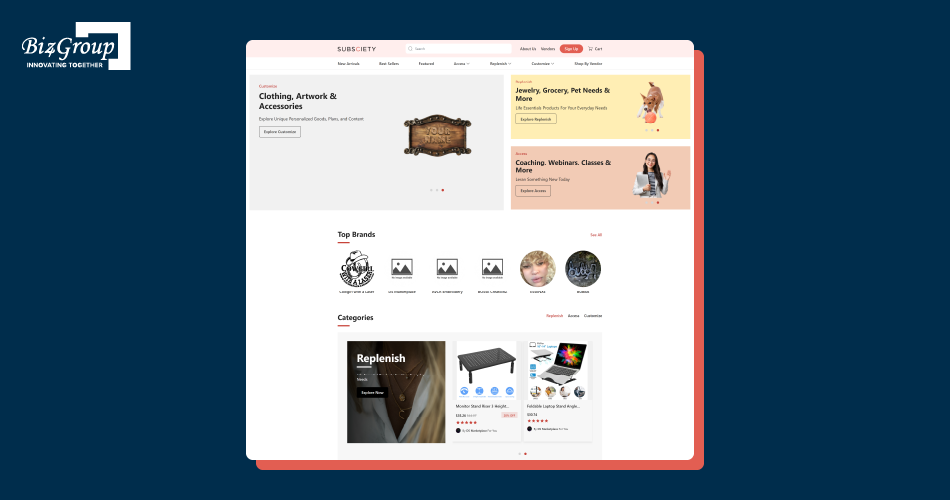
Biz4Group delivered a subscription-based multi-vendor ecommerce marketplace that focused on scalability and seller experience.
This foundation fits seamlessly with AI fashion model generator solutions for ecommerce brands looking to standardize visuals across sellers.
Mobile shoppers expect clean visuals, fast load times, and intuitive browsing. AI-generated fashion models help mobile apps maintain high-quality visuals without heavy assets. Brands that develop AI fashion model generator solutions for scalable ecommerce can optimize visuals specifically for mobile users.
This approach pairs well with intelligent features often found in an AI fashion assistant app, where visuals and recommendations work together to improve engagement.
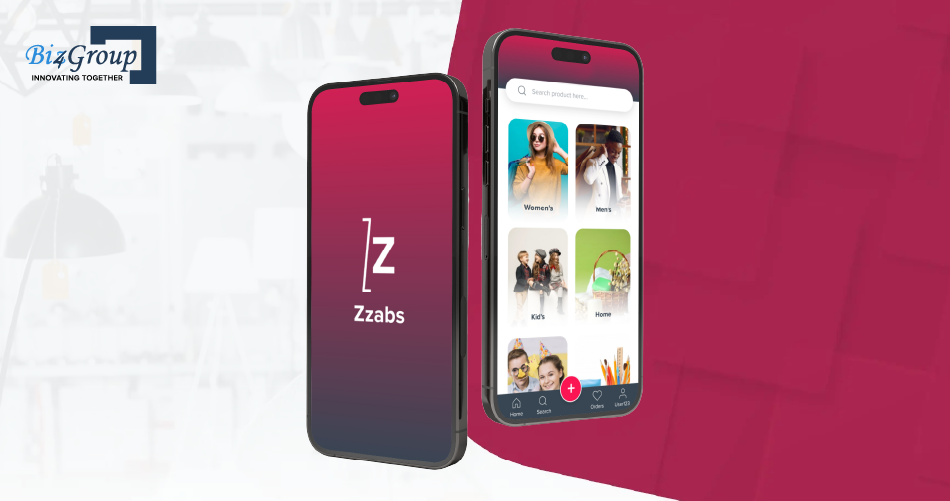
Using seasoned AI app development skills, Biz4Group developed a fashion and accessories marketplace mobile app focused on usability and performance.
The architecture supports AI-based visual generation while keeping the mobile experience fast and intuitive.
Different customers respond to different visuals. AI fashion platforms allow brands to display the same product on different models based on region, demographics, or behavior. When businesses create AI powered fashion model generator for online stores, personalization becomes scalable rather than manual.
This use case often works alongside tools such as an AI fashion recommendation website to align visuals with demand patterns.
Marketing teams need speed. AI-generated fashion models make it easier to test visuals for ads, landing pages, and social campaigns without reshoots. Teams can experiment with styles, poses, and backgrounds while maintaining brand consistency.
This agility improves ROI when combined with broader AI automation services that streamline campaign execution and asset deployment.
Luxury and premium fashion brands depend heavily on aesthetics. AI fashion model generator platform development ensures every product visual matches the brand’s tone across web, mobile, and marketing channels.
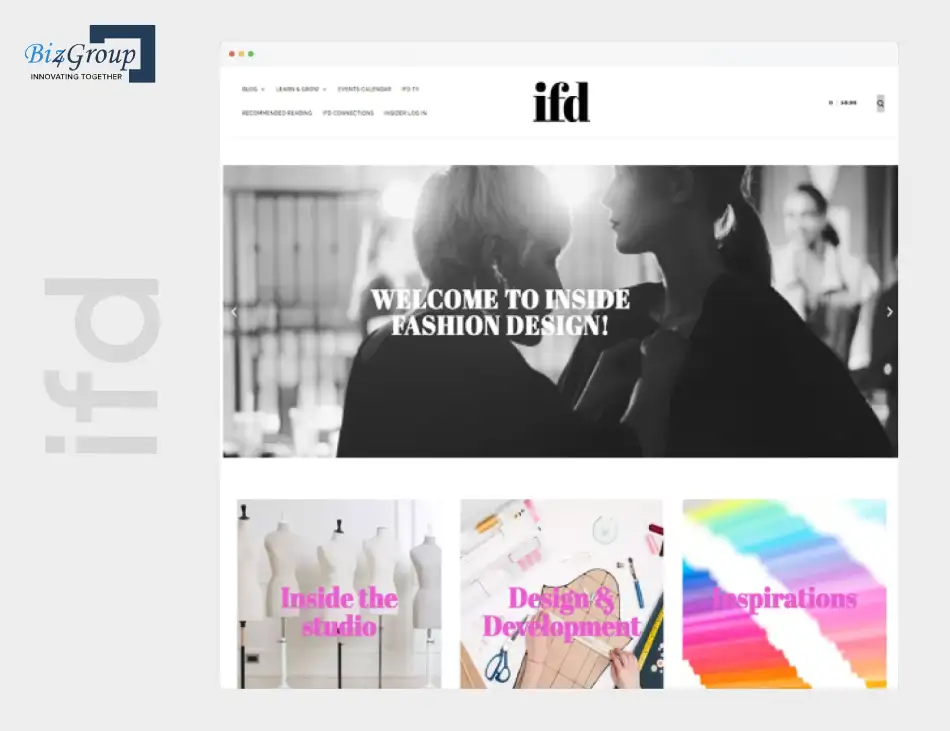
Biz4Group built a visually rich fashion website focused on experience and design excellence.
This type of platform provides an ideal base for AI-driven fashion visualization that supports premium branding and consistent presentation.
Each of these use cases highlights how AI fashion model generator platforms move beyond experimentation. They become core infrastructure for brands serious about scale, consistency, and conversion growth.
Brands adopting AI-based fashion visualization report 30%-60% lower visual production costs across catalogs and campaigns.
Book a Strategy Call TodayBefore moving into advanced capabilities, it is important to get the foundation right. When brands develop AI fashion model generator platform, missing core features can limit adoption, slow down workflows, and weaken ROI.
The features below represent the non-negotiables for any team planning serious AI fashion model generator platform development.
| Feature | What It Is | What It Does |
|---|---|---|
|
AI Fashion Model Generation Engine |
Core AI system that applies garments to realistic human models |
Produces high-quality model visuals without physical photoshoots |
|
Body Type and Pose Customization |
Configurable options for model diversity and positioning |
Helps brands localize visuals and represent diverse audiences |
|
Garment Mapping and Fit Accuracy |
Image processing layer that understands fabric, shape, and drape |
Ensures apparel looks realistic and trustworthy on generated models |
|
Batch Image Processing |
Ability to process hundreds or thousands of SKUs together |
Speeds up catalog launches and seasonal rollouts |
|
Brand Style Control |
Rules for lighting, background, and visual tone |
Maintains consistent brand identity across all visuals |
|
Asset Management System |
Central repository for generated images |
Simplifies storage, reuse, and distribution of visual assets |
|
Ecommerce Platform Integration |
Direct connection with stores and marketplaces |
Pushes visuals live without manual uploads using AI integration services |
|
API Access |
Programmatic control over image generation and delivery |
Enables flexible use across web, mobile, and marketing systems |
|
Performance Optimization |
Image compression and delivery optimization |
Improves load speed and mobile experience |
|
Analytics and Usage Tracking |
Dashboard for monitoring generation and usage |
Helps teams measure efficiency and plan scaling |
|
Security and Access Control |
Role-based permissions and data protection |
Protects brand assets and internal workflows |
|
Scalable Architecture |
Cloud-ready infrastructure design |
Supports enterprise growth and high traffic use cases using enterprise AI solutions |
These features form the backbone of custom AI fashion model generator development. Without them, teams often face bottlenecks when catalog size grows or when multiple departments rely on the same platform.
With these must-have features in place, the platform is ready for differentiation. In the next section, we will explore advanced capabilities that help brands stand out and scale faster.
Once the core foundation is stable, advanced capabilities turn the platform into a true growth engine. Brands that develop AI fashion model generator solutions for scalable ecommerce use these features to stay ahead, adapt faster, and personalize at scale.
Advanced platforms generate visuals based on customer attributes such as region, browsing behavior, or purchase history. When brands create AI powered fashion model generator for online stores, they can display the same product on different models for different audiences, improving relevance and engagement.
This capability often pairs well with insights from an AI fashion trend forecasting assistant, helping visuals stay aligned with what customers are actively responding to.
Modern shoppers expect realism. Advanced AI fashion model generator platform development focuses on subtle details such as fabric drape, posture, and skin tone consistency.
Many platforms borrow inspiration from consumer-facing tools like an AI avatar generator app like Lensa AI, adapting similar realism standards for ecommerce-grade visuals.
Marketing teams benefit when platforms generate multiple visual variations automatically. This allows brands to test images across ads, landing pages, and marketplaces without reshoots.
Over time, this becomes a feedback loop that improves conversion rates while reducing creative turnaround time.
Some brands extend platform capabilities beyond product pages by creating campaign-specific digital personas. Products like an AI influencer generator app allow fashion teams to maintain consistent visual storytelling across promotions, seasonal launches, and social commerce.
Advanced platforms reduce manual intervention by automating repetitive tasks such as image approval routing, quality checks, and asset publishing.
These workflows are often built using principles from an AI agent development company, where systems act independently within defined rules.
As platforms mature, teams benefit from conversational controls. Internal users can request visuals, manage catalogs, or retrieve performance insights through developing AI chatbots, reducing dependency on technical teams.
Advanced AI fashion model generator platform development treats the system as a living AI product rather than a one-time build. Continuous learning, feature expansion, and performance tuning ensure the platform grows alongside the business.
These advanced features separate experimental platforms from enterprise-ready solutions. In the next section, we will explore the technology stack, security, and compliance required to support these capabilities safely and at scale.
Personalized visuals and automated testing can lift ecommerce conversion rates by up to 20% when executed at scale.
Activate Growth Features with Biz4GroupA scalable platform needs a reliable technical backbone. When brands build AI powered fashion model generator, the technology stack must support heavy image processing, real-time generation, integrations, and future expansion without performance drops.
Below is a practical view of the technology layers commonly used in AI fashion model generator platform development.
| Layer | Technologies Used | Purpose |
|---|---|---|
|
Frontend |
React, Next.js, Vue |
Delivers fast, responsive dashboards and visual previews |
|
Backend |
Node.js, Python, Java |
Handles business logic, workflows, and integrations |
|
AI and ML Layer |
TensorFlow, PyTorch, OpenCV |
Powers fashion model generation and garment visualization |
|
Image Processing |
CUDA, image optimization libraries |
Enhances realism, resolution, and output quality |
|
Cloud Infrastructure |
AWS, Azure, Google Cloud |
Enables scalable storage and compute resources |
|
Databases |
PostgreSQL, MongoDB, Redis |
Stores metadata, assets, and usage data |
|
APIs |
REST, GraphQL |
Supports platform extensibility and integrations |
|
DevOps |
Docker, Kubernetes |
Ensures smooth deployment and scalability |
Security and compliance are critical when brands develop AI fashion model generator solutions for scalable ecommerce. Visual assets, brand data, and proprietary designs must remain protected at all times.
Key considerations include:
Addressing these areas early reduces risk and builds confidence among stakeholders, especially enterprise brands.
With the right technology stack and strong security foundations in place, the platform becomes ready for execution. In the next section, we will walk through the step-by-step process to bring an AI fashion model generator platform from idea to production.
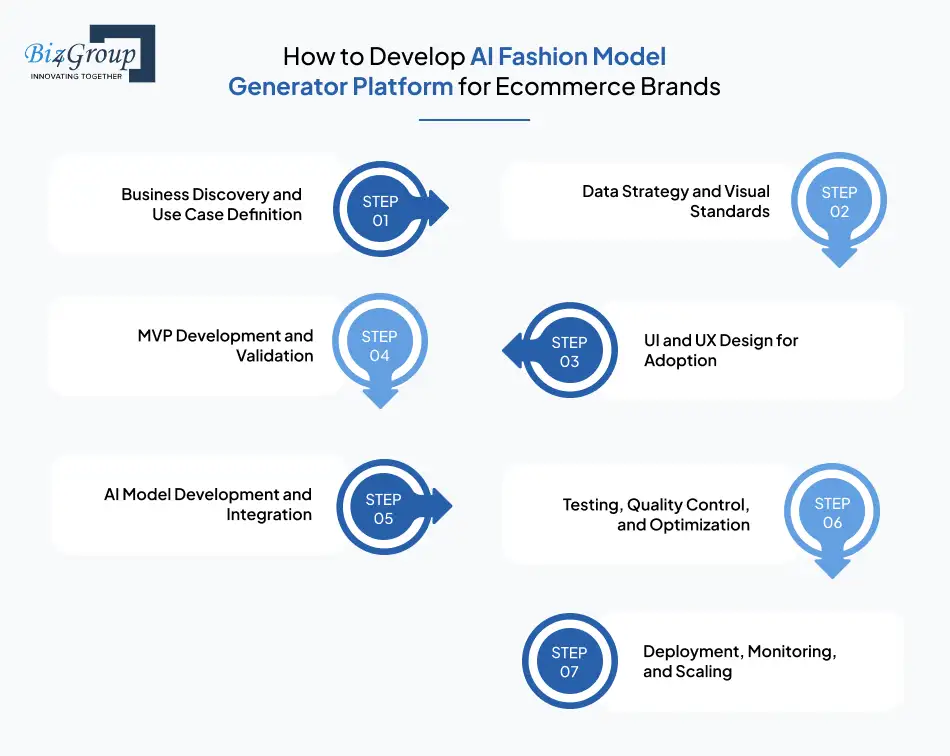
Building a scalable platform requires more than technical execution. When brands develop AI fashion model generator platform, success depends on following a structured process that balances speed, quality, and long-term growth.
Below is a proven seven-step roadmap used in AI fashion model generator platform development projects.
The process begins with understanding business goals, target users, and catalog complexity. Teams define where AI-generated fashion models will add the most value, whether for product pages, marketplaces, or marketing campaigns.
Clear success metrics are established early to guide decisions.
High-quality data is essential. This step focuses on preparing apparel images, defining garment categories, and setting visual rules. Consistent lighting, angles, and resolution standards ensure realistic outputs later in the pipeline.
Even powerful platforms fail without adoption. A clean interface helps teams generate visuals quickly and manage assets efficiently. Partnering with a specialized UI/UX design company helps in creating intuitive dashboards, preview tools, and approval workflows that align with everyday ecommerce operations.
Also read: Top 15 UI/UX design companies in USA
Instead of building everything at once, teams launch a focused MVP. This version includes core generation features, limited customization, and essential integrations. Using structured MVP development services allows brands to test performance, validate ROI, and collect feedback before scaling.
Also read: Top 12+ MVP development companies in USA
At this stage, the platform integrates the AI generation engine with backend workflows. Garment mapping, pose selection, and output refinement are fine-tuned to meet quality benchmarks. This phase defines how realistic and scalable the final visuals will be.
Generated visuals undergo accuracy checks, performance testing, and usability reviews. Feedback loops help refine model outputs and platform speed. This step ensures visuals meet brand standards before reaching customers.
Once stable, the platform is deployed to production. Teams monitor performance, user activity, and system load. As catalogs grow, infrastructure and workflows scale to support higher demand without compromising quality.
Following this structured approach reduces risk and speeds up time to value. With the platform live and tested, the next critical consideration is cost. In the next section, we will break down the AI fashion model generator platform development cost estimate from MVP to full-scale deployment.
Products built without MVP validation are 2x more likely to face rework, delays, and cost overruns after launch.
Talk to Biz4Group's ExpertsBefore diving into features or timelines, most founders and product leaders ask one question first. How much does it actually cost?
On average, AI fashion model generator platform development falls in the range of $25,000-$150,000+, depending on scope, AI depth, scalability needs, and long-term vision. A focused MVP sits at the lower end, while enterprise-grade platforms with automation, personalization, and integrations push costs upward.
| Platform Stage | What It Covers | Average Cost Range |
|---|---|---|
|
MVP |
Core AI model generation, basic UI, limited integrations |
$25,000-$45,000 |
|
Advanced Level |
Customization, batch processing, analytics, workflows |
$50,000-$90,000 |
|
Enterprise Level |
Multi-brand support, automation, security, scalability |
$100,000-$150,000+ |
These figures reflect realistic market benchmarks for brands planning to develop AI fashion model generator platform with long-term scalability in mind.
Every platform build has moving parts. Understanding where the budget goes helps teams plan smarter and avoid surprises.
| Cost Driver | What Impacts the Cost | Estimated Cost Impact |
|---|---|---|
|
AI Model Complexity |
Realism, garment accuracy, pose variations |
$8,000-$30,000 |
|
Data Preparation |
Image cleanup, labeling, standardization |
$4,000-$12,000 |
|
UI and UX Design |
Dashboards, preview tools, asset management |
$5,000-$15,000 |
|
Backend Development |
Workflows, APIs, logic layers |
$10,000-$25,000 |
|
Integrations |
Ecommerce platforms, storage, analytics |
$5,000-$20,000 |
|
Cloud Infrastructure |
Compute, storage, image processing |
$3,000-$10,000 |
|
Security and Compliance |
Access control, encryption, audits |
$4,000-$10,000 |
Each of these factors grows as the platform scales from MVP to enterprise use.
Even well-planned budgets can run into friction if hidden costs are ignored. These expenses surface after launch and impact long-term ROI.
AI fashion visuals improve over time. Retraining models, refining outputs, and adapting to new apparel types adds $3,000-$8,000 annually.
Automated generation still needs human validation for premium brands. Ongoing QA can cost $2,000-$6,000 per release cycle.
As catalogs grow, image delivery and generation speed require tuning. Optimization efforts typically add $3,000-$7,000 over time.
Traffic spikes, seasonal launches, and global usage increase cloud expenses. Brands should expect 15%-25% higher infrastructure costs as usage grows.
Teams need onboarding and workflow alignment. Training and documentation can add $2,000-$5,000 in early stages.
Ignoring these factors often leads to budget overruns later.
Smart planning can reduce spend without sacrificing quality.
Brands that treat the platform as a long-term product rather than a one-time build tend to control costs more effectively.
AI fashion model generator platform development is an investment in speed, consistency, and scalability. While the upfront cost varies, brands that plan strategically often recover expenses through reduced photoshoots, faster launches, and improved conversion performance.
In the next section, we will compare build vs buy to help you decide whether a custom platform or an off-the-shelf tool makes more sense for your business goals.
Every fashion brand reaches a point where it must decide whether to build a custom platform or rely on ready-made tools. The right choice depends on scale, control, and long-term goals. This comparison helps clarify which path fits different business scenarios.
| Decision Factor | Build | Buy |
|---|---|---|
|
Customization |
Full control over models, visuals, and workflows |
Limited to vendor presets |
|
Scalability |
Designed to grow with large catalogs |
Often restricted by usage limits |
|
Brand Consistency |
Complete alignment with brand guidelines |
Generic outputs across users |
|
Integrations |
Tailored integrations with ecommerce systems |
Predefined or limited integrations |
|
Data Ownership |
Full ownership of data and models |
Data often tied to vendor platform |
|
Long-Term Cost |
Higher upfront, lower cost at scale |
Lower upfront, higher recurring fees |
|
Speed to Market |
Slower initial launch |
Faster initial setup |
|
Competitive Advantage |
Creates unique differentiation |
Easily replicable by competitors |
This table highlights why many growing brands choose to develop AI fashion model generator platform once visual production becomes central to operations.
Build when
You manage large or growing catalogs, need deep customization, and want long-term control over visuals and costs.
Buy when
You need quick experimentation, have a small catalog, or want to validate demand before investing further.
Hybrid when
You start with tools for early validation, then transition to custom AI fashion model generator development as scale and complexity increase.
This clarity helps teams avoid rushed decisions that can slow growth later.
In the next section, we will explore challenges, risks, and common mistakes, along with practical ways to mitigate them during AI fashion model generator platform development.
Over 70% of scaling ecommerce brands outgrow off-the-shelf tools within the first year and rebuild from scratch.
Decide Before You Invest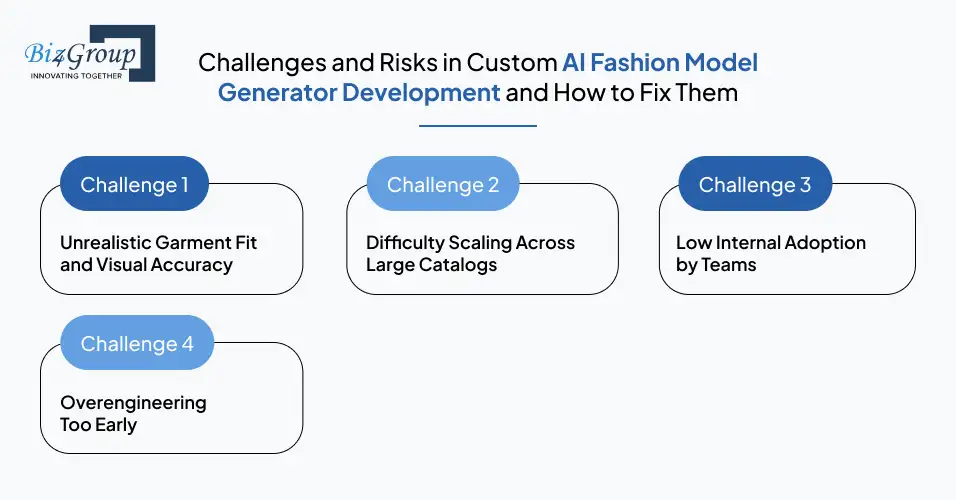
Even well-planned platforms face obstacles during execution. The key is to focus on challenges that are frequent, manageable, and solvable with the right strategy.
Below are the issues teams encounter while working on AI fashion model generator platform development, along with practical solutions.
Poor garment mapping reduces buyer trust and increases returns. If clothing looks unnatural, customers hesitate to purchase.
Solutions
Platforms often perform well with small datasets but struggle when SKU volume increases.
Solutions
If the platform feels complex, teams revert to manual workflows or external vendors.
Solutions
Many teams try to build advanced features before validating core value, which inflates cost and delays launch.
Solutions
Addressing these challenges early improves success rates and keeps projects aligned with business goals. In the next section, we will explain why businesses trust Biz4Group for AI fashion model generator platform development and long-term scalability.
Biz4Group LLC is a USA-based software development company that partners with entrepreneurs, fast-growing brands, and enterprises to build scalable digital products.
What sets us apart is how we approach AI fashion model generator platform development. We do not treat it as a one-off build or a demo project. We approach it as a long-term product that must support real users, real catalogs, and real growth.
Over the years, we have delivered eCommerce stores, multi-vendor marketplaces, and subscription platforms for global clients. We understand catalog complexity, seller workflows, visual consistency challenges, and performance expectations. When businesses across the globe choose Biz4Group LLC, they work with a team that understands both technology and commerce realities.
Our strength also lies in execution. From discovery to deployment, we maintain clarity, transparency, and ownership. Clients trust us because we focus on outcomes. Faster launches. Lower operational friction. Scalable architecture. Measurable business impact.
Many companies claim AI expertise. Few combine AI development services with ecommerce depth and product thinking. That difference becomes visible when platforms go live and start handling real traffic, real sellers, and real customers.
You’ll see that difference when you partner with Biz4Group. Let’s talk.
AI fashion model generator platform development has moved from experimentation to execution. Fashion ecommerce brands now need faster catalog launches, consistent visuals, and the ability to personalize content without increasing operational overhead. The result is better engagement, stronger brand presentation, and smoother growth across channels.
As competition increases and customer expectations rise, relying on traditional photoshoots alone creates friction. Brands that invest in building the right platform gain speed, flexibility, and long-term cost efficiency. From marketplaces to D2C brands, the ability to generate high-quality fashion visuals at scale has become a clear competitive advantage.
This is where Biz4Group LLC stands out. As a software development company, we help businesses design, build, and scale AI-powered ecommerce platforms with a strong focus on performance, usability, and future readiness. Our experience across fashion, marketplaces, and AI products allows us to deliver solutions that work in real-world environments, not just on paper.
If you are planning to build an AI fashion model generator platform that drives conversions and scales with your business, let’s make it happen.
Yes. These platforms can be trained or configured to handle category-specific requirements such as fabric stretch in activewear or detailing and textures in luxury apparel. The key lies in preparing the right visual datasets and rules for each category.
Many brands start seeing operational ROI within a few months through reduced photoshoot expenses and faster catalog launches. Conversion-related ROI often follows once visuals are optimized and tested across product pages and campaigns.
When executed correctly, they often improve trust. Consistent, high-quality visuals reduce confusion and returns. Transparency and realistic representation play an important role in maintaining customer confidence.
Yes. Platforms can be extended to blend AI-generated visuals with user-generated or influencer-style assets, allowing brands to maintain authenticity while scaling content production.
Absolutely. Localization can include model appearance, styling preferences, and visual presentation tailored to regional expectations, helping brands connect better with global audiences.
The platform can evolve alongside the brand. Visual rules, styling preferences, and model parameters can be updated, allowing the system to stay aligned with new trends and brand directions.

with Biz4Group today!
Our website require some cookies to function properly. Read our privacy policy to know more.