Location :
Orlando, FL, USA
Location :
Orlando, FL, USA +1 (407) 714-1616
 info@biz4group.com


















Imagine a digital system that doesn’t wait for instructions but instead, understands your business goals, learns from real-time feedback, and takes independent actions to get the job done.
Read More

Printing businesses today are under constant pressure to produce faster, waste less, and protect margins. AI in printing industry is addressing that pressure by turning production data into practical decisions. Instead of reacting after problems appear, intelligent systems help predict downtime, balance workloads, and stabilize output. The impact is measurable: higher throughput, fewer reprints, and better cost control.
Across commercial and packaging environments, production generates large volumes of machine data, job history, and quality records. Artificial intelligence in printing industry analyzes that information to detect patterns that are difficult to see manually. By shifting operations from reactive correction to predictive control, print facilities reduce unexpected stoppages and improve scheduling accuracy without increasing physical capacity.
When workflow systems, presses, and planning tools operate in isolation, inefficiencies compound. AI driven printing automation connects these systems into a coordinated layer that supports smarter decisions across shifts and locations. With clear implementation goals, often supported by an experienced AI development company, printing companies can scale operations in a controlled way while strengthening profitability over time.
Printing businesses are operating in a more demanding environment than before. Costs fluctuate, skilled labor is limited, and customer expectations move quickly. AI in printing industry has become a practical response to these pressures because older systems were designed for stability, not constant change.
Margins are narrowing as input costs rise and print runs become shorter. Even minor waste, delays, or scheduling gaps now affect profitability in visible ways. Artificial intelligence in printing industry helps uncover these inefficiencies by analyzing production data and highlighting where losses repeat.
Experience on the shop floor is harder to replace than machinery. When fewer operators manage more output, consistency becomes harder to maintain. Many print businesses now rely on enterprise AI solutions to standardize decision-making and reduce dependence on individual expertise.
Order flow no longer follows predictable cycles, especially in packaging and custom jobs. Sudden spikes or slowdowns create imbalance across presses and shifts. AI driven printing automation provides clearer visibility into workloads so adjustments can happen before delays spread.
Fixed-rule systems were built for repetitive processes with limited variation. Today’s print environments involve dynamic scheduling, changing order sizes, and tighter deadlines. Static automation reacts too late, while intelligent systems adapt continuously to shifting conditions.
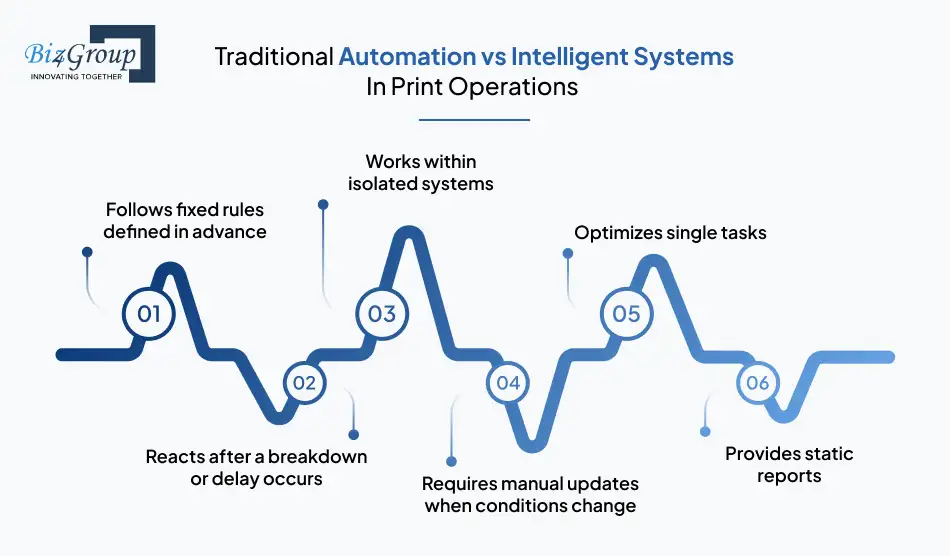
Traditional Automation vs Intelligent Systems In Print Operations
|
Traditional Automation |
Intelligent Systems In Print Operations |
|---|---|
|
Follows fixed rules defined in advance |
Learns from production data over time |
|
Reacts after a breakdown or delay occurs |
Detects early warning signals before disruption |
|
Works within isolated systems |
Connects data across the full workflow |
|
Requires manual updates when conditions change |
Adjusts automatically as patterns shift |
|
Optimizes single tasks |
Optimizes end-to-end production flow |
|
Provides static reports |
Supports real-time operational decisions |
These factors together explain why adoption is accelerating. The shift toward intelligent systems is not driven by trend but by operational necessity. As complexity increases, structured data-driven decision support becomes essential for protecting stability and long-term profitability.
Unlock measurable gains using AI in printing industry built around real production constraints.
Explore Intelligent AutomationPrint operations today depend on speed, coordination, and accuracy across multiple systems. AI in printing industry is redefining how these systems work together by turning production data into timely decisions. Instead of reacting to issues after they disrupt output, print facilities are using intelligent models to anticipate and manage change.
Production teams once responded only after equipment failures or scheduling conflicts became visible. Predictive systems now analyze patterns in machine signals and workload history to detect early signs of risk. With AI technology in print manufacturing, maintenance and scheduling decisions shift from reactive fixes to planned interventions.
Supervisors traditionally relied on experience and manual checks to guide daily operations. Data-driven systems now provide measurable indicators across uptime, job progress, and defect rates. Many AI solutions for printing companies support managers with structured insights while keeping final decisions in human hands.
Prepress, press, finishing, and planning tools often operate independently, creating blind spots between stages. When these systems are connected, decisions reflect the full production picture instead of isolated data points. Through structured AI integration services, print businesses align workflow data across departments.
Modern print environments must respond quickly to short runs and sudden order changes. Adaptive systems continuously analyze production flow and adjust schedules without requiring full manual reprogramming. This flexibility improves stability even when demand patterns shift.
This operational shift is gradual but measurable. Intelligent systems do not replace equipment; they improve how existing assets are coordinated and managed. As adoption expands, AI technology in print manufacturing is helping facilities move toward more stable, predictable, and connected production models.
Portfolio Spotlight
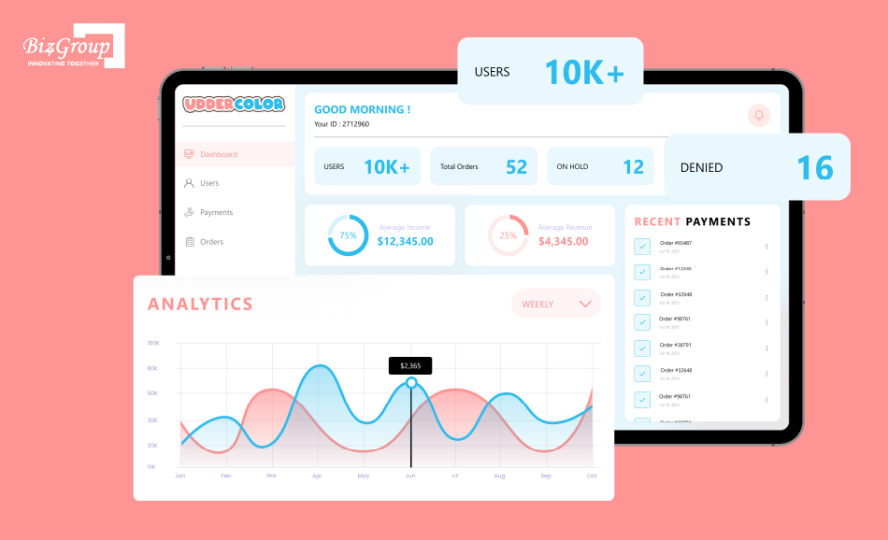
Udder Color is a digital platform built to streamline custom artwork printing, allowing users to order printable heat transfers in varied sizes and quantities with simplified production handling. It reflects how AI in printing industry increasingly supports order customization, workflow clarity, and scalable fulfillment through intelligent platform design.
Apply AI driven printing automation to reduce downtime and increase scheduling precision.
Optimize My Print WorkflowProfit growth in print operations does not always require new presses or expanded facilities. AI in printing industry improves profitability by helping companies use existing capacity more effectively. When production data is monitored and adjusted in real time, output increases, waste declines, and capital decisions become more informed.
Operational Impact On Profitability And Capacity
|
Focus Area |
Operational Change |
Business Result |
|---|---|---|
|
Increasing Throughput Without Adding New Equipment |
Smarter scheduling and load balancing |
Higher output from the same assets |
|
Reducing Waste To Protect Margins |
Early defect detection and setup optimization |
Lower scrap and reprint costs |
|
Stabilizing Output Across Shifts |
Performance tracking across operators and runs |
More consistent delivery timelines |
|
Rethinking Capital Planning |
Data-based capacity analysis |
Delayed or avoided equipment purchases |
Many of these improvements are supported by AI powered print workflow automation, which links scheduling, production tracking, and performance signals into one coordinated system. Some organizations rely on AI consulting services to structure implementation around measurable operational constraints rather than broad experimentation.
Enterprise scale adoption is about changing how decisions are made across production, planning, and finance. AI in printing industry becomes effective only when adoption follows a defined sequence tied to operational constraints and financial outcomes.
Every facility has one constraint that limits output, whether it is downtime, rework, or scheduling imbalance. Adoption works when that constraint is isolated and measured before any model is deployed. In AI for commercial printing operations, projects tied to a specific production bottleneck produce clearer results than broad digital initiatives.
Not all automation efforts change profitability in the same way. Some reduce waste, others improve utilization, and a few directly influence revenue stability. In AI in packaging and printing, prioritization is strongest when initiatives are ranked by impact on EBITDA instead of technical complexity.
Enterprise environments contain multiple presses, workflows, and teams with different operating rhythms. Expanding too quickly creates instability instead of efficiency. Structured rollouts supported by AI automation services allow performance to be validated in one line or facility before extending further.
Models influence scheduling, maintenance timing, and quality decisions, which affect daily output. Without defined ownership, performance gaps remain unnoticed and accountability becomes weak. Sustainable intelligent automation in printing industry depends on assigning responsibility for monitoring, refinement, and escalation.
Enterprise adoption succeeds when operational logic, financial priority, and accountability are aligned well. When those elements are structured, intelligent systems integrate into daily decision-making instead of operating as isolated technical experiments.
Discover how AI solutions for printing companies improve throughput and capacity stability.
Assess My AI ReadinessIntroducing intelligence into production changes how decisions move across the floor. As AI in printing industry becomes part of daily workflows, authority shifts from instinct alone to structured judgment supported by data. That shift requires clear boundaries between system recommendations and human responsibility.
Operators no longer spend most of their time searching for issues. With industrial AI applications in printing, alerts surface deviations early, and operators confirm, adjust, or escalate based on context. Supervisors focus more on trend evaluation and cross-shift consistency than on constant troubleshooting.
When multiple departments input production data, inconsistencies follow. Clear ownership ensures machine logs, quality checks, and scheduling records remain reliable over time. Some print businesses choose to hire AI developers to formalize data architecture and remove ambiguity around responsibility.
Systems recommend actions, but authority must remain visible. Smart printing industry AI systems can optimize schedules and maintenance timing, yet supervisors still review decisions during unusual production conditions. Oversight keeps operations stable when real-world variables are not fully captured in the model.
Confidence grows when teams understand the logic behind recommendations. Transparency in model behavior reduces skepticism and supports consistent adoption. Structured AI model development processes help ensure that system outputs are traceable and explainable.
Clarity in roles prevents friction as adoption expands. When data ownership, oversight, and accountability are defined early, teams better understand how AI is transforming the printing industry at an operational level. Managing authority carefully ensures intelligent systems strengthen discipline rather than dilute it.
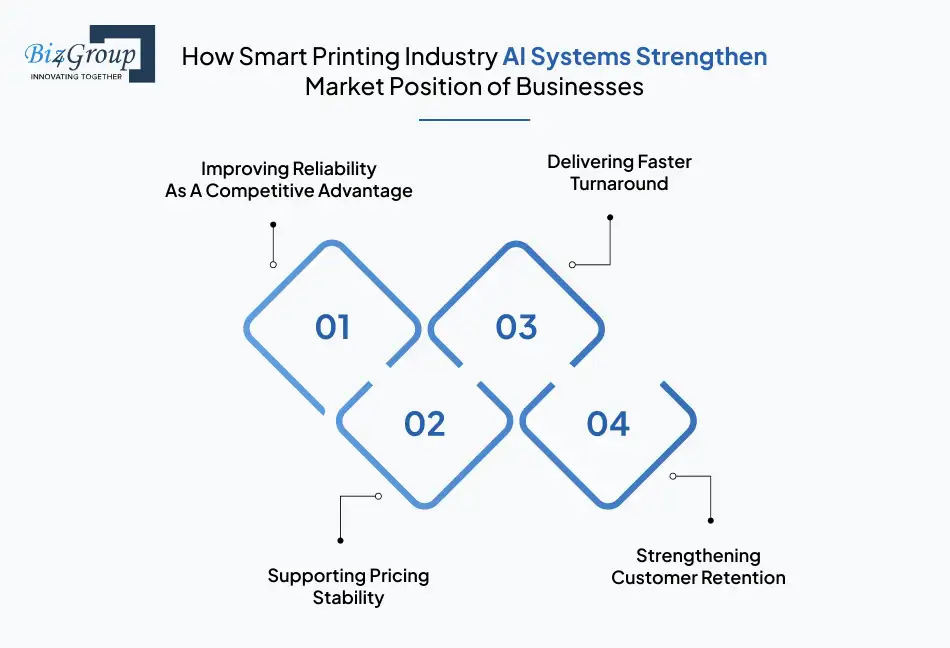
Competitive position in print markets is shaped by reliability, pricing discipline, and delivery speed. AI in printing industry strengthens all three by improving how production decisions are made and executed. When operations become more predictable and responsive, businesses gain structural advantages that are difficult for competitors to replicate.
Missed deadlines and inconsistent quality damage reputation quickly. Intelligent systems reduce variability by monitoring production signals and correcting deviations early. With AI driven automation in commercial printing companies, reliability becomes measurable rather than dependent on manual oversight.
Pricing pressure increases when costs fluctuate unpredictably. Data-driven cost tracking improves job estimation accuracy and reduces margin surprises. Many organizations working with a custom software development company embed financial visibility directly into production workflows to maintain disciplined pricing.
Speed matters when customers operate on tight campaign or packaging timelines. Intelligent scheduling reduces idle time and balances workloads across presses and shifts. The ability to respond quickly without adding capacity becomes a clear differentiator in competitive bids.
Consistency builds trust. When quality, delivery, and communication remain stable, repeat business follows naturally. The broader benefits of AI in the printing industry for businesses include improved service reliability and more predictable client experiences.
|
Operational Improvement |
Market Effect |
Strategic Outcome |
|---|---|---|
|
Reduced Production Variability |
More Reliable Delivery Commitments |
Stronger Brand Trust |
|
Data-Based Cost Visibility |
Stable Pricing Structures |
Improved Margin Protection |
|
Faster Scheduling Adjustments |
Shorter Lead Times |
Higher Win Rates In Competitive Bids |
|
Consistent Quality Monitoring |
Fewer Client Complaints |
Increased Repeat Orders |
Market strength is rarely built through marketing alone. It grows from operational consistency that customers can depend on. When supported by structured system design and, in some cases, business app development using AI, intelligent production control becomes a lasting advantage rather than a short-term upgrade.
Implement artificial intelligence in printing industry to align planning, quality, and production.
Design My AI StrategyRunning one facility with intelligent systems is one thing. Running several without losing consistency is another. AI in printing industry only delivers full value when it works the same way across plants, teams, and production environments. Scaling is less about copying tools and more about aligning how decisions are made everywhere.
When capacity is balanced properly, AI in printing industry for quality control and efficiency becomes easier to manage across the network.
Some companies choose to build AI software that connects plant data without interfering with daily operations.
Standardization removes confusion and makes results easier to compare.
Structured expansion supports how printing companies use AI to increase profitability by improving utilization without creating instability.
Scaling works best when visibility improves but control stays clear. When plants share data, standards, and decision logic, intelligent systems strengthen the whole network instead of just individual facilities.
Adopting intelligent systems at enterprise scale introduces both operational gains and new responsibilities. AI in printing industry influences scheduling, maintenance, quality, and planning decisions across facilities. When adoption expands without structure, small weaknesses can scale quickly, so risk management must be part of the rollout strategy.
|
Risk Area |
What Can Go Wrong |
Practical Control Measure |
|---|---|---|
|
Avoiding Over Automation |
Critical decisions are automated without context, limiting flexibility |
Keep supervisors responsible for high-impact approvals |
|
Protecting Data Quality |
Incomplete or inconsistent production data reduces model accuracy |
Standardize data capture and assign clear ownership |
|
Reducing Vendor Dependency |
Over-reliance on one provider limits long-term adaptability |
Maintain internal documentation and architectural clarity |
|
Managing Cybersecurity Exposure |
Connected systems increase vulnerability across plants |
Segment networks and enforce controlled access policies |
Some organizations choose to build an AI app that allows monitoring and controlled overrides instead of fully autonomous execution. Others work with a trusted software development company in Florida to structure system architecture in a way that balances flexibility with security.
Use AI powered print workflow automation to standardize performance across facilities.
Plan My Enterprise Rollout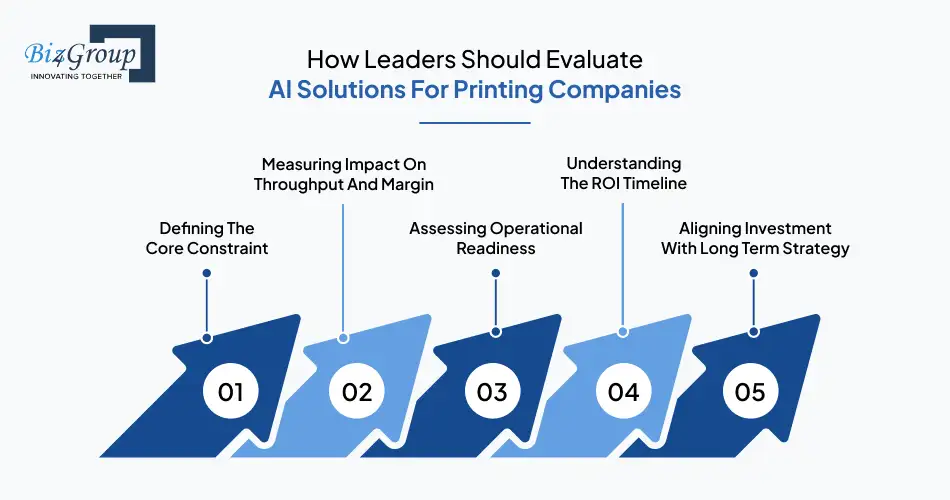
Smart investment begins with operational clarity. AI in printing industry should be evaluated based on whether it removes a real production constraint and improves measurable outcomes. Leaders who approach adoption with financial and structural discipline are more likely to see stable, scalable returns.
Every facility has one limiting factor that affects performance more than the rest. It may be downtime, reprints, scheduling delays, or uneven workload distribution. Evaluation should begin by isolating that constraint before considering tools such as AI powered predictive maintenance in printing industry.
Technology must connect directly to financial outcomes. Leaders should examine whether a solution increases usable machine hours, reduces waste, or stabilizes pricing accuracy. If measurable impact on throughput or margin is unclear, the investment logic is incomplete.
Adoption depends on consistent production data and team capability. If logs are incomplete or systems are disconnected, results will vary across shifts and facilities. Some organizations choose to integrate AI into an app that aligns reporting and workflow data before scaling further.
Efficiency gains often accumulate gradually rather than appearing immediately. Small improvements in uptime and scheduling precision compound over production cycles. Leaders should evaluate return expectations realistically rather than assuming rapid transformation.
Short-term efficiency must support broader expansion goals. The role of intelligent automation in printing industry growth becomes clearer when adoption aligns with capacity planning, market positioning, and multi-site coordination. In some cases, tools such as generative AI may support planning or forecasting, but only when tied to defined strategic objectives.
|
Evaluation Area |
Key Question |
Decision Focus |
|---|---|---|
|
Core Constraint |
What is limiting output or margin today? |
Targeted improvement |
|
Financial Impact |
Will measurable cost or throughput gains follow? |
Margin influence |
|
Readiness |
Is data consistent and systems aligned? |
Implementation stability |
|
ROI Timeline |
When will gains realistically appear? |
Expectation management |
|
Strategic Fit |
Does this support long-term growth plans? |
Scalable investment logic |
Strong evaluation protects both capital and operational stability. When leaders focus on constraint removal, financial clarity, and alignment with strategy, intelligent systems become disciplined investments rather than experimental upgrades. Structured assessment ensures technology supports sustainable growth instead of short-term excitement.
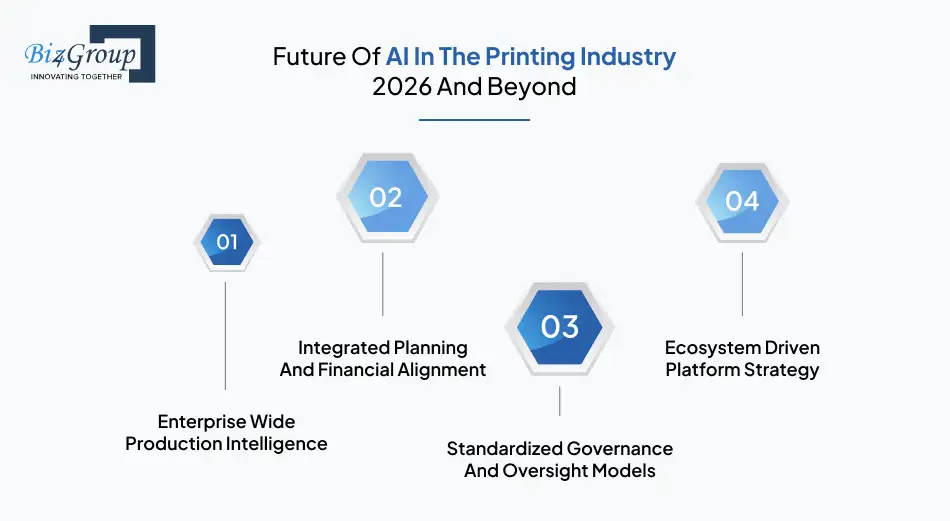
The next stage of AI in printing industry will focus on enterprise coordination rather than isolated improvements. Adoption will shift from experimentation to structured integration. The direction becomes clearer when looking at what is changing next.
Production data will move beyond plant-level dashboards into shared enterprise intelligence layers. Leadership teams will compare performance across regions in real time instead of reviewing isolated reports. This shift will define the future of AI in the printing industry 2026 as coordination becomes cross-functional and multi-site.
Operational insights will connect directly with forecasting and financial planning models. Decision-makers will rely on unified systems that link demand signals with capacity modeling. Deeper enterprise adoption of AI in printing industry will depend on aligning operations with financial strategy at scale.
As systems expand, governance structures will mature alongside them. Clear escalation paths and traceable decision logs will become normal practice. Approaches like AI chatbot integration may support transparent reporting without increasing management overhead.
Future growth will depend on selecting interoperable platforms rather than isolated vendors. Collaboration between print enterprises and partners like the top AI development companies in Florida will emphasize long-term system architecture over short-term deployment speed. Stability will outweigh experimentation.
The coming phase is less about new features and more about structural maturity. Intelligence will become embedded into planning, governance, and enterprise coordination. The organizations that adapt early will move from operational optimization to systemic advantage.
Leverage intelligent automation in printing industry to strengthen forecasting and margin control.
Start My AI TransformationAdopting AI in printing industry is not about adding another tool to the tech stack. It is about improving how production, scheduling, and quality decisions are made every day. That requires a partner who understands both AI architecture and real print operations.
Biz4Group LLC works closely with printing businesses to map how jobs flow across prepress, press, finishing, and planning systems. Instead of pushing generic automation, the focus stays on solving measurable constraints such as downtime patterns, reprint rates, or scheduling instability. This approach aligns directly with the benefits of AI in the printing industry for businesses, where efficiency gains must translate into financial results.
As an experienced AI product development company, Biz4Group LLC designs solutions around existing infrastructure instead of replacing it. Whether the goal is predictive maintenance, workflow optimization, or data consolidation, systems are built to layer intelligence onto current MIS and ERP environments.
For organizations looking to integrate AI into printing workflow, the emphasis is on phased implementation and validation. Projects typically begin with one production constraint, measure improvement clearly, and then expand in a controlled manner. This reduces operational risk while building long-term confidence.
By combining technical depth with practical production insights, Biz4Group LLC helps turn intelligent automation into structured, sustainable advantages for printing businesses.
Printing has always been about precision, timing, and margins. What has changed is how those decisions get made. AI in printing industry is no longer limited to isolated tools or experimental pilots. It now shapes scheduling discipline, capacity planning, quality consistency, and long-term growth strategy.
Across this discussion, one pattern stands out. Intelligent systems create value when they remove real constraints, improve visibility, and strengthen coordination across facilities. They do not replace presses or people. They improve how both are used.
The shift is practical. Less guesswork. Fewer surprises. Better decisions backed by data.
For printing businesses ready to move beyond experimentation, working with an experienced AI app development company that understands production realities can make the difference. When supported by purpose-built printing software solutions, intelligent automation becomes part of daily operations rather than a separate initiative.
In the end, growth in printing still comes down to fundamentals. Stable output. Controlled costs. Reliable delivery. AI just makes those fundamentals easier to manage.
Most AI systems require structured production data to identify patterns reliably. In printing environments, 12 to 24 months of consistent machine logs, job history, and quality records is often sufficient for initial modeling. Data quality matters more than volume, so clean and standardized records are critical.
Yes. AI adoption is not limited to large enterprises. Smaller facilities can start with focused applications such as scheduling optimization or quality monitoring, provided they have consistent production data. The scale of the solution should match the scale of operations.
No. AI systems support decision-making but do not replace operational expertise. Operators and supervisors remain responsible for interpreting alerts, validating adjustments, and managing exceptions that systems may not fully capture.
Timelines vary depending on the use case and data readiness. Focused deployments tied to a single constraint can show measurable impact within a few months. Broader enterprise initiatives typically require phased validation over longer production cycles.
Processes with repetitive patterns and measurable data streams are usually strong candidates. High-volume commercial printing, packaging production, and facilities with detailed machine monitoring systems often see earlier results due to data availability.
Success is measured through operational and financial indicators such as improved uptime, reduced waste, stable delivery timelines, and margin consistency. Clear baseline metrics should be defined before deployment to evaluate performance accurately.

with Biz4Group today!
Our website require some cookies to function properly. Read our privacy policy to know more.