Location :
Orlando, FL, USA
Location :
Orlando, FL, USA +1 (407) 714-1616
 info@biz4group.com


















Imagine a digital system that doesn’t wait for instructions but instead, understands your business goals, learns from real-time feedback, and takes independent actions to get the job done.
Read More

If you are evaluating voice AI right now, you have probably noticed how quickly this space is moving. What felt cutting edge a year ago already feels basic today. That is exactly why many teams are actively searching for ElevenLabs alternatives instead of committing too early or limiting themselves to ElevenLabs competitors without deeper comparison.
The market data explains why this shift is happening.
By 2025, the global AI voice generator market was valued at USD 4.16 billion, with projections pointing to rapid growth over the next few years as voice becomes embedded across products and services.
At the same time, the text to speech market alone reached USD 4.66 billion in 2025, driven by adoption across customer support, content creation, accessibility, and education.
Those numbers tell a simple story. Voice is no longer an add-on. It is becoming a core interaction layer across AI voice generation tools for businesses that rely on scalable and reliable customer experiences.
And when voice becomes core, the questions change.
Many founders and product leaders start with ElevenLabs and then pause once voice moves closer to the heart of their product. Some want more control. Others want predictable pricing. Many want flexibility to support things like a full AI voice agent experience inside their application.
We see this shift every day. Teams are not just comparing tools anymore. They are rethinking how voice fits into their long-term product strategy.
That is exactly what this guide is built to help you do.
|
If You're Looking For... |
Recommended ElevenLabs Alternative |
Why It's a Strong Choice |
|---|---|---|
|
Best overall alternative |
Murf AI |
Well-rounded platform with high-quality voices, business features, and an intuitive interface. |
|
Best for enterprise teams |
WellSaid Labs |
Built for enterprise content creation with collaboration, governance, and consistent voice quality. |
|
Best for AI voice agents |
Tabbly |
Designed specifically for real-time conversational AI with usage-based pricing. |
|
Best for developers & APIs |
Deepgram (Aura) |
Enterprise-grade voice APIs, scalability, and reliable speech AI infrastructure. |
|
Best for ultra-low latency applications |
Cartesia (Sonic) |
Optimized for real-time voice experiences with extremely fast response times. |
|
Best for voice cloning |
Resemble AI |
Advanced voice cloning, custom voice models, and flexible deployment options. |
|
Best for multilingual content |
Listnr |
Supports multiple languages and accents for global content creation. |
|
Best for realistic voice recreation |
Respeecher |
Industry-leading voice replication used in media, entertainment, and professional production. |
|
Best for content creators |
LOVO AI (Genny) |
Rich voice library with expressive AI voices for videos, marketing, and eLearning. |
|
Best for accessibility & productivity |
Speechify |
Ideal for text-to-speech, listening workflows, and accessibility-focused use cases. |
|
Best value for production-ready TTS |
Fish Audio |
Natural-sounding AI voices with strong voice cloning capabilities and competitive pricing. |
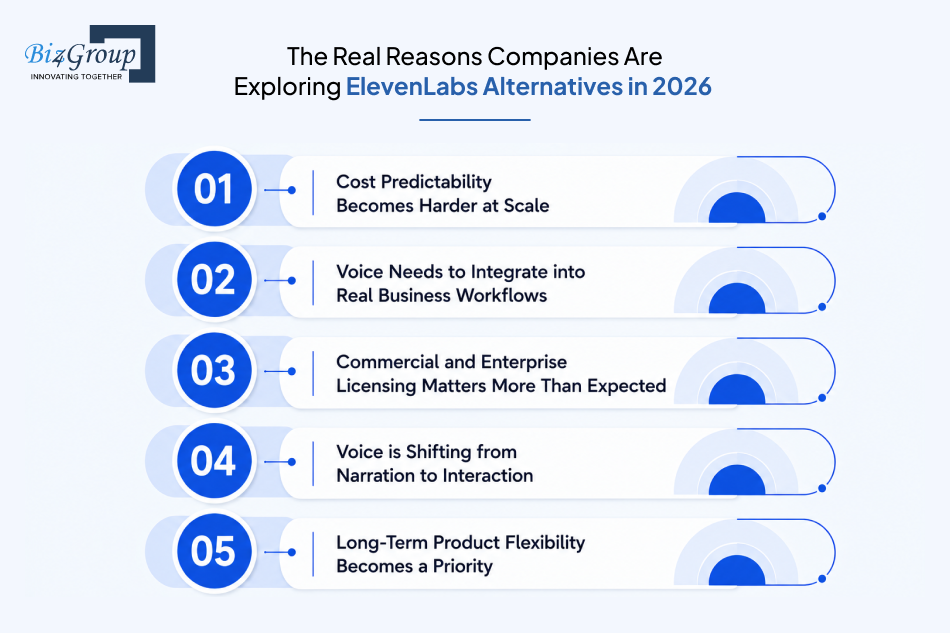
Most businesses looking for an ElevenLabs alternative aren't looking because ElevenLabs disappointed them. They're looking because their needs have changed.
Maybe your team has grown. Maybe you're building an AI voice agent instead of creating marketing videos. Or maybe you've started looking at your monthly bill and wondered if there's a platform that's a better fit.
Whatever brought you here, you're asking the same question thousands of businesses are asking in 2026:
"Is ElevenLabs still the right platform for what we're building?"
Sometimes the answer is yes. Sometimes it isn't.
And that's exactly why comparing alternatives has become part of the buying process instead of an afterthought.
This is probably the biggest reason. When most people first try ElevenLabs, they're focused on one thing: voice quality. And honestly, it delivers. But after a while, your priorities start shifting.
Maybe now you're building a customer support bot that needs to respond instantly.
Maybe your marketing team needs voices in ten different languages.
Or maybe your developers keep asking for better API flexibility.
At that point, you're not looking for another AI voice generator. You're looking for one that's built for the way you work.
Nobody worries about pricing during a free trial.
The conversation changes once AI voice becomes part of your business.
Your usage grows. More customers come in. More voice generations happen every day. And before long, you're asking yourself:
"Is this still the most cost-effective platform for us?"
That's usually when businesses start comparing alternatives. Not because ElevenLabs is overpriced, but because every platform prices and scales differently. Finding the right pricing model can make a noticeable difference once you're generating voice at scale.
Imagine calling an AI receptionist.
You ask a question...and wait three seconds for an answer. Feels awkward, right?
That's why more companies are paying attention to latency instead of voice quality alone.
If you're building AI agents, virtual assistants, or customer support experiences, people expect conversations to feel immediate. A voice that's slightly less realistic but responds instantly can often create a much better experience than one that's incredibly realistic but noticeably slower.
Voice decisions made early can shape your entire product experience. We help you evaluate, plan, and build voice systems that scale with confidence.
Contact Biz4Group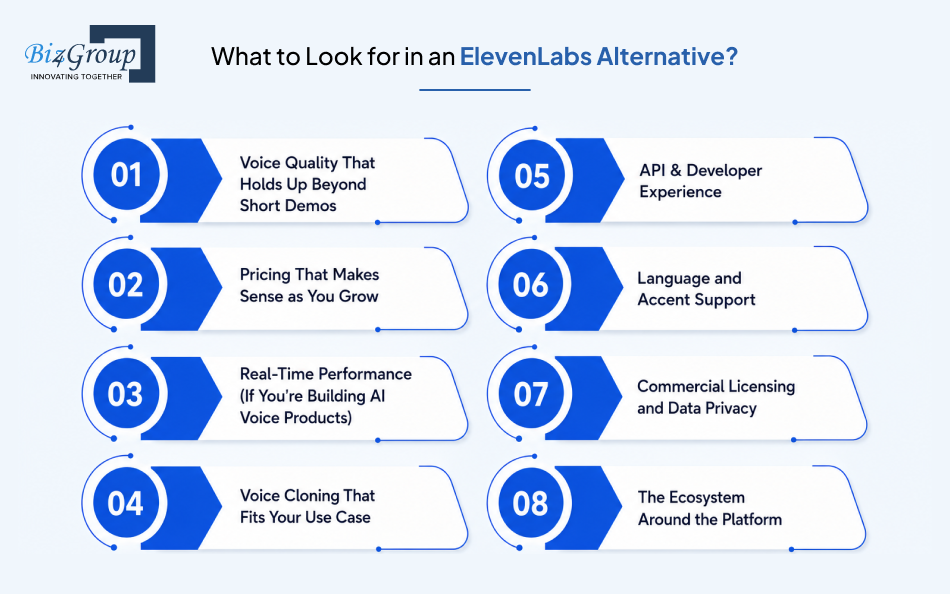
With so many AI voice platforms available today, it's easy to get distracted by impressive demos and marketing claims. But the platform that sounds amazing in a 15-second sample isn't always the one that fits your workflow, budget, or long-term goals.
So before you start comparing features, take a step back and ask yourself one question:
What do I actually need this platform to do?
Whether you're a solo creator, a growing startup, or an enterprise team, here are the factors that matter most when evaluating an ElevenLabs alternative.
Every AI voice platform can produce an impressive 10-second clip. The real test is what happens after five minutes... or fifty.
Does the voice stay consistent throughout a long narration? Does it handle pauses naturally? Can it pronounce industry-specific terms correctly without sounding robotic?
If you're creating podcasts, audiobooks, YouTube videos, or training material, these small details make a huge difference. Don't judge a platform based on a single demo. Generate longer samples before making your decision.
Here's a question that professional narrators often ask:
"I produce audiobooks and narration content professionally and I want to find the best ElevenLabs alternative that specifically delivers emotional range and vocal quality good enough for long-form narration. I do not need voice cloning or an API. I just need a platform where I can generate 60 to 90 minutes of high-quality, natural-sounding narration affordably and without the constant credit anxiety that ElevenLabs gives me."
If long-form storytelling is your priority, Murf AI, LOVO AI (Genny), and Respeecher are among the strongest alternatives to evaluate. Each offers a different balance of expressive narration, natural pacing, and commercial usability, making them well suited for audiobooks, documentaries, and professional voiceover projects.
If you're wondering whether this sounds familiar, here's a situation we've seen many creators run into:
"I have been using ElevenLabs for voiceovers on my YouTube channel and the quality is great but I am hitting my character limits constantly and the Pro plan at $99 a month is way more than I want to spend. I need to find an alternative that has similar voice quality and decent voice cloning but at a price point that makes sense for a solo creator who produces maybe 30 to 40 minutes of audio content a week."
This is one of the most common reasons creators begin exploring alternatives. The voice quality isn't the problem. The pricing model is.
Once you publish consistently, character limits can start influencing creative decisions. Instead of asking, "Can I make this video better?" you start asking, "Can I afford another five minutes of narration?"
If that's where you are, platforms like Fish Audio, LOVO AI (Genny), and Murf AI deserve a closer look because they balance natural-sounding voices with pricing that's often easier to justify for regular content production.
This is something we see product teams asking more and more often:
"We are a development team building a voice agent product for the US market and we need a text to speech API with sub-200ms latency for real-time conversational use. ElevenLabs quality is fine for offline content, but their latency is too high for the kind of live interaction our product needs. What are the best alternatives in 2026 specifically for low-latency real-time voice applications, and how do they compare on pricing at production scale?"
If you're building a conversational product, you've probably realized that voice quality is only half the equation. The other half is how quickly your AI can respond. A delay of even a few hundred milliseconds can make conversations feel unnatural, especially in customer support, AI receptionists, or voice assistants where users expect near-instant responses.
In scenarios like these, it's worth looking beyond traditional AI voice generators and evaluating platforms purpose-built for real-time interaction. Cartesia (Sonic), Deepgram (Aura), and Tabbly all prioritize low-latency voice generation and developer-friendly APIs, making them strong candidates for production-grade voice applications. When comparing them, don't just look at response times. Also consider how their pricing scales with API calls, concurrent users, and overall usage, since those costs can grow quickly as your product gains traction.
Voice cloning has become one of the biggest reasons businesses explore ElevenLabs alternatives, but not every platform approaches it the same way.
Some are designed for quick voice replication, while others focus on studio-quality cloning with greater emotional control and consistency.
If voice cloning is a key part of your workflow, look beyond the headline feature. Evaluate how realistic the cloned voice sounds, how much customization you get, and whether the platform clearly explains its consent and commercial usage policies.
If your developers are going to spend weeks integrating the platform, it doesn't matter how impressive the voices sound.
A great AI voice platform should offer clear documentation, reliable APIs, SDKs, and enough flexibility to fit into your existing product without unnecessary complexity.
After all, the goal isn't just to generate speech. It's to ship features faster.
Planning to reach audiences outside your primary market?
Then don't just check how many languages a platform supports. Instead, listen to how naturally those voices sound.
Can they handle regional accents?
Do they pronounce names and local phrases correctly?
A platform with fewer high-quality languages can often deliver a better experience than one that claims to support hundreds.
This might not matter much for hobby projects, but it's a big deal for businesses.
If you're creating client work, marketing campaigns, training content, or customer-facing applications, make sure you understand what you're actually allowed to do with the generated audio.
Can you use it commercially?
Who owns the output?
How is your data handled?
For enterprise teams, questions around compliance, privacy, and licensing often become just as important as the technology itself.
Finally, don't evaluate the platform in isolation.
Think about everything around it.
Is the documentation easy to follow?
Does the company regularly ship new features?
Can you find tutorials, community discussions, or responsive customer support when something goes wrong?
A platform with a slightly less realistic voice but a stronger ecosystem can often be the better long-term investment.
The "best" ElevenLabs alternative isn't necessarily the one with the most realistic voice or the longest feature list. It's the one that solves your problem without creating new ones.
So before choosing a platform, define your priorities first. Whether it's lower costs, better voice cloning, real-time performance, enterprise compliance, or developer-friendly APIs, knowing what matters most will make your decision much easier and help you invest in a solution that continues to meet your needs as they evolve.
|
Platform |
Best For |
Why Choose It? |
|---|---|---|
|
Murf AI |
Businesses & Professional Content |
A well-rounded AI voice platform with studio-quality voices, collaboration features, and an intuitive interface. |
|
Resemble AI |
Voice Cloning & Custom AI Voices |
Delivers advanced voice cloning with flexible deployment options for creators and enterprises alike. |
|
WellSaid Labs |
Enterprise Teams |
Built for organizations that need premium voice quality, collaboration, and enterprise-grade governance. |
|
Speechify |
Accessibility & Productivity |
Turns text into natural-sounding speech, making it ideal for accessibility, learning, and productivity. |
|
Listnr |
Multilingual Content |
Supports a wide range of languages and accents, making global content creation much easier. |
|
Respeecher |
Professional Voice Recreation |
Trusted for high-quality voice replication in media, entertainment, and commercial productions. |
|
LOVO AI (Genny) |
Marketing & Video Content |
Combines expressive AI voices with creator-friendly tools for ads, videos, and eLearning content. |
|
Tabbly |
AI Voice Agents |
Purpose-built for real-time conversational AI with a usage-based pricing model. |
|
Cartesia (Sonic) |
Low-Latency Voice Applications |
Excels at ultra-fast speech generation for AI agents, assistants, and other live voice experiences. |
|
Deepgram (Aura) |
Developers & Enterprise APIs |
Offers scalable speech APIs designed for production-grade voice applications and enterprise deployments. |
|
Fish Audio |
Affordable Voice Cloning & TTS |
Delivers natural-sounding voices and voice cloning without the premium pricing of many competitors. |
By 2026, AI voice is no longer just about sounding human. Businesses now expect control, scalability, and clear commercial usage from the best ElevenLabs alternatives. Teams are actively comparing AI text to speech tools like ElevenLabs that can support real workloads, not just demos.
In the sections below, we break down the top AI voice generator alternatives to ElevenLabs that companies are actually using today. For each platform, you will see a practical overview, key features, pros, cons, and pricing so you can decide what fits your product, budget, and growth plans.
Let’s start with one of the most commonly evaluated ElevenLabs competitors.
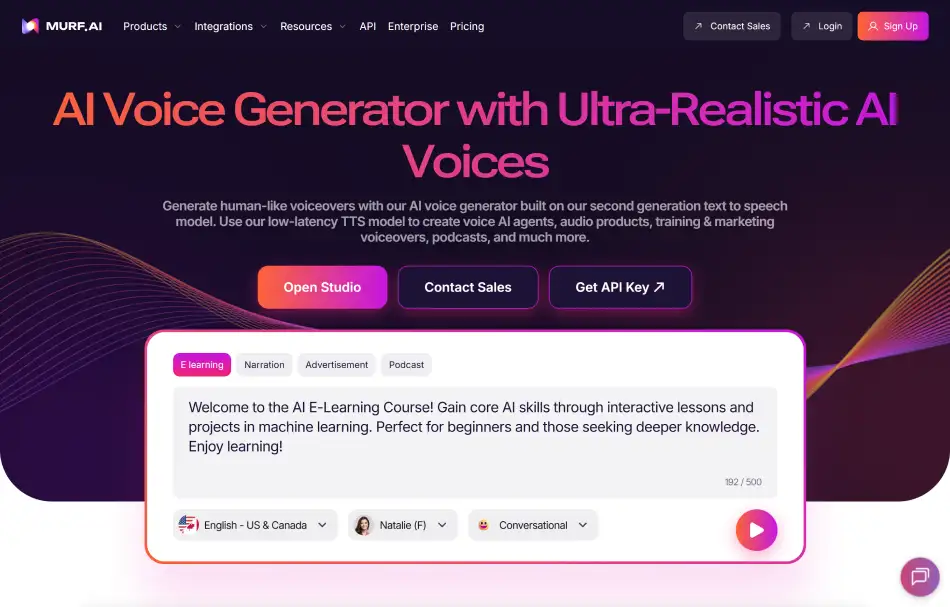
Murf AI is one of the most widely used AI text to speech tools like ElevenLabs, trusted by businesses and creators for generating high-quality voiceovers. It uses advanced neural speech synthesis to produce natural voices that work well in videos, podcasts, corporate training material, ads, and other professional content. Murf lets teams create commercially usable voice content with ease, combining an extensive voice library and customization controls that make it practical for real world use.
Murf stands out in the market because it offers features tailored for business use and content production:
All of these features make Murf a solid pick among top AI voice generator alternatives to ElevenLabs for both individual creators and business teams.
Murf AI offers several benefits that appeal to decision makers and creators:
These strengths make it one of the best ElevenLabs alternatives for teams that prioritize quality, flexibility, and business readiness.
Despite its strengths, Murf has a few limitations:
These points are worth considering, especially if your focus is highly real-time interaction or deep voice cloning workflows.
Murf AI offers multiple tiers designed for different use cases:
Pricing is structured to help teams start small and scale up as needs grow, which makes Murf a strong candidate among best ElevenLabs alternatives for business use cases.
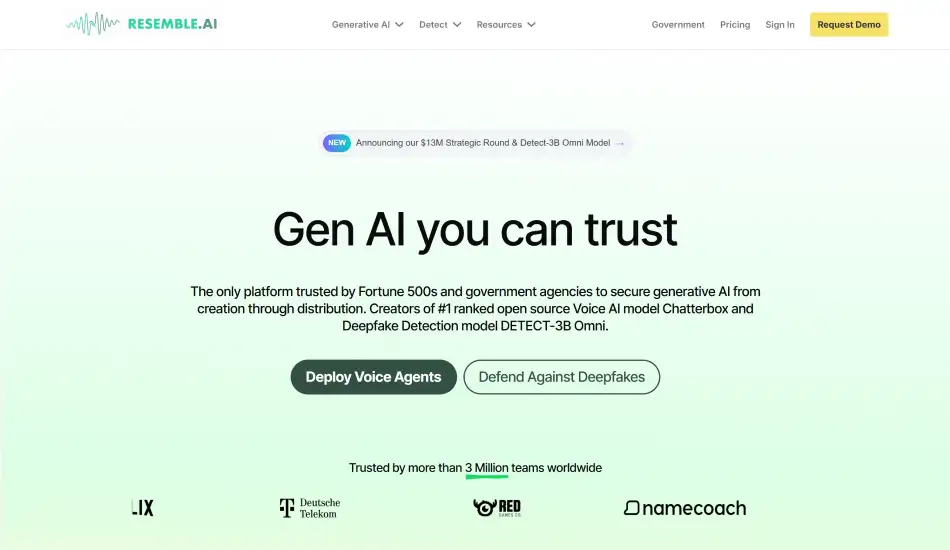
Resemble AI is a powerful AI voice synthesis platform similar to ElevenLabs that goes beyond basic text-to-speech to include rapid voice cloning, multilingual support, audio editing, and deep customization. It is designed for teams that need high-quality voice generation, scalable workflows, and integration options that fit into broader products and voice experiences. You can create tailored voice profiles, convert speech-to-speech in real time, and deploy voice models in flexible ways, including on-premises for enhanced security.
Resemble AI shines in areas where deeper control and flexibility matter:
There are a few limitations to consider:
Resemble AI offers flexible pricing options designed for both short-term experimentation and long-term business use:
Overall, Resemble AI remains one of the most adaptable and powerful ElevenLabs competitors in 2026, especially for teams that need voice cloning, real-time conversion, and enterprise-grade flexibility.
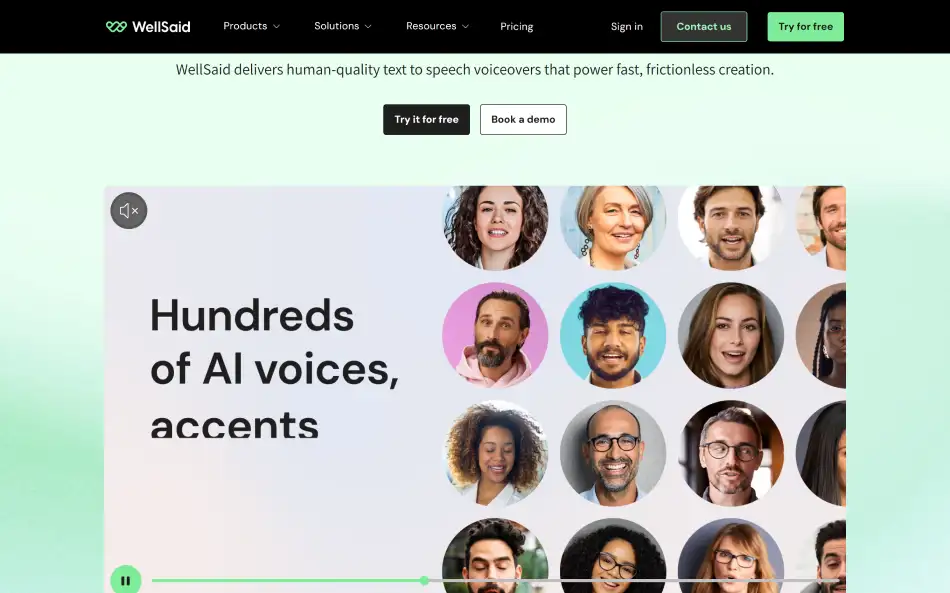
WellSaid Labs is an enterprise-first AI text to speech platform similar to ElevenLabs, designed for companies that care deeply about brand voice, consistency, and commercial safety. Instead of offering hundreds of experimental voices, WellSaid focuses on a curated set of professional voice avatars that sound clear, polished, and reliable across repeated use. It is widely used for corporate training, marketing narration, product demos, onboarding content, and internal communications where credibility matters.
If your priority is sounding professional every single time, WellSaid Labs positions itself as one of the most dependable enterprise AI voice platforms like ElevenLabs.
WellSaid Labs is built around quality control and enterprise readiness rather than experimentation.
These features make it a strong option among commercial AI voice solutions similar to ElevenLabs for enterprise use cases.
WellSaid Labs is a strong fit when professionalism and reliability are non-negotiable.
This makes it one of the best ElevenLabs alternatives for business use cases where brand reputation matters.
There are tradeoffs to be aware of before committing.
Based on the official WellSaid Labs pricing structure:
All paid plans include commercial usage rights. Higher tiers focus on collaboration, governance, and enterprise controls rather than additional voices.
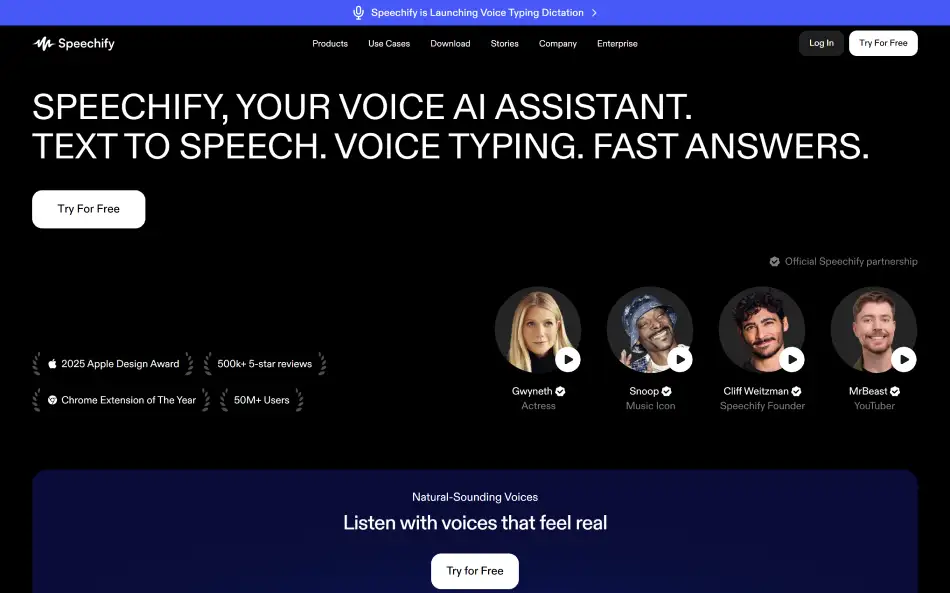
Speechify is a consumer-and-business-friendly AI voice generator platform that transforms written text into natural speech designed for listening on the go. While it serves students and individual users widely, its advanced voices and ease of use have made it popular with creators, marketers, and teams building audio content like narrated videos, learning modules, and long-form audio articles. Speechify is considered one of the best ElevenLabs alternatives, especially for use cases focused on accessibility, productivity, and content consumption.
Speechify offers a range of features that balance simplicity and quality:
These capabilities make Speechify a solid contender among AI voice generation tools for businesses that prioritize accessibility and audience engagement.
Speechify’s focus on practical workflow rather than deep customization makes it a natural pick for many teams.
Because of these points, some teams compare it as one of the top AI voice generator alternatives to ElevenLabs but with a different emphasis.
Based on Speechify’s official pricing as shown on its website:
Speechify positions its pricing around individual users and teams that prioritize accessibility, productivity, and audio consumption rather than large-scale voice generation for embedded products.
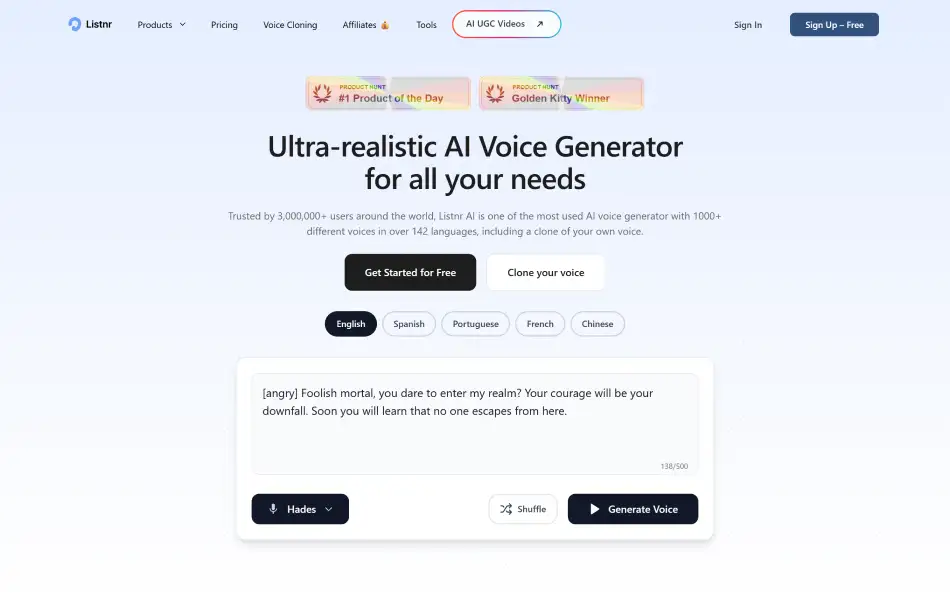
Listnr is a modern AI voice generation tool focused on helping creators and businesses produce high-quality audio content quickly. It supports a diverse range of languages and voices, making it one of the stronger AI voice synthesis platforms similar to ElevenLabs for teams producing podcasts, narrated articles, marketing audio, and localized content. Listnr emphasizes ease of use, fast turnaround, and flexibility across content types, and it is often chosen by small and medium teams looking for an accessible voice solution without heavy technical requirements.
Listnr packs several useful features designed around content creation:
These capabilities make Listnr a viable pick among top AI voice generator alternatives to ElevenLabs when your focus is audio content production and audience engagement.
Listnr is especially useful for content teams that need to create engaging audio without complex pipelines.
Because of these trade-offs, Listnr sits comfortably as a practical tool for content creation but not as a full replacement for platform-level voice solutions.
As listed on Listnr’s official pricing page:
Pricing is designed around content-centric use cases with scalability for teams that generate regular audio.
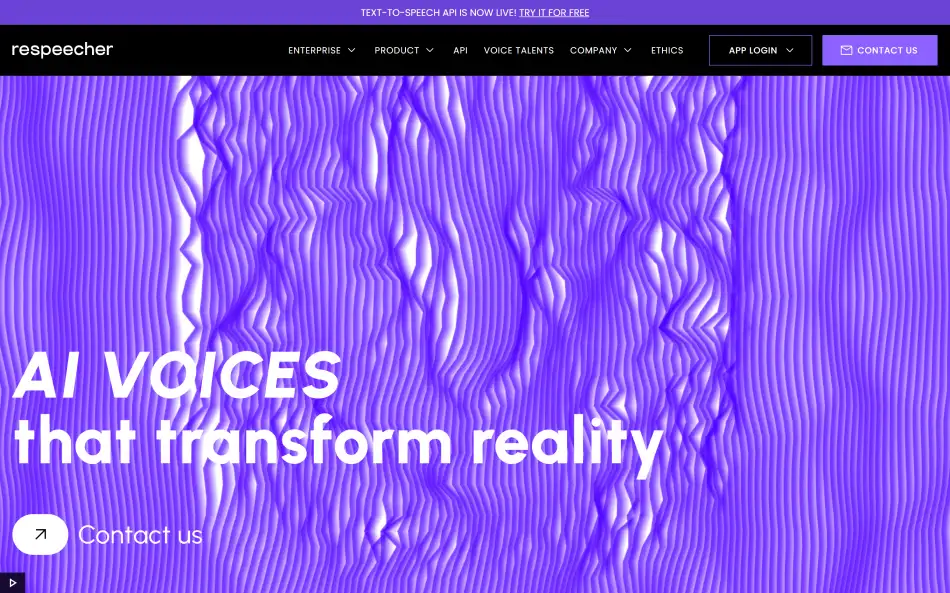
Respeecher is a professional-grade AI voice generation tool and voice cloning platform that delivers highly realistic speech using advanced synthesis and conversion technology. It is widely used by media producers, game developers, filmmakers, and content teams who need authentic voice output with nuance and expression that rivals real human performers. Because of its flexibility and pay-per-use pricing, Respeecher remains a strong contender among top ElevenLabs competitors in 2026 for both project-based work and ongoing creative workflows.
These features make Respeecher a strong choice for realistic AI voice generator alternatives like ElevenLabs when your project calls for high fidelity output.
Respeecher’s pricing is flexible and usage-based, suitable for both project work and regular subscription needs:
Pay-As-You-Go (Credits):
Subscription Plans:
These flexible pay-as-you-go and subscription options give you control over costs based on actual needs and usage.
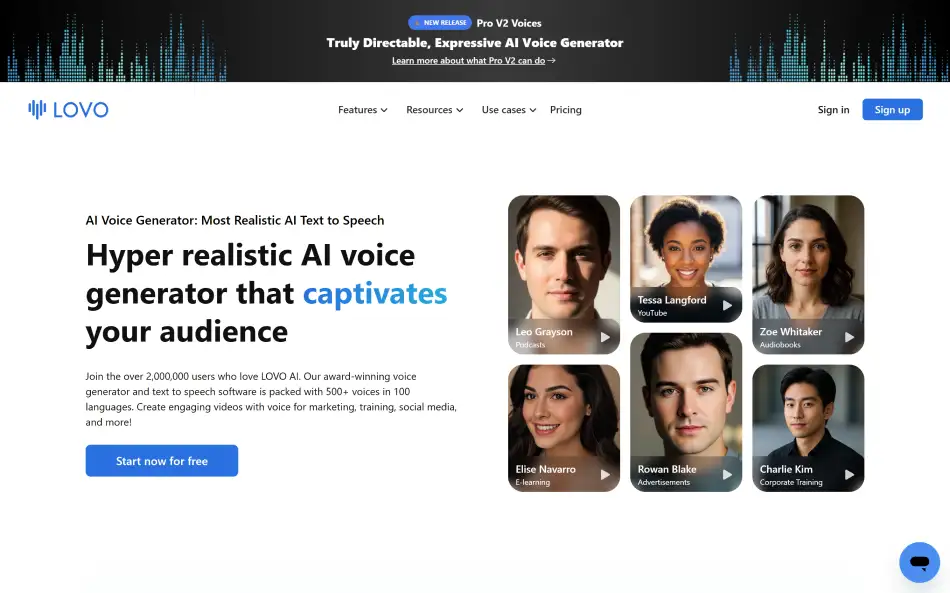
LOVO AI, also known as Genny, is a powerful and user-friendly AI voice generation platform similar to ElevenLabs that focuses on expressive, natural-sounding voices designed for content creation, marketing, eLearning, and product media. Unlike basic text-to-speech tools, LOVO AI puts emphasis on emotion-rich voice output and multilingual support, helping teams create compelling audio for audiences around the world. It is widely used by marketing teams, creators, and businesses looking for realistic AI voice generator alternatives like ElevenLabs that combine quality with ease of use.
LOVO AI offers a solid mix of features that cater to content production and business use:
These features make LOVO AI a strong choice among AI voice generation tools for businesses focused on storytelling, branding, and engagement.
This pricing structure helps teams scale from lighter use cases to enterprise-level content pipelines.
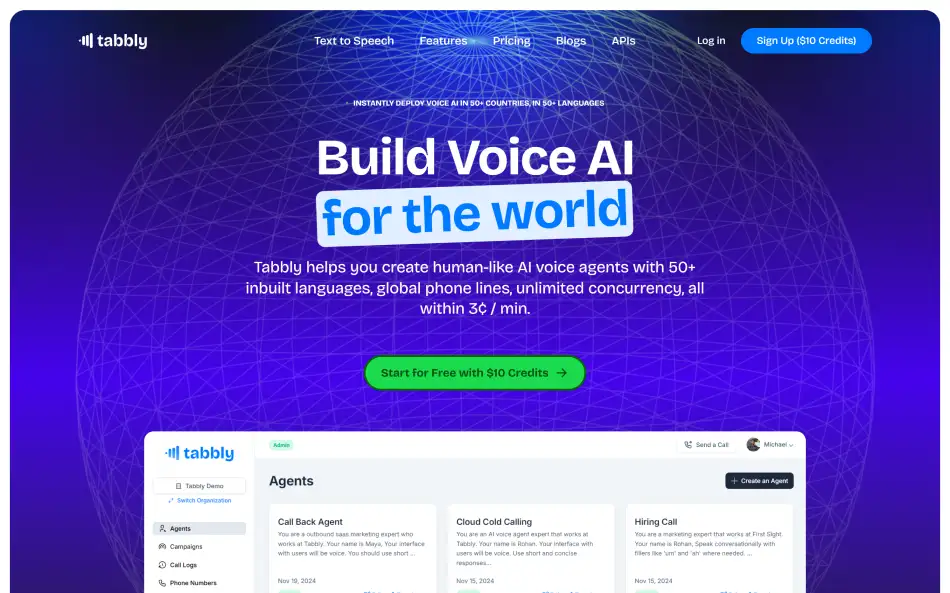
Tabbly is not a traditional text-to-speech tool like ElevenLabs. It is a real-time AI voice agent platform built for automated phone calls, conversational workflows, and voice-driven customer interactions. Tabbly is designed for businesses that want to deploy human-like voice agents for outbound calls, inbound support, follow-ups, reminders, and workflow automation. Instead of focusing on narration or content creation, Tabbly focuses on live voice conversations at scale, which makes it a very different but relevant alternative depending on your use case.
These capabilities place Tabbly closer to AI voice agent platforms than to standard AI narration tools.
There are no monthly subscription tiers. You pay purely based on minutes of live voice interaction.
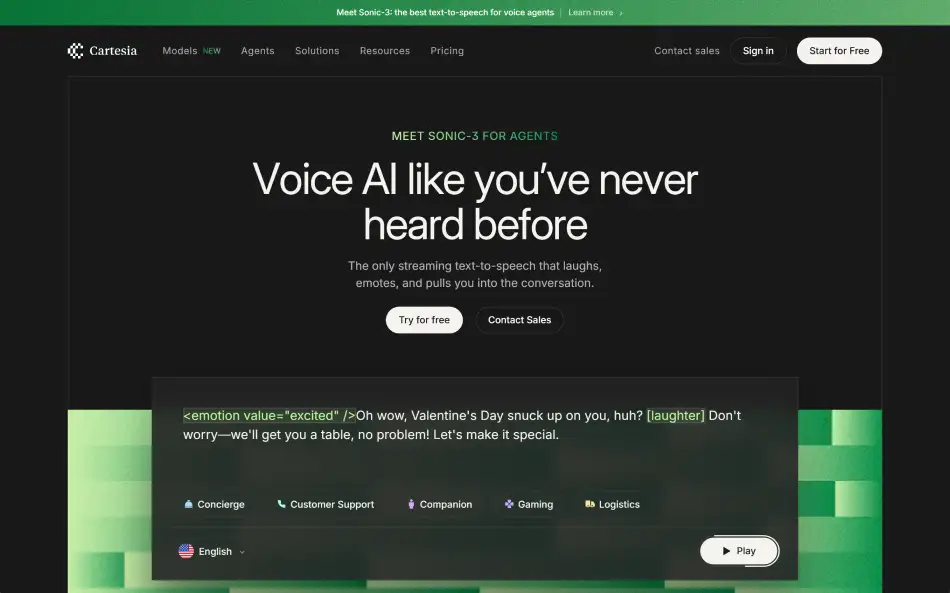
Cartesia is a developer-first AI voice generation platform similar to ElevenLabs, built specifically for real-time and streaming voice use cases. Cartesia is best known for its Sonic models, which prioritize speed, stability, and conversational clarity. Instead of focusing on studio narration or creator workflows, Cartesia is designed for teams embedding voice directly into products such as assistants, agents, and interactive applications.
These capabilities make Cartesia a strong fit among enterprise AI voice platforms like ElevenLabs when performance matters more than studio features.
Cartesia is a product infrastructure choice, not a plug-and-play voiceover tool.
Based on Cartesia’s official pricing with yearly billing:
All plans include access to Cartesia’s core products such as Sonic, Ink, and Line.
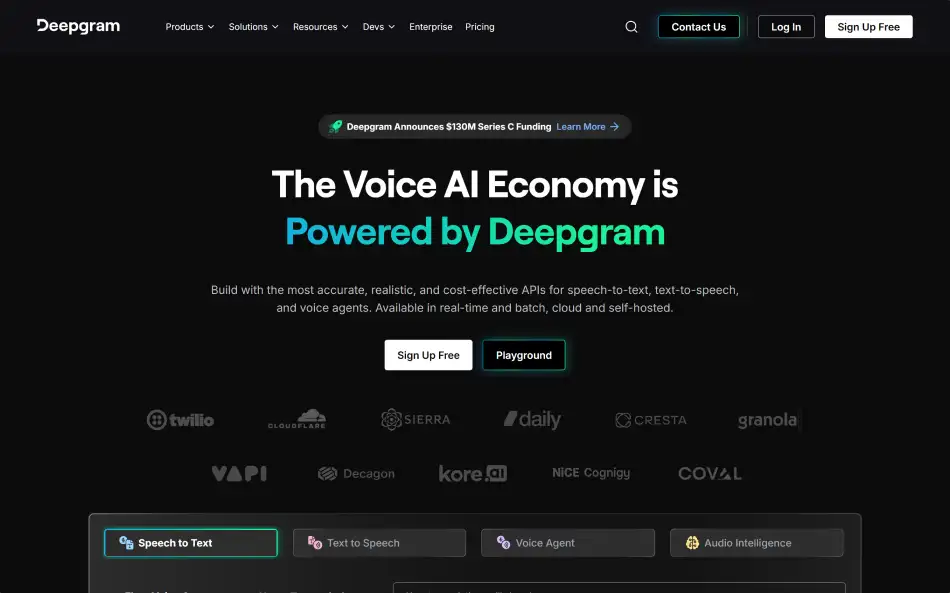
Deepgram is an enterprise-grade AI voice and speech platform trusted by product teams building large-scale, voice-enabled applications. While Deepgram is widely known for speech-to-text, its Aura text-to-speech voices make it a serious enterprise-grade ElevenLabs alternative for teams that prioritize performance, uptime, and predictable costs over creative experimentation. Deepgram is designed for production systems where voice is part of core infrastructure, not just content generation.
These capabilities make Deepgram a strong choice among enterprise AI voice platforms like ElevenLabs.
Deepgram is best viewed as infrastructure rather than a creative voice studio.
Deepgram charges for text-to-speech per 1,000 characters, with no monthly subscription required.
There are no minimum commitments, and free credits are available for testing. Enterprise agreements are available for high-volume usage, SLAs, and dedicated support.
Fish Audio is an AI voice generation and cloning platform powered by its open-weights S2 model, built for teams that need state-of-the-art voice cloning, multilingual TTS, and API performance designed for production workloads. It ranks #1 on ELO-based benchmarks for voice naturalness and supports developers building real-time conversational products as well as creators who need expressive, controllable voice output.
Fish Audio is worth evaluating for development teams that need production-grade voice cloning with broad language coverage and low-latency API delivery. For conversational AI workloads, the combination of fast first audio and multi-turn voice consistency makes it a well-rounded option.
Choosing a platform is easy. Turning it into a reliable product is the hard part. We bridge that gap for teams building serious AI voice solutions.
Talk to Our AI Experts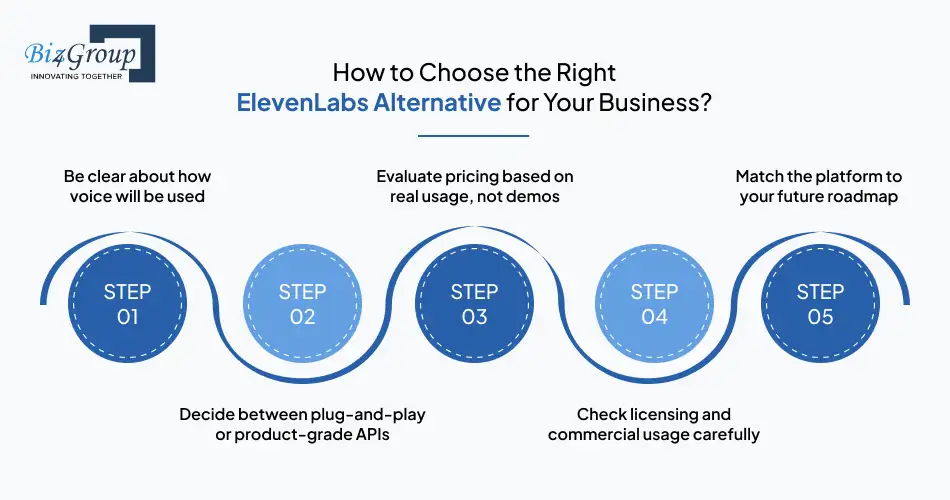
Choosing among ElevenLabs alternatives is less about which tool sounds the most realistic and more about how voice fits into your product, workflows, and long-term plans. Before you commit, walk through the steps below. They will help you avoid overpaying, underbuilding, or picking a platform that limits you later.
Start by defining whether voice is supporting your business or becoming part of the product itself. This single decision narrows your options dramatically and prevents mismatches later.
If voice drives interaction, you may also need support similar to AI agent capabilities rather than simple narration.
Some platforms are built for speed and ease, while others are built for engineering teams. Knowing which path you need saves time and cost.
If voice is part of a larger system, platforms that integrate well with AI integration services usually scale better.
Many tools feel affordable at low usage and become expensive once voice is used daily. Look beyond monthly plans and understand how pricing scales.
This step is critical when comparing affordable ElevenLabs alternatives for startups versus enterprise-grade platforms.
Voice content often ends up in public-facing products, ads, or customer interactions. Licensing clarity matters more than most teams expect.
Clear licensing is a must when evaluating commercial AI voice solutions similar to ElevenLabs.
The right choice today should not block you tomorrow. Think about how your use of voice may evolve over the next year.
This forward-looking view helps you choose among enterprise-grade ElevenLabs alternatives with confidence.
There is no single best option for everyone. The right platform depends on how deeply voice connects to your product, your users, and your growth plans. When you choose with clarity, voice becomes an asset instead of a constraint.
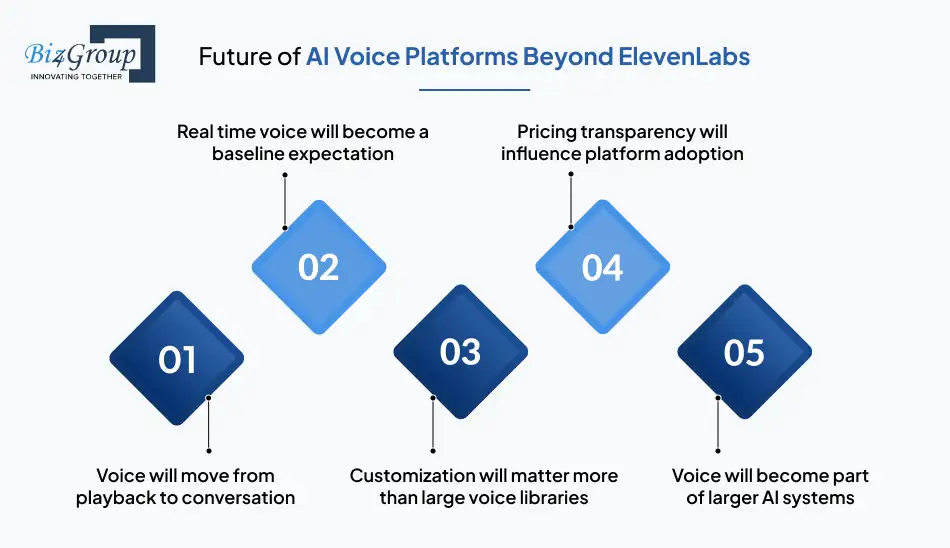
The AI voice space is evolving fast, and the choices you make today should hold up tomorrow. As more businesses evaluate ElevenLabs alternatives, the future direction of voice technology becomes a critical part of the decision.
AI voice is shifting from one-way narration to two-way interaction. Businesses are building systems where voice listens, responds, and adapts in real time instead of playing static audio. This change is driving demand for AI voice generation tools for businesses that support intelligent interaction, often paired with a conversational AI agent rather than simple text to speech.
Users increasingly expect voice responses to feel instant. Delays break trust and reduce engagement, especially in assistants and customer-facing workflows. As a result, enterprise AI voice platforms like ElevenLabs are being evaluated not just on realism, but on latency, streaming support, and production readiness.
Having hundreds of voices sounds impressive, but businesses care more about consistency. Brand tone, pronunciation control, and voice ownership are becoming top priorities. This trend favors enterprise grade ElevenLabs alternatives that allow deeper customization instead of generic voice selection.
Teams are moving away from vague subscription models toward pricing tied clearly to usage. Predictable costs matter as voice becomes embedded across products and operations. Platforms that offer clarity will win comparisons like ElevenLabs vs other AI voice generators, especially for long-term planning.
Voice is no longer a standalone feature. It is being integrated into automation, analytics, and decision-making workflows. This is where platforms that align well with enterprise AI solutions gain an edge, especially for organizations building end-to-end AI ecosystems.
The future of voice is interactive, real time, and deeply connected to your product stack. Choosing the right platform now means thinking beyond sound quality and focusing on scalability, control, and integration.
When companies explore ElevenLabs alternatives, they quickly realize that choosing a voice platform is only half the equation. The bigger challenge is turning voice technology into a reliable, scalable product that actually works for users. This is where many teams choose to partner with Biz4Group.
We help companies move beyond tools and APIs to build complete AI voice and conversational products that are production ready, user friendly, and aligned with real business goals. Our work shows how voice can become an experience, not just an output.
Below are two projects that highlight how Biz4Group applies AI voice, conversation, and interaction design in real products.
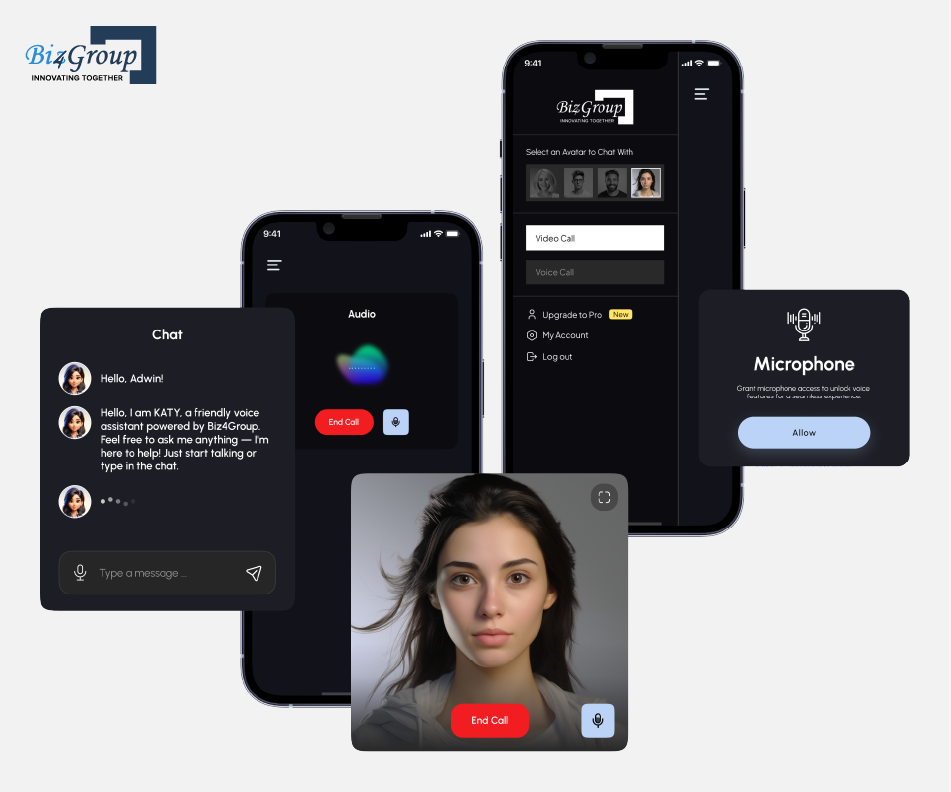
AI Wizard is an avatar-based conversational AI application built by Biz4Group that allows users to interact through voice and video calls. The product focuses on creating a human-like conversational experience rather than simple question-and-answer flows. It demonstrates how AI voice can be combined with avatars, expressions, and real-time interaction to create engaging digital companions.
Key Highlights
This project reflects Biz4Group’s strength in building AI voice agent experiences where conversation quality and responsiveness matter as much as voice realism.
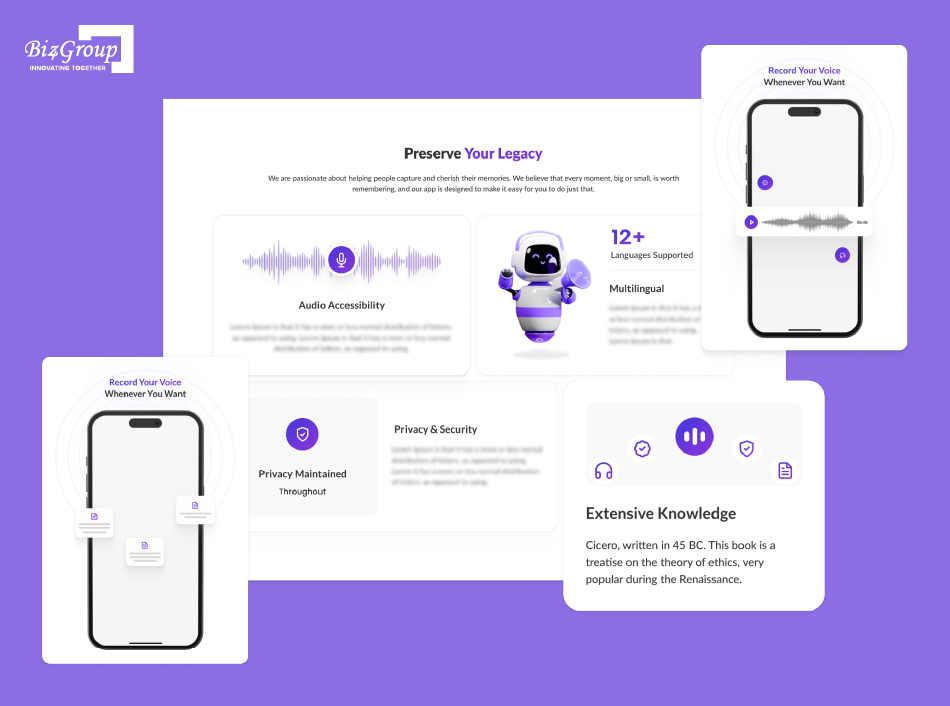
Valinor is a conversational AI platform developed by Biz4Group to help users capture, preserve, and revisit personal stories and life memories. Instead of static recordings, the platform uses conversational AI to guide users through storytelling, making the experience more natural and emotionally engaging.
Key Highlights
Valinor shows how AI voice and conversation can be used to build deeply personalized user experiences, aligning with the future direction of AI voice platforms that focus on interaction rather than playback.
Companies choose Biz4Group because we understand that voice is rarely a standalone feature. It is part of a broader system that includes conversation design, user experience, scalability, and long-term product vision.
Whether you are building voice assistants, conversational platforms, or next-generation AI products, our experience helps bridge the gap between AI voice technology and real-world product execution. This is exactly what teams look for when evaluating and implementing alternatives to ElevenLabs in serious, customer-facing applications.
From conversational design to scalable deployment, we build AI voice and conversational products that users actually engage with.
Build with Biz4GroupBy now, one thing should be clear. The rise of ElevenLabs alternatives is not about chasing better voices alone. It is about choosing platforms that fit how your product works today and how it will scale tomorrow. From creator-focused tools to enterprise AI voice platforms like ElevenLabs, the market in 2026 offers strong options for different needs, budgets, and technical depths.
What separates successful implementations from failed experiments is execution. Voice becomes powerful only when it is designed thoughtfully, integrated cleanly, and aligned with real user behavior. That is where many teams struggle, even after selecting the best ElevenLabs alternatives for business use cases.
At Biz4Group, we have spent years building AI-driven products where conversation, interaction, and user experience matter. Our work across AI voice companions, conversational platforms, and personalized AI systems gives us a practical understanding of what works beyond demos. We help companies move from comparing top ElevenLabs competitors in 2026 to deploying solutions that are reliable, scalable, and ready for real users.
Whether you are exploring AI voice generation tools for businesses, planning an interactive voice experience, or building a product where conversation is core, the right partner makes the difference between testing technology and shipping impact.
Companies often need more than just high-quality voices. They look for better pricing transparency, enterprise-ready APIs, broader customization, and commercial licensing that fits their products and workflows. Many teams also require solutions that integrate with broader systems or support interactive experiences rather than simple narration. This drives interest in best ElevenLabs alternatives that offer flexibility and scalability.
The leading options include tools that emphasize realistic voices, enterprise support, and product integrations. These span from expressive creator-focused tools to enterprise AI voice platforms like ElevenLabs that handle production workloads, real-time usage, and deep API access. You’ll find a range of capabilities that suit content creation, customer engagement, and embedded product voice features.
Some alternatives focus on different strengths. Certain tools are optimized for enterprise reliability and scale rather than emotional nuance, while others bring expressive voices suited to marketing, storytelling, or brand engagement. Quality varies based on use case, but many realistic AI voice generator alternatives like ElevenLabs deliver voices that are indistinguishable from human narration for practical business needs.
Yes, several competitors provide voice cloning with just a small amount of source audio. They allow you to create custom voices that represent your brand or persona. This feature is particularly useful for creating consistent voice identities across products, campaigns, and experiences without recurring licensing costs.
Pricing varies widely. Some platforms use character-based billing tied to generation volume, while others use monthly or tiered subscription plans with commercial rights included. It’s important to evaluate pricing based on expected usage, as real product deployments can cost more than simple demo trials or free tiers.
Many do. Enterprise-focused platforms support high concurrency, API access, low latency, and compliance controls. These are important for integrating voice into customer support workflows, training systems, automation pipelines, and embedded product features. Choosing a solution that fits AI voice generation tools for businesses often requires looking beyond simple TTS features.
Start by defining how you intend to use AI voice: content creation, real-time interaction, customer support automation, or product embedding. Then weigh factors like pricing, customization, API support, and enterprise readiness against your long-term goals. A clear decision framework will help you compare top ElevenLabs competitors in 2026 with confidence and select a platform that aligns with both product strategy and budget.

with Biz4Group today!
Our website require some cookies to function properly. Read our privacy policy to know more.