 Location :
Orlando, FL, USA
Location :
Orlando, FL, USA +1 (407) 714-1616
 info@biz4group.com
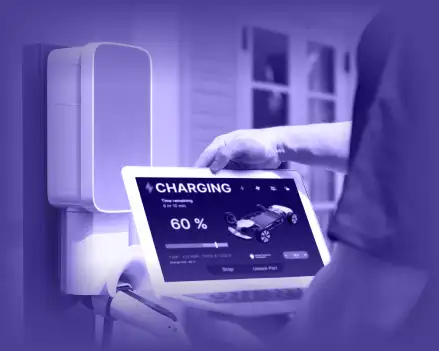
- AI chatbot development for EV charging systems helps operators handle real-time support, reduce charger downtime, and deliver consistent user experiences.
- EV charging platforms use chatbots to manage session issues, payments, and account queries that connect directly to live charger and backend data.
- Operators build AI powered EV charging chatbots to scale support without scaling teams, especially during peak travel hours, outages, or rapid network expansion.
- EV charging infrastructure growth and rising digital support adoption indicate strong long-term demand for AI driven support systems in mobility platforms.
- The typical cost ranges between 15,000 and 100,000 USD, which is a ballpark figure influenced by integrations, network size, and automation depth.
- Long term success depends on choosing the right architecture, governance, and execution approach so chatbots grow alongside EV charging networks.
It usually starts with a small issue. A charger shows available but refuses to start. A payment goes through but the session does not. A driver opens the app, looks for help, and finds delays instead of answers. For EV charging operators, these moments add up fast. This is where AI chatbot development for EV charging systems quietly reshapes how support works, and why the next questions matter.
- AI chatbot for ev charging stations
- how to build a chatbot for EV charging support
- can EV chatbot help users find EV chargers
- AI chatbot for EV charging app development
- using AI chatbot to manage EV charging queries
The timing is not accidental.
- The global electric vehicle charging market valuation is forecasted to reach USD 125+ billion by 2030.
Once you sit on the operator side, the pattern becomes obvious. Support tickets spike the moment networks scale. Every new charger adds complexity, not just capacity. Users expect instant answers, clear guidance, and zero friction, even when hardware or payments fail. This is often where teams start conversations with an AI app development company, not to add features, but to regain operational balance.
For operators and product leaders, this is less about automation and more about control. AI chatbot development for EV charging networks gives you a way to manage real-time conversations across apps, stations, and platforms without overwhelming human teams.
As expectations rise and networks expand, the decision to develop AI chatbot for EV charging support becomes part of building infrastructure that feels responsive, reliable, and ready for what comes next.
What Are AI Chatbot Solutions for EV Charging Systems?
At its core, AI chatbot development for EV charging systems is about giving your charging network a conversational brain that understands users, responds in real time, and connects directly with your platform data to resolve issues without friction.
- Acts as a single support layer across apps, stations, and digital touchpoints
- Connects with charging status, payment flows, and user accounts
- Uses intent recognition to handle repetitive and urgent queries instantly
- Relies on secure backend connections enabled through AI integration services
- Scales support without expanding human teams
For operators looking to build AI powered EV charging chatbots, this approach creates a consistent support experience that feels immediate, reliable, and aligned with how EV users expect systems to respond today.
How AI Powered EV Charging Chatbots Operate Across Platforms?
At a practical level, AI chatbot development for EV charging systems works by connecting conversations with real operational data. What users experience as a simple chat is supported by multiple layers working together behind the scenes.
1. User Input Meets Intent Recognition
The chatbot receives messages from mobile apps, station interfaces, or web portals and analyzes intent using language models trained for EV charging scenarios such as session failures, payment issues, and account access. This allows the system to understand context instead of reacting to keywords alone.
2. Conversation Connects to Live Charging Systems
Once intent is identified, the chatbot pulls real time data from charging stations, user profiles, and transaction systems. This is how teams create AI chatbot solutions for EV charging systems that respond based on actual platform conditions rather than static scripts.
3. Actions and Escalations Happen Instantly
Based on the response logic, the chatbot resolves the issue directly or routes the conversation to human support with full context attached. Many operators rely on AI chatbot integration to reduce repetitive tickets and maintain consistent support across channels.
|
Layer |
What It Does |
Why It Matters |
|---|---|---|
|
User Interface |
Captures queries from apps and stations |
Keeps access simple for drivers |
|
Intelligence Layer |
Interprets intent and context |
Prevents irrelevant responses |
|
System Integration |
Connects to chargers and payments |
Enables real time accuracy |
|
Resolution Flow |
Automates answers or escalations |
Reduces support workload |
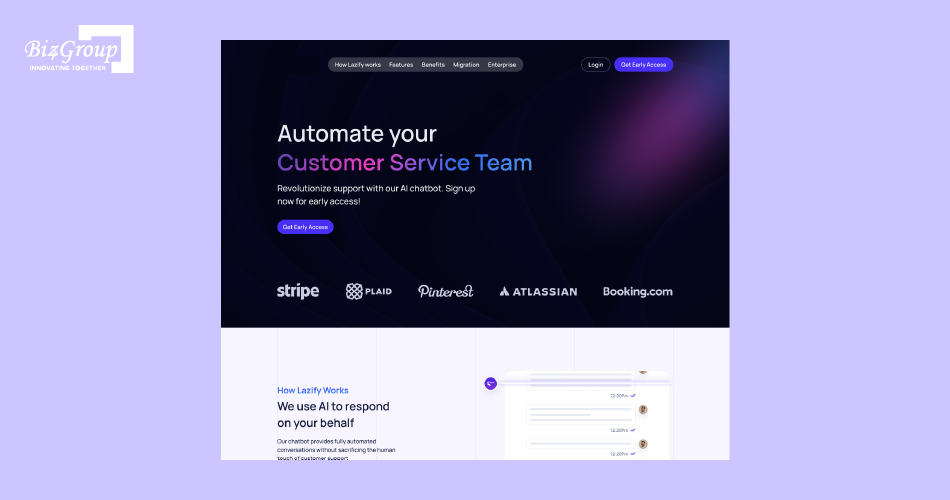
Biz4Group developed an AI driven chatbot platform designed to handle complex, multi-turn customer conversations with near human accuracy. The solution focused on intent recognition, contextual memory, and seamless escalation handling. These same conversational foundations are directly applicable when building AI chatbots for EV charging systems, where clarity, continuity, and trust matter during high friction moments.
When teams build AI powered EV charging chatbots, the focus stays on reliability and operational clarity. That foundation naturally leads into understanding why this capability becomes a strategic investment as charging networks expand.
Is Your EV Support Built for Real-World Failures?
See how AI chatbot development for EV charging systems handles live sessions, failed payments, and charger issues without overwhelming support teams.
Explore EV Chatbot StrategyWhy Invest in AI Chatbot Development for EV Charging Systems?
As EV networks expand, support expectations rise faster than infrastructure can scale. AI chatbot development for EV charging systems shifts from being an experiment to becoming a practical layer that keeps operations stable as usage grows.
1. Support That Scales with Network Growth
Charging networks grow across locations, users, and usage patterns at the same time, which quickly increases support demand. EV charging chatbot software development allows operators to manage higher query volumes without proportionally increasing support headcount while maintaining consistent response quality.
2. Reduced Downtime Through Faster Resolution
Real-time responses help users resolve issues before they escalate into prolonged outages. When operators build virtual assistants for EV charging stations, they reduce charger idle time by guiding users through troubleshooting steps based on live system context.
3. Operational Control Without Heavy Overhead
Structured conversations improve issue categorization, escalation accuracy, and reporting. Many teams pair custom AI chatbot development for EV infrastructure with AI consulting services to align chatbot behavior with operational workflows and internal processes.
4. Future Ready Support Architecture
A chatbot driven support layer makes it easier to introduce new features, integrations, and channels over time. Organizations often collaborate with an AI chatbot development company to ensure the architecture remains flexible as platforms and user expectations evolve.
Investing at this stage creates a foundation for more advanced interactions. Having covered the reasons for investing in EV charging chatbot software development, now it’s time to dive into the real-world use cases across the charging lifecycle.
Key Use Cases of AI Chatbot Development for EV Charging Systems

As charging networks scale, support conversations multiply across apps, stations, and platforms. AI chatbot development for EV charging systems transforms these conversations into structured, real time interactions that address recurring operational challenges through practical, well defined use cases.
1. Station Discovery and Availability Assistance
Drivers frequently need quick answers about nearby chargers, availability, and connector compatibility while on the move. When teams develop intelligent EV charging support chatbots, they enable real time access to accurate station data within a single conversation, a capability often supported by AI automation services connected to live location and charger status feeds.
- Example: A driver requests the nearest available fast charger and receives live options based on location and charger availability.
2. Charging Session and Payment Support
Interruptions during charging sessions or payment failures require immediate clarity to avoid user frustration. Operators who create AI driven customer support chatbots for EV charging allow users to troubleshoot sessions, confirm transactions, and understand billing directly through chat, commonly achieved when teams integrate AI into an app used by drivers or fleet managers.
- Example: A user follows guided steps in chat after a charging session stops unexpectedly.
3. Account and Subscription Management
Managing plans, invoices, and usage data generates consistent support demand across networks. Through AI conversational software development for EV charging platforms, chatbots handle account level requests securely, relying on AI model development aligned with platform policies and access controls.
- Example: A fleet manager checks subscription limits and monthly usage through chat.
4. Issue Escalation and Support Routing
Some issues require human intervention, but resolution speed depends on context. Teams that build AI powered chatbots for EV charging customer support ensure escalations include charger ID, error codes, and session history, enabling faster and more accurate handling by support teams.
- Example: A hardware fault is escalated with diagnostic details already attached.
|
Use Case |
Primary Benefit |
Operational Impact |
|---|---|---|
|
Station Discovery |
Faster charger access |
Reduced user friction |
|
Session Support |
Real time troubleshooting |
Improved charger uptime |
|
Account Management |
Self-service access |
Lower support load |
|
Smart Escalation |
Context rich handoff |
Faster issue resolution |
As these use cases mature, operators naturally begin evaluating the capabilities required to support them consistently, which leads into the discussion around the essential features needed to keep this support layer reliable at scale.
Must Have Features in AI Chatbot Development for EV Charging Systems
Once the foundation is in place, value comes from what the chatbot can reliably do every day. AI chatbot development for EV charging systems depends on a set of core features that keep support accurate, fast, and consistent across growing networks.
|
Core Feature |
What It Enables for EV Charging Operations |
|---|---|
|
Intent Recognition |
Understands user queries related to charging, payments, and accounts without rigid command inputs |
|
Real Time Charger Status Access |
Provides live availability, fault status, and session updates directly in conversations |
|
Session Troubleshooting Logic |
Guides users through common charging issues based on actual charger and session data |
|
Payment and Billing Support |
Handles questions related to failed payments, receipts, refunds, and pricing clarity |
|
Account and Profile Management |
Supports plan details, usage history, and subscription level queries securely |
|
Cross-Platform Availability |
Works consistently across mobile apps, web portals, and station interfaces |
|
Smart Escalation Handling |
Routes complex issues to human support with full context attached |
|
Analytics and Conversation Logs |
Captures structured insights for improving operations and support workflows |
|
Security and Access Controls |
Ensures only authorized users can access sensitive charging and account data |
These features form the baseline of a dependable support layer. As teams begin evaluating scope, scale, and AI chatbot development cost for EV charging platforms, attention naturally shifts toward advanced capabilities that further improve efficiency and user experience.
Turn Charging Issues Into Resolved Conversations
Understand how teams build AI powered EV charging chatbots that keep drivers informed and chargers operational during peak demand.
Design My EV Support FlowAdvanced Features for AI Driven Customer Support Chatbots for EV Charging
Once core capabilities are stable, differentiation comes from intelligence and foresight. AI chatbot development for EV charging systems moves into an advanced stage when chatbots begin anticipating issues, adapting responses, and supporting complex operational decisions across growing networks.
1. Predictive Issue Detection and Proactive Support
Advanced chatbots analyze historical session data and charger behavior to flag potential failures before users report them. Predictive analytics allow operators to create AI chatbots for EV charging station troubleshooting that reduce downtime through early intervention. Many teams enable this using generative AI trained on fault patterns and resolution history.
2. Context Aware Multi Turn Conversations
Instead of treating each message as isolated, the chatbot maintains conversation memory across interactions. This creates a more natural AI conversation app experience where users do not need to repeat details or restate issues. The result is smoother support that feels informed rather than reactive.
3. Dynamic Escalation Based on Business Rules
Advanced logic determines when to escalate based on charger type, user profile, or fault severity. This is especially valuable when operators create AI driven EV charging support chatbots for businesses managing fleets or enterprise accounts. It aligns support priority with operational impact.
4. Personalized Support Across User Segments
Chatbots adjust responses based on driver behavior, subscription tier, or fleet role. This capability is often designed during AI assistant app design to ensure relevance without exposing sensitive data. Personalization improves resolution speed while preserving consistency.
5. Operational Insights and Decision Support
Beyond conversations, advanced chatbots surface trends, recurring issues, and performance metrics to internal teams. Operators who develop AI chatbot software for EV infrastructure companies use these insights to refine support workflows and infrastructure planning. This elevates the chatbot from support tool to operational asset.
As these advanced capabilities come into play, attention naturally shifts toward how such systems are actually built, integrated, and maintained, which leads into the practical development process behind them.
Step by Step Process to Develop AI Chatbot Software for EV Infrastructure Companies
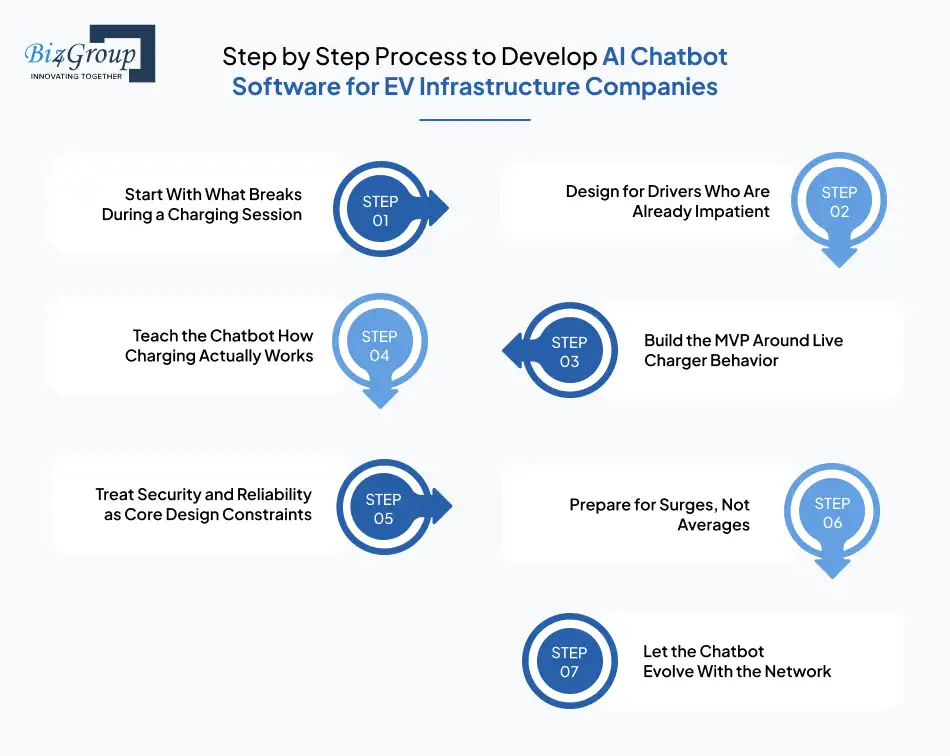
Building a chatbot for charging networks is not a feature exercise. AI chatbot development for EV charging systems is about supporting physical infrastructure where sessions fail, payments stall, and drivers expect answers immediately. The steps below reflect how real EV networks behave, not how generic support tools are built.
1. Start With What Breaks During a Charging Session
Most EV charging issues are not abstract. They happen mid-session, under time pressure, often in public spaces. Before anything is designed, teams need clarity on where drivers actually get stuck and where operators lose visibility.
- Look beyond tickets and analyze failed sessions, retry patterns, and abandoned charges.
- Identify which moments create the most frustration and revenue leakage.
This is usually where teams first clarify what is the process of creating an AI Chatbot for EV Charging Systems in a way that delivers real operational value.
2. Design for Drivers Who Are Already Impatient
Charging support rarely happens in calm conditions. Drivers want fast, obvious guidance while standing next to a vehicle. UX decisions here directly impact whether the chatbot gets used or ignored. It’s recommended that you partner with a UI/UX development company for the best output.
- Shape conversations around live charging states, not generic menus.
- Reduce typing and decision fatigue during active sessions.
- Keep experiences consistent across mobile apps, dashboards, and station screens through thoughtful UI/UX design
Also read: Top UI/UX design companies in USA
3. Build the MVP Around Live Charger Behavior
In EV charging, a chatbot without live data is just a help widget. Early development via MVP development services must connect directly to chargers, sessions, and errors so the system can act, not just explain.
- Prioritize real-time availability, session status, and fault interpretation.
- Translate charger and OCPP events into clear, human guidance.
- Keep the architecture flexible so the system can grow through MVP development
Also read: Top 12+ MVP Development Companies to Launch Your Startup in 2026
4. Teach the Chatbot How Charging Actually Works
Charging conversations are highly situational. A payment issue before starting a session is very different from a disconnect mid-charge. The intelligence layer must understand those differences.
- Train AI models on real session timelines and error recovery paths.
- Tie responses directly to telemetry and session stages.
- This depth is essential when teams develop AI chatbot software for EV infrastructure companies operating across multiple charger types and regions.
5. Treat Security and Reliability as Core Design Constraints
Charging platforms handle money, location data, and user identities. Any support system touching these areas must behave predictably, even when networks are under stress.
- Apply strict access controls for account and billing conversations.
- Test behavior during partial outages and degraded connectivity.
- Compare outcomes realistically when weighing AI chatbot vs human support for EV charging services in high-risk scenarios.
Also Read: Software Testing Companies in USA
6. Prepare for Surges, Not Averages
EV charging demand is uneven by nature. Weather, travel peaks, and outages can flood support channels without warning. The chatbot must hold up when it matters most.
- Deploy on infrastructure that scales instantly.
- Align chatbot availability with charger uptime expectations.
This is a core consideration for AI chatbot solutions for EV charging network operators managing large public networks.
7. Let the Chatbot Evolve With the Network
Charging networks never stand still. New chargers, pricing rules, and firmware updates constantly reshape support needs.
- Use conversation data to spot recurring infrastructure weaknesses.
- Expand capabilities as services and regions grow.
Track impact alongside AI chatbot development cost for EV charging systems to ensure long-term efficiency.
This approach keeps the chatbot grounded in how charging networks actually function. With the process defined, the next logical question becomes how to choose the right technology stack and understand the cost trade-offs behind it.
From Architecture to Execution, Done Right
Plan AI chatbot solutions for EV charging networks that connect cleanly with protocols, payments, and real time data.
Talk to a Technical ExpertIdeal Tech Stack and AI Chatbot Development Cost for EV Charging Systems
The tech stack behind an EV charging chatbot determines how reliably it can read charger states, handle payments, and respond during peak usage. For AI chatbot development for EV charging systems, the stack must be integration first.
|
Label |
Preferred Technologies |
Why It Matters |
|---|---|---|
|
Frontend Framework |
ReactJS, VueJS |
Chat interfaces must stay responsive during active charging sessions, which is why many teams rely on ReactJS development for fast, state driven updates |
|
Server Side Rendering & SEO |
NextJS, NuxtJS |
Faster initial loads matter in low connectivity locations, making NextJS development useful for rendering chat interfaces reliably |
|
Backend Framework |
NodeJS, Python |
Event driven NodeJS development paired with Python development supports real time charger data handling and backend AI workflows |
|
REST APIs, GraphQL |
EV chatbots rely on APIs to talk to chargers, payments, and user systems. |
|
|
AI & Data Processing |
NLP models, LLMs |
Allows the chatbot to understand charging specific intents instead of treating conversations like generic support |
|
Real Time Communication |
WebSockets, MQTT |
Live charger status and session updates depend on persistent connections, especially during active charging |
|
Charging Protocol Integration |
OCPP, OCPI |
Direct protocol access lets the chatbot interpret fault codes and session events accurately |
|
Payment & Billing Integration |
Stripe, PayPal, Custom Gateways |
Billing issues are time sensitive, and tight gateway integration reduces failed or disputed transactions |
|
Cloud Infrastructure |
AWS, Azure, GCP |
Charging demand spikes unpredictably, and cloud platforms support instant scaling when usage surges |
|
Analytics & Observability |
Prometheus, Grafana, ELK Stack |
Helps correlate chatbot resolution rates with charger uptime and network health |
|
Security & Access Control |
OAuth, JWT, Role Based Access |
Protects payment data and ensures drivers, fleets, and operators see only what they should |
This stack reflects how EV charging platforms actually operate, with hardware, protocols, APIs, and users all interacting in real time. With the technical layers clearly defined, the next logical step is breaking down how these choices influence cost, scope, and long term scalability.
Cost to Create AI Chatbot Solutions for EV Charging Systems
The cost of building a production ready chatbot varies based on scope, integrations, and scale. For AI chatbot development for EV charging systems, budgets typically fall between 15,000 and 100,000+ USD, which should be treated as a ballpark figure rather than a fixed quote.
|
Cost Tier |
Typical Scope |
What You Actually Get |
|---|---|---|
|
MVP-Level AI Chatbot for EV Charging Systems |
15,000 to 30,000 USD |
Basic chatbot connected to charger availability, simple session queries, and limited payment support, often used to validate early adoption |
|
Mid-Level Platform AI Chatbot for EV Charging Systems |
30,000 to 60,000 USD |
Deeper integration with charging systems, session troubleshooting, account support, and analytics suitable for growing EV charging networks |
|
Enterprise-Grade AI Chatbot for EV Charging Systems |
60,000 to 100,000+ USD |
Full scale chatbot with multi network support, advanced AI logic, security controls, analytics, and integration across apps, chargers, and backend systems |
What drives cost is not the chat interface itself but how deeply it connects to live infrastructure. Real-time charger data, payment systems, protocol handling, and scalability requirements all influence effort. Teams approaching this as enterprise AI solutions typically invest more upfront to avoid operational limitations later.
For operators planning AI chatbot development for EV charging networks, cost decisions usually align with rollout strategy, network size, and long-term support goals rather than short term feature lists.
Once cost expectations are clear, attention naturally shifts toward how these systems can generate value beyond support, which brings monetization opportunities into focus.
Revenue Models Enabled by AI Chatbot Solutions for EV Charging Networks
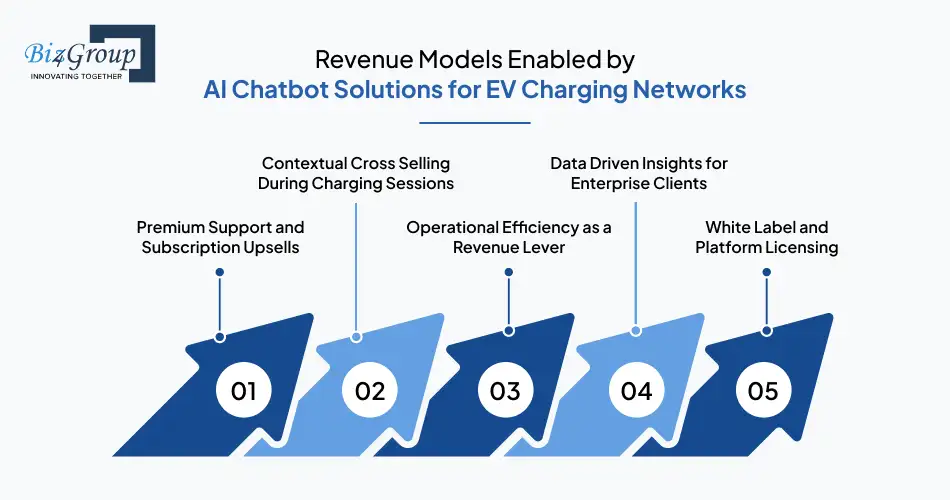
Once support becomes reliable, monetization opportunities start to surface naturally. AI chatbot development for EV charging systems does more than reduce costs. It opens new ways for operators to generate value from everyday charging interactions.
1. Premium Support and Subscription Upsells
Chatbots can act as a gateway to higher tier services by offering faster resolution, priority routing, or advanced insights for subscribed users. This works especially well when operators develop AI chatbot for EV charging support that differentiates experiences by plan type.
- Example: Fleet customers receive priority troubleshooting and usage insights through a paid support tier while regular users access standard chat assistance.
2. Contextual Cross Selling During Charging Sessions
Charging time creates a natural engagement window. When teams build AI powered EV charging chatbots, they can surface relevant add-ons such as faster chargers, extended parking, or partner services without interrupting the session flow.
- Example: A driver charging at a busy location receives an option to reserve a faster charger at a nearby station for an added fee.
3. Operational Efficiency as a Revenue Lever
Reducing downtime and support overhead directly improves margins. Many operators treat this as indirect revenue, especially when chatbot deployment is part of broader business app development using AI across their charging ecosystem.
- Example: Fewer manual support interventions allow the same team to manage a larger network without increasing headcount.
4. Data Driven Insights for Enterprise Clients
Chatbots generate structured data around charging behavior, failures, and user intent. When operators create AI chatbot solutions for EV charging systems, these insights can be packaged as analytics offerings for fleet operators or enterprise partners.
- Example: Fleet managers receive monthly reports on charger reliability and session success rates generated from chatbot interactions.
5. White Label and Platform Licensing
Charging platforms with mature chatbot capabilities can license the solution to regional operators or utilities. This model is often adopted by teams working with a custom software development company or an AI development company to ensure flexibility and branding control.
- Example: A regional utility deploys the chatbot under its own brand while using the same backend logic.
As revenue opportunities mature, sustaining them depends on consistency and trust. That naturally brings attention to best practices that keep chatbot driven monetization aligned with long term network reliability and user expectations.
Is Your EV Support Built for Real-World Failures?
See how AI chatbot development for EV charging systems handles live sessions, failed payments, and charger issues without overwhelming support teams.
Explore EV Chatbot StrategyBest Practices for AI Chatbot Development for EV Charging Systems
Long term success depends on discipline, not features. AI chatbot development for EV charging systems works best when teams follow proven practices that respect live infrastructure, real user behavior, and operational constraints, which is where the following principles matter most.
1. Design Around Live Charging States
Chatbots should respond differently based on whether a session is starting, active, failed, or completed. This approach keeps EV charging chatbot software development aligned with how chargers actually behave in the field. Context driven responses reduce confusion and repeat queries.
2. Balance Automation with Clear Escalation Paths
Not every issue should be handled automatically, especially when hardware or safety is involved. Combining structured flows with human handoff avoids overreliance on generative AI while keeping support predictable and trustworthy.
3. Keep Conversations Short and Action Focused
Drivers often interact with support while standing next to a vehicle. When teams build virtual assistants for EV charging stations, conversations must guide users toward the next clear action instead of offering long explanations. Brevity improves resolution speed.
4. Build for Change, Not Just Launch
Charging networks evolve constantly with new chargers, pricing models, and firmware updates. Teams that hire AI developers early and partner with a software development company in Florida plan for adaptability so the chatbot logic can evolve without major rewrites or downtime.
Following these practices helps teams avoid fragile implementations and focus on reliability. As platforms mature, custom AI chatbot development for EV infrastructure naturally brings attention to the challenges teams face and how those challenges can be addressed thoughtfully.
Future-Proof Your Charging Support Layer
Build with foresight using AI conversational software development for EV charging platforms that scale as networks evolve.
Plan for ScaleWhat’s Next for AI Chatbot Development for EV Charging Networks
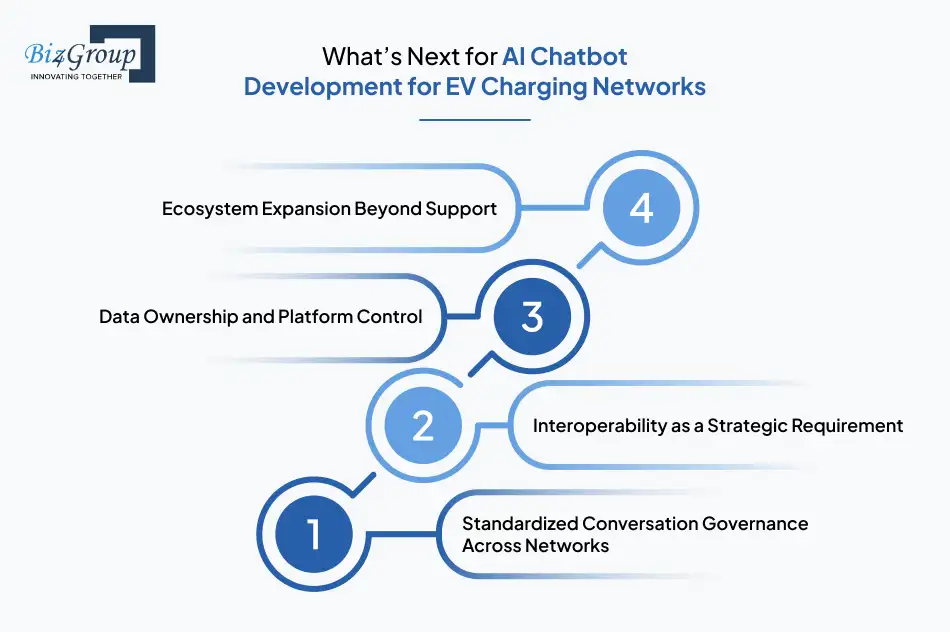
The next phase is less about new capabilities and more about maturity at scale. AI chatbot development for EV charging systems is heading toward standardization, governance, and ecosystem alignment, which will define how reliably these systems operate across expanding networks.
1. Standardized Conversation Governance Across Networks
As charging footprints grow, operators will prioritize consistent language, policies, and escalation rules across regions. This shift helps teams develop intelligent EV charging support chatbots that behave predictably regardless of location, charger type, or operating partner.
2. Interoperability as a Strategic Requirement
Future chatbots will be designed to operate across multiple networks without custom rewrites. Through AI conversational software development for EV charging platforms, operators will focus on shared schemas, common intents, and portable workflows that reduce long term integration friction.
3. Data Ownership and Platform Control
Attention will move toward who owns conversational data and how it informs business decisions. Operators who create AI driven customer support chatbots for EV charging will treat conversation data as a core asset tied to pricing, planning, and partner negotiations.
4. Ecosystem Expansion Beyond Support
Chatbots will increasingly sit at the center of broader digital ecosystems. This is where collaboration with top AI development companies in Florida becomes relevant, especially for teams planning to build an AI app layer that connects charging, mobility services, and customer engagement.
As these priorities take shape, execution depends less on tools and more on long term ownership. That naturally leads to the question of who should be trusted to build and evolve these systems as the network grows.
Why Choose Biz4Group for AI Chatbot Development for EV Charging Systems?
Choosing the right partner matters when chatbots touch live infrastructure, payments, and user trust. Biz4Group brings hands on experience from building production grade AI chatbot platforms that handle complex conversations, real time decision making, and seamless escalation. The same foundations power reliable EV charging support.
What sets Biz4Group apart - is execution.
- Proven experience building AI chatbots that manage multi turn, human like conversations at scale
- Strong focus on real world reliability, not just feature demos or lab accuracy
- Ability to translate complex backend signals into clear, user friendly guidance
- Deep understanding of how chatbots behave under pressure, learned through real deployments
- Engineering mindset aligned with long term scalability, security, and maintainability
The chatbot platforms highlighted earlier in this blog reflect how Biz4Group approaches conversational systems with context, continuity, and operational discipline. That experience carries directly into EV charging environments, where users expect answers instantly and operators need systems they can trust.
If your goal is to build AI software that supports charging networks without adding operational risk, Biz4Group focuses on getting the fundamentals right before scaling innovation.
Ready to Build Support Drivers Actually Trust?
Create reliable, real time assistance with AI chatbot development for EV charging systems designed for live infrastructure.
Start a Discovery DiscussionClosing Thoughts on AI Chatbot Development for EV Charging Systems
Every EV network reaches a point where scale exposes cracks. Not in hardware first, but in support. Sessions fail. Payments stall. Drivers wait. What separates reliable networks from frustrating ones is how calmly those moments are handled. AI chatbots, when built with real charging behavior in mind, become that quiet stabilizer.
This is not about chasing automation. It is about designing support that holds up at midnight, during peak travel, and when things do not go as planned. That level of execution only comes from teams remembering they are building infrastructure, not features, which is why the choice of an AI product development company matters more than the chatbot itself.
Want to Turn Failed Sessions Into Resolved Ones?
Design chatbot flows that actually work when chargers misbehave. Talk to our AI Experts.
FAQs on AI Chatbot Development for EV Charging Systems
1. How do AI chatbots actually reduce downtime in EV charging systems?
AI chatbots reduce downtime by guiding users through real time troubleshooting, identifying session level failures early, and escalating hardware issues with full context. This is how operators develop intelligent EV charging support chatbots that shorten resolution cycles and keep chargers operational.
2. Can AI chatbots work reliably with live EV charging protocols like OCPP?
Yes. When integrated correctly, chatbots can read live charger status, session states, and fault codes from OCPP based systems. This enables AI conversational software development for EV charging platforms that responds using real infrastructure data instead of static logic.
3. Are AI chatbots suitable for both public charging networks and fleet operations?
AI chatbots can support both, but configurations differ. Public networks focus on session and payment issues, while fleets emphasize usage visibility and access control. This flexibility is why many operators create AI driven customer support chatbots for EV charging across multiple business models.
4. How secure are AI chatbots when handling EV charging payments and user data?
Security depends on design choices such as encrypted communication, role based access, and strict data boundaries. These controls are essential when teams build AI powered chatbots for EV charging customer support that interact with billing and account information.
5. What kind of data do AI chatbots need to work effectively in EV charging environments?
Effective chatbots rely on session telemetry, charger availability, error codes, account status, and transaction data. Access to these sources allows teams to develop AI chatbot software for EV infrastructure companies that deliver accurate and contextual responses.
6. How much does it cost to build an AI chatbot for EV charging systems?
The cost typically ranges between 15,000 and 100,000 USD as a ballpark figure. Pricing varies based on integrations, scale, and automation depth, especially for AI chatbot development for EV charging systems operating across large or multi-network deployments.
