Location :
Orlando, FL, USA
Location :
Orlando, FL, USA +1 (407) 714-1616
 info@biz4group.com

















Imagine a digital system that doesn’t wait for instructions but instead, understands your business goals, learns from real-time feedback, and takes independent actions to get the job done.
Read More
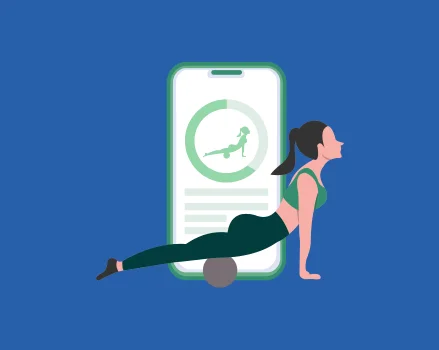
We recently worked on the AI Workout App; a cutting-edge AI-powered fitness app designed to help users achieve their best fitness goals with personalized guidance. By analyzing images, the app generates tailored workout routines that target specific muscle areas.
This app is just one example of how artificial intelligence is transforming the fitness industry, bringing personalization, precision, and innovation into the workout space.
And it's not just a trend — the fitness sector is seeing a major AI revolution. In fact, the global AI in fitness and wellness market size is valued at USD 9.8 Billion in 2024 and is predicted to reach USD 46.1 Billion by the year 2034.
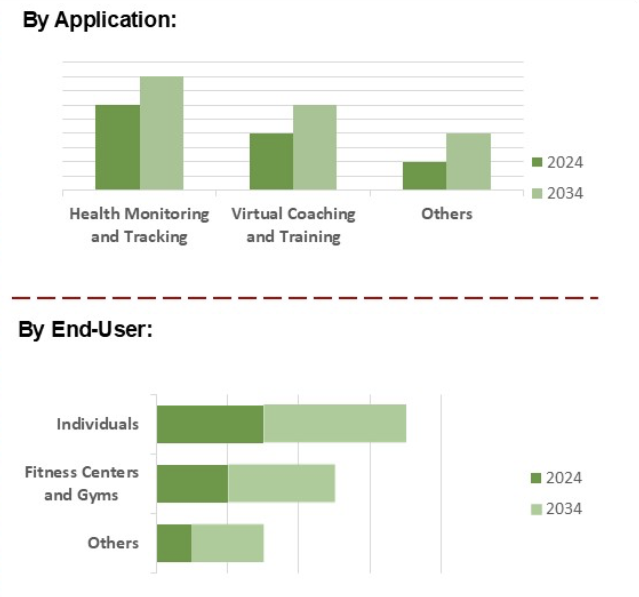
With features like personalized workout recommendations, real-time feedback, and virtual personal trainers, AI is becoming a key player in how we approach health and fitness.
So, if you're an entrepreneur looking to jump into this booming market, you're probably wondering: How much does it actually cost to build an AI-powered fitness app? Well, the answer isn’t one-size-fits-all, as several factors play into the total development cost. But don't worry; we're here to break it down for you.
Think about how fitness apps are being evaluated today.
Not by how many workouts they store, but by how intelligently they adapt.
By 2026, users expect fitness apps to think, learn, and respond like a real coach. Static workout libraries no longer justify subscription fees. What people pay for now is personalization, accuracy, and results. All of these are powered by AI.
From a cost and timing perspective, this makes 2026 a strategic entry point rather than a late one.
The AI-driven fitness economy is no longer speculative.
According to Precedence Research, the global AI in fitness and wellness market was valued at USD 9.8 billion in 2024 and is projected to reach USD 46.1 billion by 2034, growing at a CAGR of over 16%.
At the same time, Statista reports that fitness app users worldwide are expected to cross 1.1 billion users by 2026, with AI-powered personalization cited as a key retention driver.
This growth directly impacts AI fitness app development cost decisions. Entering early allows you to build while competition is still fragmented, rather than paying premium pricing later to catch up.
In 2026, AI features are no longer optional line items in your budget. They are baseline expectations.
Users now assume:
This shift matters for cost planning. Features that were once differentiators are now required for market entry. Building an AI fitness app without them often leads to higher rework costs later.
Starting now allows you to structure your AI fitness app development budget correctly from day one, instead of retrofitting intelligence into a basic app.
One major reason 2026 stands out is cost timing.
According to Gartner, demand for AI engineers and applied ML specialists is projected to outpace supply through 2027, pushing average AI development costs up by 15 to 25 percent over the next two years.
For founders, this means:
Delaying development often increases total spend, even if features remain the same.
Despite strong growth, the AI fitness app market is not saturated with high-quality solutions.
Many existing apps rely on:
This creates an opportunity to build smarter systems without inflating costs.
By focusing on:
You can control AI fitness app development cost while still launching a product that feels advanced and premium.
|
Opportunity |
Cost Impact |
|---|---|
|
Subscription revenue |
Predictable monthly ROI against development spend |
|
AI-driven upsells |
Higher LTV without heavy marketing costs |
|
Brand positioning |
Early investment lowers future rebranding and rebuild expenses |
When cost planning aligns with market timing, AI fitness apps become long-term revenue engines rather than short-term experiments.
2026 is not just a good time to build an AI fitness app. It is the most cost-efficient window to do it right.
If you are planning budgets, features, or timelines, understanding AI fitness app development cost now helps you avoid expensive pivots later.
Next, let’s break down how to estimate your AI fitness app development cost so you can turn that timing into a plan.
Also Read: AI App Development Cost
When planning an AI fitness app, the first thing decision makers want clarity on is cost. In 2026, AI fitness app development cost typically falls between $50,000 and $500,000, depending on how advanced the AI, personalization depth, real time processing, and scalability requirements are. AI Fitness App Development Cost Estimator – Get a Quick Quote
Rather than waiting for long discovery cycles, many businesses now rely on a quick AI fitness app cost estimator to understand budget feasibility early. It provides a realistic range based on feature selection and technical complexity.
Estimated Cost = Base Fitness App Cost + (AI Feature Cost × Complexity Multiplier) + Platform & Integration Cost + UI/UX Design + Data & Model Training Cost
Base Fitness App Cost
This is the starting cost for building the core fitness application. It covers essential modules such as user profiles, workout libraries, activity tracking, and basic analytics.
AI Feature Cost
This includes intelligent capabilities such as:
Complexity Multiplier
A multiplier ranging from 1.2x to 2x, influenced by:
Platform & Integration Cost
Covers development for:
UI/UX Design Cost
Includes custom fitness dashboards, motion design, usability testing, and user engagement flows.
Data & Model Training Cost
Accounts for:
Assume a business wants to build an advanced AI fitness app with personalized training, posture correction, and wearable integration.
Estimated Cost = ($50,000 + $60,000) × 1.3 + $40,000 + $25,000 + $20,000 = ~$228,000
This range fits well within the broader $50,000 to $500,000 AI fitness app development spectrum.
Adding a cost estimator to your website offers immediate value to potential clients.
Typical estimator inputs include:
With rising competition in AI fitness solutions, giving users instant cost clarity builds trust before the first sales call.
If you are evaluating whether your idea fits within budget, a tailored AI fitness app cost estimate is the fastest way to move from curiosity to confident execution.
Launch a smart, scalable fitness app in budget with our expert team by your side.
Get a Free Cost EstimateNow that we’ve covered the key features of your AI-powered fitness app, let’s dive into the costs. Developing an AI-powered fitness app is a multifaceted process that involves more than just building the app itself. There are various elements to consider, each contributing to the final price tag. Here’s a breakdown of the major costs involved in developing your AI fitness app:
The first impression is everything, especially in the competitive fitness app market. Creating an engaging, intuitive user interface (UI) and user experience (UX) is a key aspect of app development.
This is where the magic happens, and also where things can get a little pricey. AI is the backbone of your fitness app, and integrating it requires specialized skills and resources.
When it comes to platform development, you need to decide whether you want to build an app for iOS, Android, or both. The cost of developing for multiple platforms adds to the complexity and price.
The cost of hiring a development team is another crucial factor. You can go for an in-house team, hire freelancers, or outsource the development to agencies.
Testing is essential to ensure your app works seamlessly across all devices and platforms.
As an AI-powered app, you'll be dealing with large amounts of data, which means you'll need robust cloud infrastructure to support your app.
Once the app is live, you can’t just sit back and relax. Regular updates, bug fixes, and performance improvements are essential to keep users engaged and ensure that your app stays competitive.
At the end of the day, the total development cost will depend on the features, platform choices, development team, and the complexity of the AI models you want to integrate.
We help entrepreneurs build powerful AI fitness apps without overspending.
Let's Build in BudgetThere are a few additional costs and ongoing considerations that entrepreneurs should keep in mind to ensure the app’s success and longevity.
When dealing with user data, especially health and fitness data, privacy and security are paramount. If you plan on collecting sensitive personal information, such as health metrics or workout history, you must ensure that your app complies with various regulations and data protection laws.
AI fitness apps often rely on third-party APIs for various functionalities like workout tracking, GPS, payment processing, and more. Each integration introduces an additional cost.
Also Read: A Guide to API Development: Tools, Workflows, and Best Practices
Even the best app won't succeed if users don’t know about it. For a fitness app, marketing is crucial in reaching your target audience and converting them into loyal users.
Once your app is live, maintaining positive customer relations is key to keeping users engaged. This comes with its own set of costs.
As your app grows, you'll need to ensure that it can handle increasing numbers of users without a hiccup. Scaling the app requires ongoing investment in infrastructure, updates, and resources.
If you’re an entrepreneur looking to build an AI-powered fitness app, it’s always a good idea to benchmark your costs and expectations against the market. After all, you want to be competitive and provide users with the best experience possible. So, let’s take a look at some popular fitness apps and their features to give you a sense of where your app might stand in the market.
There are several fitness apps already using AI to offer personalized workout experiences. Let’s explore a few examples and see how they’re shaping the industry:
Also Read: 100+ AI App Ideas in 2025: Investment Opportunities in USA
Now that we’ve seen some examples, how does the development cost of your app compare?
When investing in building an AI-powered fitness app, it's crucial to think about the return on investment (ROI). With the right features, user experience, and marketing strategies, fitness apps can quickly become a source of recurring revenue. Here are some potential revenue models:
When comparing your app’s development costs to these benchmarks, keep in mind the importance of differentiating your app from the competition. Consider adding unique AI features or focusing on a niche market that hasn’t been fully addressed. For example, focusing on real-time posture correction or offering AI-generated workout plans based on a user’s specific injury recovery could set your app apart from others like Freeletics and Peloton.
When developing an AI-powered fitness app, it's natural to want to keep costs under control while still delivering a high-quality product. While AI integration and complex features might seem like major cost drivers, there are strategies to minimize expenses without sacrificing the effectiveness or appeal of your app. Here are a few tips to help you get the most out of your investment:
Instead of diving straight into developing a full-featured app, consider developing an MVP for your AI app— a version of the app that includes only the core features necessary to provide value to users. This approach lets you test your app idea, gather user feedback, and refine your product before scaling up.
Also Read: Top 12+ MVP Development Companies to Launch Your Startup
Kick off your AI fitness app journey with a lean MVP that delivers results and evolves with user needs.
Build My MVP NowBuilding AI models from scratch can be time-consuming and expensive. Luckily, there are several pre-built AI tools and APIs available that can help streamline the development process. Platforms like TensorFlow, Google AI, and IBM Watson offer machine learning models that can be integrated into your app at a fraction of the cost of developing custom models.
Rather than building separate apps for iOS and Android, consider using cross-platform development frameworks like Flutter or React Native. These tools allow you to develop one codebase that works on both platforms, saving you time and money.
Cloud hosting and data storage can become one of the more expensive aspects of developing an AI-powered app. However, optimizing your cloud infrastructure can save significant money in the long term.
Instead of attempting to build every feature possible from the get-go, focus on the core features that will drive user engagement and growth. Once you have a solid user base, you can then start adding premium features or additional AI capabilities.
Whether it's an MVP or full-scale AI app, we'll guide you through development — affordably and efficiently.
Start Developing TodayBuilding an AI-powered fitness app is an exciting venture that taps into the growing demand for personalized health and wellness solutions. Whether you’re providing users with personalized workout plans, real-time coaching, or innovative features like posture correction, there’s huge potential for success in this space.
However, as we've seen, the costs associated with developing such an app can vary significantly depending on the features you choose, the platform you build on, and the development approach you take. Whether you opt for an MVP to test the waters, outsource specific tasks to save on costs, or build a full-fledged app with advanced AI capabilities, understanding the cost breakdown helps you make informed decisions.
To recap:
Being an AI development company, we’ve had the privilege of working on a range of AI-powered fitness apps, such as the AI Workout App, and helping entrepreneurs bring their fitness visions to life. If you’re ready to start your own AI fitness app journey, we’re here to help you navigate the process and make smart, cost-effective decisions.
Ready to transform the fitness industry with your own AI-powered app? Reach out for a free consultation, and we’ll walk you through the next steps in building your app, optimizing costs, and ensuring your success. Your fitness app adventure starts here!
Yes, startups can begin with an MVP version costing around $50,000, then scale up with more features as the app gains traction and user feedback.
Yes, AI significantly enhances user engagement by offering personalized workouts, smart tracking, and adaptive fitness plans, increasing app retention and ROI.
On average, it takes 4 to 9 months to develop a fully functional AI fitness app. Timelines vary based on feature set, tech stack, and team size.
AI enhances user experience by delivering personalized workout plans, analyzing performance data, and adapting routines based on progress and goals.
Yes, regular updates are crucial to improve performance, add new features, fix bugs, and refine AI algorithms based on evolving user data and feedback.

with Biz4Group today!
Our website require some cookies to function properly. Read our privacy policy to know more.