 Location :
Orlando, FL, USA
Location :
Orlando, FL, USA +1 (407) 714-1616
 info@biz4group.com

- AI learning management system (LMS) for pharma employee training helps with compliance, onboarding, and readiness across regulated teams.
- AI LMS solutions for pharma workforce upskilling deliver the best value, especially for sales, medical, and compliance roles.
- Explore what it takes to build AI powered learning management systems for pharma companies with the right features, tech stack, and governance model.
- Understand why the market is moving fast, with enterprise LMS adoption and AI investment in learning growing sharply across regulated industries.
- The cost to build AI learning management system (LMS) for pharma employee training ranges between 25,000 to 150,000 USD, depending on scope, and AI depth.
You are in a leadership meeting reviewing training outcomes and something feels off. Compliance modules are completed but not retained. Sales onboarding feels rushed. Medical training updates lag behind regulatory changes. That tension is exactly why many leaders are now choosing to develop an AI learning management system (LMS) for pharma employee training that adapts, learns, and scales with their workforce.
If the list below matches your browser history, you’ve arrived at the right place:
- AI LMS for pharma employee training
- how pharma companies use AI for employee training
- AI based learning management system for pharma teams
- can AI personalize training for pharma sales staff
- AI LMS for compliance and medical training
The momentum behind this shift is real:
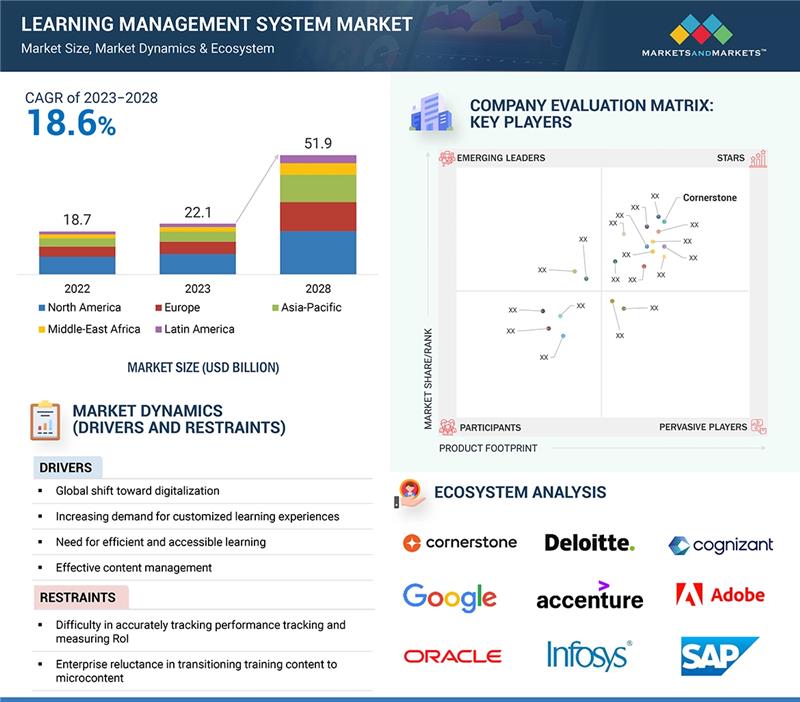
- The global learning management system market is projected to grow to USD 51.9 billion by 2028, reflecting how central AI in eLearning has become for workforce readiness.
What often keeps leaders up at night is not training completion rates, but risk. Missed knowledge updates. Inconsistent messaging across regions. Sales teams learning products faster than regulations change. Training becomes a liability instead of a safeguard. This is where AI LMS development for pharma companies starts to feel like operational protection.
For pharma leaders, this is less about trends and more about control. An AI driven LMS makes training responsive instead of reactive. It helps compliance teams keep pace with change, enables sales teams to learn faster, and gives leadership visibility into readiness across roles and regions. This guide walks through what it really takes to develop AI powered LMS for pharma training, and how an AI development company can help you build one.
What Is an AI Learning Management System for Pharma Employee Training?
An AI learning management system (LMS) for pharma employee training is a smart training platform built for regulated environments where accuracy, speed, and consistency matter. It adapts learning to roles, tracks readiness, and keeps training aligned with evolving pharma requirements.
- Designed to support onboarding, compliance, medical, and sales training in one system
- Uses data signals to adjust content based on role, experience, and performance
- Helps standardize training across teams, regions, and therapeutic areas
- Improves visibility for leadership with real-time training insights
- Aligns well with enterprise-grade expectations similar to enterprise AI solutions
For organizations looking to build AI learning management systems for pharma, the focus is not just training delivery but building a system that keeps people ready, compliant, and confident as the business scales.
How AI Powered LMS for Pharma Training Works
An AI learning management system (LMS) for pharma employee training works by connecting learner behavior, regulatory content, and performance data into one adaptive system. What matters most is how intelligence flows through the platform, step by step.
1. Data-Driven Learner Profiling
The system starts by analyzing roles, experience levels, and historical training data. It builds individual learner profiles that reflect real job responsibilities. This foundation supports accurate recommendations across training programs.
2. Intelligent Content Orchestration
Training material is tagged, mapped, and continuously evaluated for relevance. Using AI model development, the platform matches content to learner needs and regulatory priorities. This enables teams to create AI driven pharma training platforms that stay current without manual intervention.
3. Adaptive Learning Paths
As learners progress, the system adjusts pacing and depth automatically. Knowledge gaps trigger targeted modules instead of repeating entire courses. This is where pharmaceutical LMS software development with AI becomes practical rather than theoretical.
4. Enterprise System Connectivity
The LMS connects with HR, compliance, and internal knowledge systems to maintain consistency. With structured AI integration services, learning data stays synchronized across departments. This reduces fragmentation and improves reporting confidence.
| LMS Function Area | How AI Enables It |
|---|---|
|
Learner analysis |
Builds role-based training profiles |
|
Content delivery |
Matches modules to real-time needs |
|
Progress tracking |
Identifies gaps and adjusts paths |
|
Compliance visibility |
Centralizes audit-ready insights |
Once this flow is in place, training stops feeling reactive and starts feeling intentional. That foundation makes it easier to create AI driven pharma training platforms that justify investment and quietly prepare leaders for the bigger question of why this investment matters.
Turn Training Gaps Into Competitive Advantage
Explore how to develop an AI learning management system (LMS) for pharma employee training that aligns compliance, onboarding, and performance.
Plan My AI LMSWhy Pharma Companies Shall Invest in AI LMS Development?
An AI learning management system (LMS) for pharma employee training is no longer about modernizing training libraries. It is about reducing operational risk, improving readiness, and giving leaders confidence in how knowledge flows across teams. Here is why that investment starts to make sense.
1. Training Consistency Across Roles and Regions
Pharma teams operate across markets, regulations, and job functions. An AI LMS ensures everyone receives the right training without dilution. This consistency is difficult to achieve when you build employee training LMS for pharma industry needs using static systems.
2. Lower Compliance Risk With Smarter Oversight
Regulatory updates move fast and gaps are costly. AI driven systems flag outdated content and learning blind spots early. This level of oversight is often designed with insights and support from AI consulting services.
3. Faster Onboarding and Knowledge Retention
Sales and medical teams need to absorb complex information quickly. Personalized learning paths reduce repetition and improve recall. That approach supports organizations looking to develop intelligent pharma learning systems that scale without slowing people down.
4. Clear Visibility for Leadership Decisions
Executives need more than completion metrics. AI LMS platforms surface readiness, risk, and performance patterns. This is often powered by modern business app development using AI practices.
Over time, these benefits compound. For organizations investing in custom AI LMS development for pharma enterprises, the return shows up not just in efficiency but in confidence, setting the stage for where and how these systems are applied next.
Top Use Cases of AI LMS Solutions for Pharma Workforce Upskilling
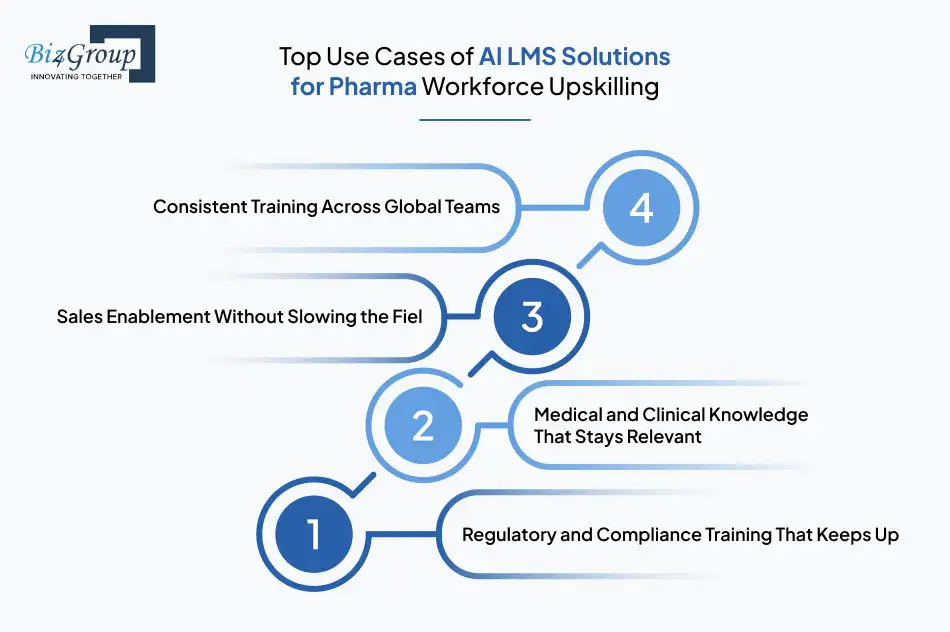
An AI learning management system (LMS) for pharma employee training earns its place when it solves everyday problems teams quietly struggle with. These are the moments where training either keeps pace with the business or becomes a bottleneck.
1. Regulatory and Compliance Training That Keeps Up
Compliance teams deal with constant updates and zero room for mistakes. An AI-driven LMS keeps training aligned with the latest requirements without forcing manual resets. Many organizations rely on this approach to quietly create AI enabled compliance training LMS for pharma environments that are always inspection ready.
- Example: Updated regulatory guidance pushed automatically to affected teams without reassigning courses
2. Medical and Clinical Knowledge That Stays Relevant
Medical teams work with complex information that changes often. AI helps prioritize what needs attention now versus later. With support from generative AI, content stays aligned with evolving clinical knowledge, which is why many companies choose to hire AI developers for ongoing refinement.
- Example: Short learning updates triggered by new trial data or label changes
3. Sales Enablement Without Slowing the Field
Sales teams need training that respects time pressure and territory differences. AI adjusts learning depth based on performance instead of forcing everyone through the same material. This makes AI corporate training LMS development for pharma far more practical in real selling environments.
- Example: Sales reps receiving focused refreshers only on products they struggle to explain
4. Consistent Training Across Global Teams
Global operations need alignment without ignoring regional nuance. AI helps organizations build AI powered learning management systems for pharma companies that adapt language, pacing, and regulatory context. Adoption improves further when teams integrate AI into an app employees already use.
- Example: One core training program dynamically localized for different markets
| Training Scenario | What AI Changes |
|---|---|
|
Compliance updates |
Faster rollout, fewer gaps |
|
Sales training |
Personalized learning pace |
|
Medical education |
Timely, relevant updates |
|
Global teams |
Consistency with flexibility |
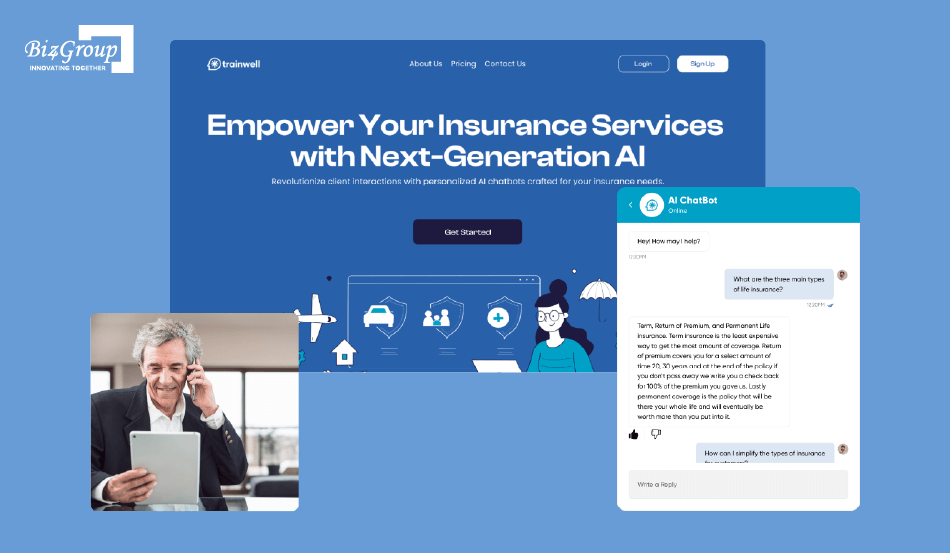
Insurance AI is an AI-driven training and support platform designed to help professionals learn, query, and apply domain knowledge in real time. Its conversational learning approach demonstrates how regulated industries can move beyond static courses toward continuous, context-aware employee enablement.
Once these use cases start working quietly in the background, attention naturally shifts. Leaders begin asking what features actually make this level of reliability possible, especially when trying to create AI enabled LMS platforms for regulated pharma environments that can scale without friction.
When Training Feels Fragmented, It Shows
See how AI LMS solutions for pharma workforce upskilling bring structure across sales, medical, and compliance teams.
Fix My Training FlowEssential Features in Pharmaceutical LMS Software Development with AI
An AI learning management system (LMS) for pharma employee training only delivers value when its foundation is solid. These core features are the baseline requirements for regulated training, and everything else builds on top of them:
| Core Feature | Why It Is Essential in Pharma Training |
|---|---|
|
Role-based learning paths |
Delivers relevant training based on role, function, and responsibility |
|
Compliance content management |
Ensures regulatory material stays current and approved |
|
Assessment and knowledge checks |
Confirms understanding beyond simple completion |
|
Audit-ready reporting |
Provides traceable training records for inspections |
|
Content version control |
Prevents outdated or unapproved material from being used |
|
Secure access controls |
Protects sensitive training and compliance data |
|
Learning history tracking |
Maintains complete employee training records |
|
Certification and re-certification workflows |
Supports mandatory recurring training cycles |
|
Mobile-accessible learning |
Enables training across field, lab, and office teams |
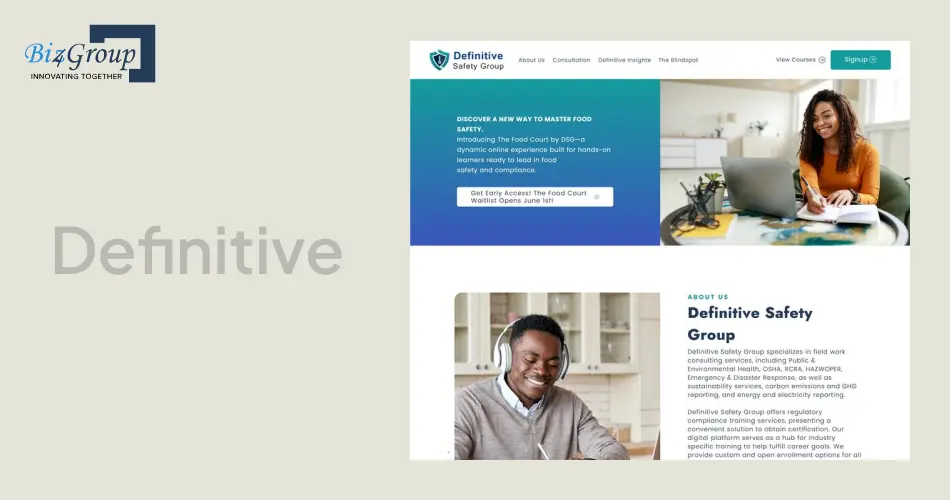
Definitive Safety is a comprehensive eLearning platform built to deliver structured, role-based training with strong tracking and reporting foundations. Its emphasis on consistency, accessibility, and learner accountability mirrors the core requirements pharma organizations face when scaling compliant employee training programs across teams and locations.
Behind the scenes, these capabilities are often stitched together through thoughtful platform architecture via a custom software development company. Once this base is stable, it becomes far easier to develop AI LMS software for pharma workforce upskilling and responsibly introduce more advanced intelligence in the next stage.
Advanced Features in AI Enabled Compliance Training LMS for Pharma
Once the foundation is stable, advanced capabilities are where an AI learning management system (LMS) for pharma employee training starts to feel proactive rather than reactive. These features quietly remove friction and help training keep pace with real operational demands.
1. Predictive Skill Gap Identification
The system analyzes performance trends to surface gaps before they turn into risks with the help of predictive analytics. Training plans adjust based on signals, not assumptions. This is often supported by targeted AI automation services behind the scenes.
2. Dynamic Sales and Onboarding Intelligence
Sales and onboarding programs adapt in real time as learners progress. Content depth changes based on outcomes, not tenure. Teams often use this layer to make AI LMS solutions for pharma sales and onboarding more responsive.
3. Context-Aware Learning Recommendations
The LMS suggests what to learn next based on role changes, product launches, or compliance updates. Recommendations feel timely rather than intrusive. This level of personalization requires thoughtful AI assistant app design.
4. Real-Time Performance and Readiness Insights
Leaders gain live visibility into readiness across teams and regions. Dashboards move beyond completion to confidence and risk indicators. This insight supports decisions as organizations develop scalable AI learning platforms for pharma organizations.
5. Intelligent Knowledge Support
Learners can access answers without leaving their workflow. Integrated help reduces dependency on manuals and static FAQs. This capability is often built in collaboration with an AI chatbot development company.
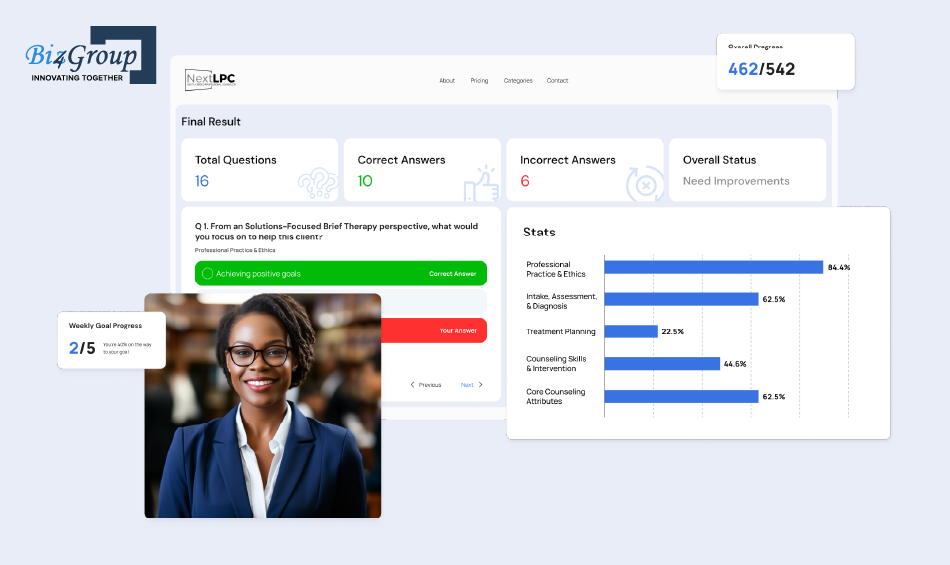
NextLPC is an AI-powered learning platform that uses intelligent avatars to guide users through complex educational content, assessments, and case-based learning. The way it adapts instruction based on learner interaction closely aligns with how pharma companies think about role-specific training and knowledge reinforcement.
As these features mature, the LMS becomes less about delivering content and more about supporting decisions. That shift often influences how leaders evaluate partners and what they expect from the best company to develop AI LMS for pharma industry in the next phase.
Step-by-Step Process to Develop AI Powered LMS for Pharma Training
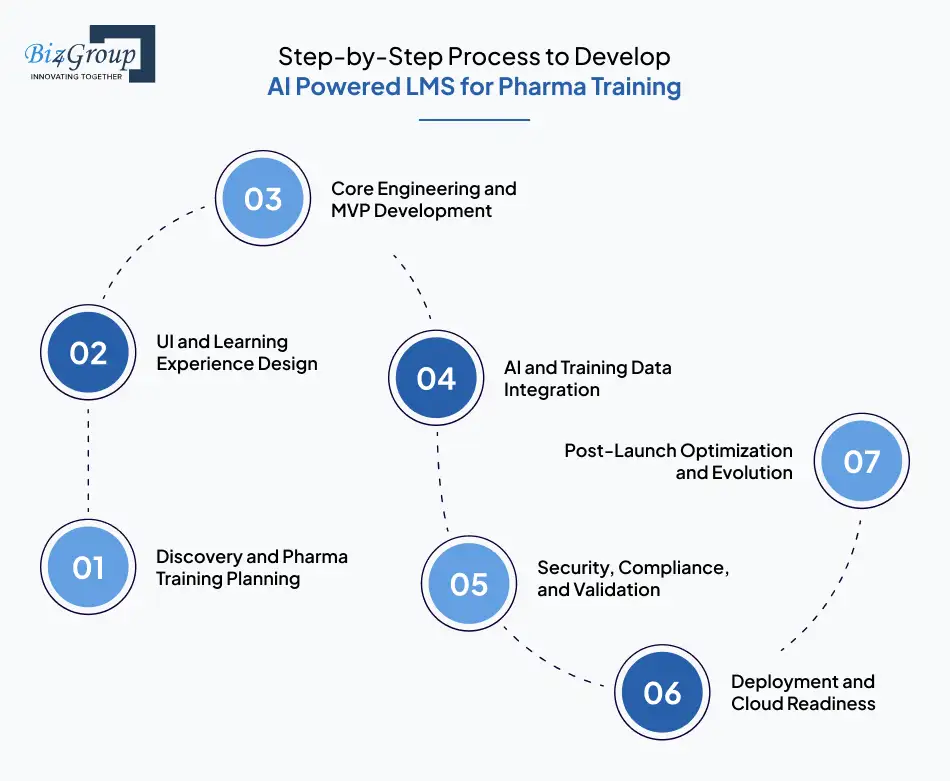
An AI learning management system (LMS) for pharma employee training must be planned differently than generic enterprise tools. Training here affects compliance, revenue, and patient safety, which is why the development process needs to be deliberate, contextual, and grounded in how pharma teams actually operate.
1. Discovery and Pharma Training Planning
This step begins by identifying where existing training models fall short. Teams compare AI LMS vs traditional pharma training systems to understand gaps around personalization, audit readiness, and scalability. The objective is clarity on what truly needs fixing before anything is built.
- Identify role-wise training risks across sales, medical, and compliance teams
- Map regulatory exposure and inspection-driven learning pressure points
- Define success metrics tied to readiness, not just completion
2. UI and Learning Experience Design
Pharma employees engage better when training respects their time and priorities. Learning journeys are designed to feel intentional and easy to navigate, especially for repeat compliance and onboarding flows. This is where you build AI LMS systems with personalized learning paths with the help of an expert UI/UX design company.
- Design clear onboarding, compliance, and refresher learning journeys
- Validate designs with sales, medical, and operations teams
- Ensure consistency across devices and regions
Also read: Top 15 UI/UX Design Companies in USA: 2026 Guide
3. Core Engineering and MVP Development
Rather than overbuilding early, pharma organizations benefit from MVP development services, focused on trust. This phase validates whether the LMS can reliably manage regulated training before expanding intelligence layers.
- Build role-based learning paths and compliance workflows
- Implement assessments and audit-ready reporting
- Design architecture that supports future scaling
Also Read: Top 12+ MVP Development Companies to Launch Your Startup in 2026
4. AI and Training Data Integration
Once the core system proves stable, intelligence is layered in carefully. AI models are trained on pharma-specific learning behavior and outcomes to ensure relevance. This is where AI LMS solutions for pharma workforce upskilling begin to deliver measurable impact.
- Train AI models using role-specific training data
- Personalize learning based on performance and progression
- Create feedback loops to refine recommendations over time
5. Security, Compliance, and Validation
This phase focuses on audit confidence. Every learning action must be traceable and defensible. Testing is performed against real inspection scenarios to ensure the platform holds up under scrutiny.
- Validate access controls and content versioning
- Simulate audits and retraining cycles
- Maintain detailed logs for transparency
Also Read: Software Testing Companies in USA
6. Deployment and Cloud Readiness
Pharma training demand spikes during product launches and inspections. Deployment planning ensures performance remains stable during peak usage and updates can roll out without disruption.
- Use scalable cloud infrastructure
- Enable controlled releases through CI/CD pipelines
- Monitor learning activity across regions
7. Post-Launch Optimization and Evolution
After launch, attention shifts to improvement and ROI. Leaders track adoption, readiness, and cost efficiency while refining the platform. This stage often clarifies the AI LMS development cost estimate for pharma enterprises over time.
- Collect feedback from learners and compliance teams
- Retrain models as products and regulations evolve
- Track readiness, efficiency, and long-term returns
Following this process allows organizations to move beyond experimentation. With the right planning and execution, custom AI LMS development services for pharma companies become a long-term capability rather than a one-time implementation, setting the stage for smarter decisions around scale and technology choices next.
Compliance Should Not Be a Fire Drill
Understand how teams create AI enabled compliance training LMS for pharma without adding operational friction.
Talk to our AI SpecialistsTechnology Stack to Build AI LMS Systems with Personalized Learning Paths
For pharma training, the tech stack has to do more than run courses. It must support audits, integrate with internal systems, scale during regulatory spikes, and keep learning data trustworthy. This stack reflects those realities:
| Label | Preferred Technologies | Why It Matters |
|---|---|---|
|
Frontend Framework |
ReactJS, VueJS |
A clear, fast interface helps employees complete training under time pressure with ReactJS development to keep experiences consistent across devices. |
|
Server-Side Rendering & SEO |
NextJS, NuxtJS |
Dashboards and reports load faster and remain stable for leadership reviews. Frameworks aligned with NextJS development support predictable performance in enterprise settings. |
|
Backend Framework |
NodeJS, Python |
Handles concurrency during audits and launches while supporting complex logic. Combining NodeJS development with Python development allows scale and data-heavy processing together. |
|
REST APIs, GraphQL |
APIs connect the LMS with HR, compliance, and content systems. A strong API layer ensures training data flows cleanly across tools without duplication or manual reconciliation. |
|
|
AI & Data Processing |
NLP engines, Recommendation models |
Drives role-based content relevance and adaptive learning paths. These engines focus on pharma context rather than generic learner behavior. |
|
AI Model Layer |
Custom ML models, LLM-based services |
Supports personalization, readiness scoring, and content prioritization tuned to regulated training needs. |
|
Database Layer |
PostgreSQL, MongoDB |
Stores audit-ready compliance records alongside flexible learner activity data. This balance is essential for inspections and analytics. |
|
Integration Layer |
Webhooks, Middleware services |
Enables real-time sync with HRMS, document systems, and compliance tools. Smooth integrations reduce reporting gaps. |
|
Security & Access Control |
OAuth, RBAC |
Restricts access to sensitive training and compliance data by role. This is non-negotiable in regulated environments. |
|
Audit & Logging Layer |
Centralized logs, Immutable records |
Maintains traceability of content changes, completions, and certifications. This layer directly supports inspection readiness. |
|
Cloud Infrastructure |
AWS, Azure |
Handles global rollouts and sudden training surges during inspections. Cloud setups allow regional control without rebuilding infrastructure. |
With these layers in place, the LMS is not just functional but defensible. Once technology responsibilities are clearly defined, the next logical step is understanding how costs evolve from MVP to enterprise scale.
Cost to Build AI Learning Management Systems for Pharma at Different Stages
The cost of building an AI learning management system (LMS) for pharma employee training typically falls between 25,000 to 150,000+ USD, depending on scope and complexity. This is a ballpark figure, not a quote, because pharma training needs vary widely by compliance depth, scale, and intelligence layers.
| Build Stage | What It Typically Includes | Estimated Cost Range |
|---|---|---|
|
MVP-level AI LMS for Pharma |
Core LMS features, role-based learning paths, compliance tracking, basic analytics |
25,000 to 45,000 |
|
Mid-Level AI LMS for Pharma |
Personalization logic, AI-driven recommendations, integrations with HR and compliance systems |
45,000 to 90,000 |
|
Enterprise-Grade AI LMS for Pharma |
Advanced AI models, audit-ready reporting, scalability across regions, security hardening |
90,000 to 150,000+ |
|
Ongoing Enhancements |
Model tuning, new training modules, regulatory updates, performance optimization |
Variable, based on usage |
What often surprises leaders is not the build cost, but how decisions made early affect long-term spend. Adding personalization, compliance depth, or scale later can be efficient if the architecture is planned right. This is where working with an experienced software development company in Florida helps avoid rebuilding core systems as requirements evolve.
For organizations evaluating AI LMS development for pharma companies, cost discussions naturally lead to a bigger question. How does the platform justify itself financially once it is live and embedded into daily training operations?
Revenue Models for AI Powered LMS for Pharma Companies
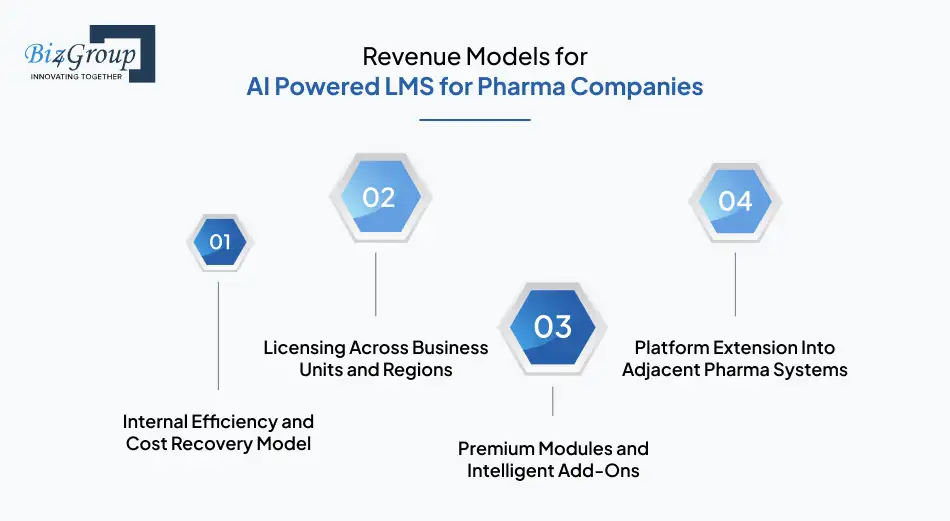
An AI learning management system (LMS) for pharma employee training can be more than a cost center when designed with monetization in mind. These models reflect how pharma organizations translate training investments into sustained business value.
1. Internal Efficiency and Cost Recovery Model
Many pharma enterprises realize returns by cutting external training spend and minimizing compliance rework. When teams develop AI powered LMS for pharma training, efficiency gains quietly accumulate across onboarding, audits, and refresh cycles.
- Example: Reduced dependency on third-party training vendors while faster onboarding shortens the time it takes new hires to become productive across regulated roles
2. Licensing Across Business Units and Regions
Large organizations often roll out the platform in phases, licensing access by division or geography. This model works well when teams build AI learning management systems for pharma that support varied regulations and operational contexts.
- Example: Separate licensing for sales, manufacturing, and medical teams while regional deployments align with local compliance requirements
3. Premium Modules and Intelligent Add-Ons
Advanced capabilities can be introduced as optional upgrades once the core LMS proves its value. Features like contextual assistance and AI chatbot integration are often adopted incrementally, especially when supported by an experienced AI app development company.
- Example: Intelligent support layered into compliance and onboarding workflows while advanced reporting modules unlock deeper visibility for leadership teams
4. Platform Extension Into Adjacent Pharma Systems
Some organizations extend learning into broader digital ecosystems. This approach fits well alongside initiatives such as AI pharmacy app development or programs designed to build AI software across internal platforms.
- Example: Training embedded directly into operational or field-facing applications while learning insights feed into workforce readiness planning
Over time, these models tend to blend rather than compete. As organizations create AI driven pharma training platforms, focus naturally shifts from monetization mechanics to long-term governance, sustainability, and scale.
Curious What This Actually Costs?
Get clarity on scope, tradeoffs, and the real AI LMS development cost estimate for pharma enterprises before you commit.
Estimate My LMS CostBest Practices for Custom AI LMS Development for Pharma Enterprises
An AI learning management system (LMS) for pharma employee training succeeds when it is built with discipline, not shortcuts. The practices below reflect what works in regulated environments where learning quality, compliance confidence, and adoption all matter.
1. Design Training Around Regulatory Reality
Start by mapping training to real regulatory exposure, not generic job titles. Compliance, medical, and sales teams require different depth and timing. This focus anchors pharmaceutical LMS software development with AI in real accountability.
2. Keep Learning Flows Purposeful and Short
Pharma employees value clarity over creativity. Training should guide users to outcomes quickly without unnecessary exploration. This is critical when teams build employee training LMS for pharma industry needs at scale.
3. Validate With Real Users Before Scaling
Early feedback from sales, medical, and compliance teams prevents silent adoption failure. Test how learning stays relevant during audits and launches. This approach mirrors how teams would build an AI app meant for daily use.
4. Introduce AI After the Foundation Is Stable
AI should enhance training decisions, not compensate for weak structure. Establish clean content, assessments, and reporting first. Only then layer intelligence that adapts learning responsibly.
5. Plan for Long-Term Ownership
Pharma training evolves with regulations and portfolios. Design for updates, retraining, and governance from day one. This thinking aligns well with organizations experienced in AI pharmacy app development cycles.
When these practices are followed, the platform becomes dependable rather than fragile. That reliability is what allows custom AI LMS development for pharma enterprises to scale confidently, even as complexity increases in the next phase.
Challenges in AI LMS Development for Pharma Companies and Solutions

An AI learning management system (LMS) for pharma employee training introduces clear advantages, but building it is not frictionless. The hurdles below reflect what pharma leaders actually encounter once strategy turns into execution:
| Top Challenges | How to Solve Them |
|---|---|
|
Managing regulatory complexity |
Design content workflows with approval layers, version control, and audit logs from the start |
|
Low adoption from busy teams |
Build role-specific learning paths that respect time pressure and real job priorities |
|
Keeping content up to date |
Automate content reviews and triggers tied to regulatory or product changes |
|
Data silos across systems |
Integrate LMS data with HR and compliance platforms to maintain consistency |
|
Proving training effectiveness |
Move beyond completion rates to readiness, risk, and performance metrics |
|
Overengineering too early |
Start lean and expand capabilities only after core workflows are stable |
|
Alignment with existing IT systems |
Plan integrations alongside platforms used in areas like pharmacy management software development |
Most of these challenges are not technical failures but planning gaps. When addressed early, they stop becoming blockers and start shaping better decisions. Solving them well is what allows organizations to develop intelligent pharma learning systems that are trusted, scalable, and ready for what comes next.
The Future of AI LMS Development for Pharma Training
An AI learning management system (LMS) for pharma employee training is evolving from a training tool into a strategic layer of organizational intelligence. What comes next is less about features and more about how learning influences decisions across the enterprise.
1. Learning as a Regulatory Early-Warning System
Future LMS platforms will act as signals, not just systems of record. Training data will surface early indicators of compliance risk and readiness gaps. This allows leaders to create AI enabled compliance training LMS for pharma that informs action, not just reporting.
2. Human-AI Collaboration in Learning Governance
Decision-making around training will blend automation with human oversight. Compliance leaders will guide systems through policies rather than content uploads. Interfaces may resemble an AI conversation app, focused on guidance and clarity rather than navigation.
3. Training Data Feeding Enterprise Strategy
Learning outcomes will increasingly shape workforce planning, product readiness, and regional expansion decisions. Insights from training performance will influence how organizations prioritize roles and investments. This reframes AI corporate training LMS development for pharma as a strategic input, not an HR function.
4. From Courses to Continuous Knowledge Flow
Static training cycles will give way to continuous learning states. Knowledge will be refreshed incrementally based on change velocity, not calendar schedules. This shift changes how teams think about scale when they build AI powered learning management systems for pharma companies.
As this shift unfolds, competitive advantage will come from foresight rather than tooling. That foresight often depends on long-term partners who understand regulated environments deeply, a trait commonly associated with top AI development companies in Florida rather than generic vendors.
Why Choose Biz4Group to Develop AI LMS Solutions for Pharma?
Building an AI LMS for pharma is not just about assembling features. It is about understanding regulated learning, real user behavior, and how AI systems mature over time. Biz4Group brings that perspective from building AI platforms where accuracy, accountability, and adoption are non-negotiable.
Across portfolios like Definitive Safety, NextLPC, and Insurance AI, Biz4Group has delivered platforms that balance structured learning, intelligent guidance, and real world usage. That experience directly informs how an AI learning management system (LMS) for pharma employee training should be designed to earn trust before it scales.
What sets Biz4Group apart in this space:
- Deep experience as an AI product development company, not just a project delivery vendor
- Proven ability to design learning systems that handle compliance, complexity, and growth together
- Strong focus on real user adoption, not theoretical workflows
- Architecture decisions that support long term evolution, not rebuilds
For pharma leaders, this means fewer assumptions, cleaner execution, and an LMS that feels purpose built rather than adapted. That confidence naturally leads into the final reflection on what it takes to move from concept to execution.
Training Is a Long-Term System, Not a One-Time Build
See how organizations develop scalable AI learning platforms for pharma organizations that grow without rework.
Build My AI LMS SolutionsFinal Thoughts on AI LMS Development for Pharma Companies
Pharma training has outgrown static courses and checkbox completion. What teams need today is clarity, consistency, and confidence under regulatory pressure. An AI LMS brings structure to complexity and turns learning into something teams can rely on, not rush through.
When organizations develop an AI learning management system (LMS) for pharma employee training, training stops being reactive and starts supporting better decisions across compliance, onboarding, and knowledge retention. Built with the same care applied in serious eLearning web app development, these platforms become part of how pharma organizations operate, not just how they train.
Let’s map what an AI LMS would look like for your Pharma teams and regulations - Talk to our Experts!
FAQs on AI LMS Development for Pharma Enterprises
1. How long does it take to build an AI learning management system for pharma employee training?
Timelines usually range from 3 to 6 months, depending on scope and regulatory depth. Projects that build AI learning management systems for pharma often start with an MVP before expanding into enterprise-scale learning and compliance workflows.
2. Can an AI LMS support different pharma roles like sales, medical, and compliance teams?
Yes. Role-based intelligence allows training to adapt by function and responsibility. This flexibility is central to AI LMS solutions for pharma workforce upskilling, where learning depth and frequency vary across teams without duplicating content.
3. How does an AI LMS handle frequent regulatory changes in pharma?
AI LMS platforms rely on centralized content governance, version control, and automated reassignment. These mechanisms are core to organizations that create AI enabled compliance training LMS for pharma, ensuring updates reach the right teams without audit gaps.
4. What data does an AI LMS use to personalize pharma employee training?
Personalization is driven by role profiles, learning history, and assessment performance rather than sensitive personal data. This approach supports organizations that develop scalable AI learning platforms for pharma organizations while maintaining privacy and compliance standards.
5. Can an AI LMS be deployed across multiple regions and global pharma teams?
Yes. Modern platforms support localization, language adaptation, and region-specific compliance logic. This capability is essential when companies build AI powered learning management systems for pharma companies operating across regulated markets.
6. How much does it cost to develop an AI learning management system for pharma companies?
The typical cost ranges from 25,000 to 150,000+ USD, depending on AI depth, integrations, and scale. This range aligns with most AI LMS development cost estimate for pharma enterprises, from MVP builds to enterprise-grade platforms.
