 Location :
Orlando, FL, USA
Location :
Orlando, FL, USA +1 (407) 714-1616
 info@biz4group.com

- Nurse staffing agency software development helps staffing firms centralize scheduling, compliance, and more into one system built for scale and control.
- Agencies use custom nurse staffing software development to replace disconnected tools and reduce manual coordination across recruiters, nurses, and facilities.
- Real world use cases show how teams build nurse scheduling and staffing software to improve fill rates, visibility, and day-to-day operational speed.
- Market momentum is strong, with healthcare staffing software demand growing rapidly as agencies invest in automation and workforce efficiency.
- The typical cost range falls between $30,000 and $200,000+, depending on scope, integrations, and long-term scalability goals.
- Long term success depends on planning, adoption focused design, and choosing the right tech foundation from the start.
Monday starts with a full slate of shifts, and by noon the schedule is already off track. A nurse calls out, assignments overlap, and compliance checks are scattered across systems. For leaders running staffing operations at scale, this moment usually triggers practical questions tied to nurse staffing agency software development, especially when manual processes limit the ability to build AI software that supports smarter decisions.
Do these look like the prompts you’ve been putting into AI search engines to figure out things related to nurse staffing AI platforms?
- Nurse staffing agency software development cost
- How to build nurse staffing software for agencies
- Features needed in nurse staffing agency software
- Custom nurse staffing software vs off the shelf
- Best tech stack for nurse staffing agency software
The timing for these questions is not accidental, here’s why:
- In the United States, the healthcare staffing and scheduling software market is projected to reach $5.68 billion by 2034, reflecting nearly 12 percent annual growth as agencies push toward automation and operational clarity.
- On a global level, nurse scheduling software is expected to reach around $1 billion by 2031, signaling sustained investment in workforce technology.
What tends to keep leaders up at night is not just growth but growing cleanly. More nurses means more credentials to track, more state rules to respect, more payroll edge cases, and more client expectations to manage without slowing placement speed.
This is often where conversations around AI healthcare solutions and nurse staffing software development services surface as practical ways to reduce errors, predict shortages, and improve placement accuracy.
For founders, CTOs, and operations leaders, the real challenge is how to develop nurse staffing agency software that aligns with workflows, compliance needs, and long-term growth without creating new complexity. That is exactly what this guide breaks down.
So, let’s get started!
What Is Nurse Staffing Agency Software?
Nurse staffing agency software development is the creation of a dedicated digital platform built specifically for healthcare staffing firms to manage their business around nurse placements, compliance, and workforce data in a unified system designed for scale and accuracy.
- A centralized digital system purpose built for nurse staffing agencies
- Designed exclusively for healthcare staffing business models and regulations
- It's a tailored form of staffing management as compared to generic staffing tools
- Often developed by a custom healthcare software development partner
- Serves as the technical foundation for agency growth and operational visibility
At a high level, nurse staffing agency software development defines how staffing firms structure, control, and scale their technology backbone to support long term growth without relying on fragmented tools or manual workarounds.
How Nurse Staffing Software Works?
At its core, nurse staffing agency software development is about bringing order to a fast moving operation. It keeps information in sync, reduces manual juggling, and helps teams stay ahead of daily staffing changes.
Here is a simpler way to think about how it works:
1. One Shared Source of Information
All nurse details, credentials, and availability sit in one place instead of scattered files. Facility needs and assignment details live alongside that data. This shared foundation makes it easier to build nurse staffing management software that stays reliable as volume grows.
2. Smart Matching Behind the Scenes
The system matches nurses to shifts using clear rules around availability, qualifications, and compliance. It removes a lot of back and forth from daily scheduling. Many agencies add AI integration services here to improve accuracy and reduce manual checks over time.
3. Easy Access for Everyone Involved
Recruiters, operations teams, and nurses each see what matters to them through simple dashboards. Updates happen in real time, so no one is working from outdated information. This experience is often shaped with input from a custom software development company familiar with staffing realities.
| Area | What It Covers | Why It Helps |
|---|---|---|
|
Information |
Nurses and facilities |
Fewer data gaps |
|
Matching |
Shifts and rules |
Faster placements |
|
Access |
Team and nurse views |
Smoother daily work |
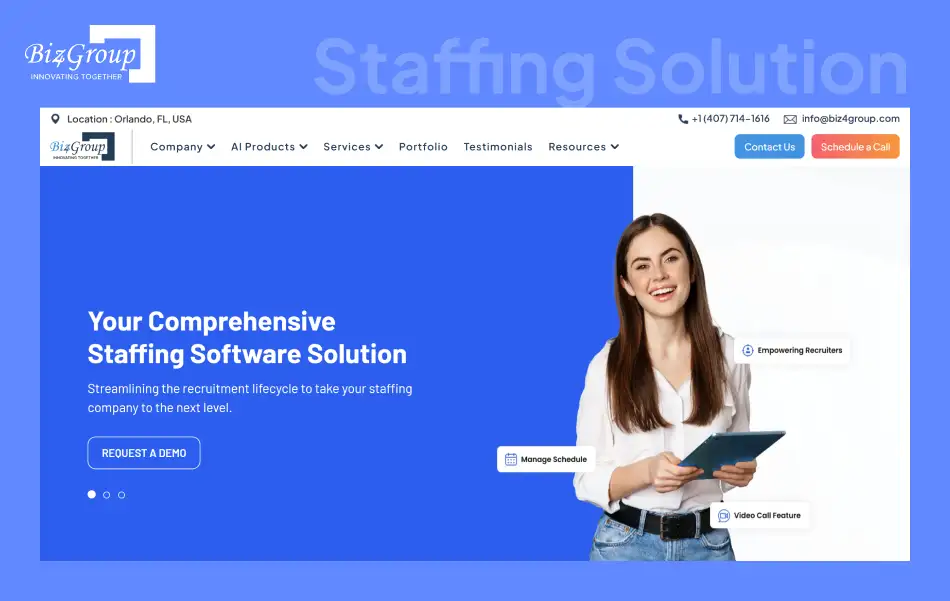
Biz4Staffing is a custom staffing software platform designed to centralize candidate management, payroll, communication, and employer workflows. While built for the broader staffing domain, its architecture mirrors the operational backbone required by nurse staffing agencies managing credentials, placements, and multi stakeholder coordination at scale.
With this structure in place, it becomes much easier to create nurse staffing agency platforms that support growth without making operations harder. That sets the stage for understanding why many agencies choose to invest in custom software next.
Turn Staffing Complexity into Clarity
Explore how nurse staffing agency software development can simplify scheduling, compliance, and daily operations as your agency grows.
Plan My Nurse Staffing SoftwareWhy Invest in Custom Nurse Staffing Software?
At a certain point, patching tools together stops working. Nurse staffing agency software development becomes less about adding features and more about protecting margins, visibility, and control as operations grow. Here are the reasons agencies make that shift.
1. Designed Around How Your Agency Actually Works
Off the shelf tools force teams to adapt their workflows to the software. Custom platforms are shaped around real scheduling, compliance, and placement patterns. This is the core advantage of custom nurse staffing software development when scale starts exposing cracks.
2. Better Control Over Compliance and Accuracy
As agencies expand across states, rules multiply fast. A dedicated system reduces manual checks and human errors. Many teams see value in AI in healthcare administration automation as compliance demands continue to rise.
3. Technology That Grows with the Business
Hiring more recruiters or onboarding new facilities should not mean rethinking your tech stack. A well-planned platform grows in step with demand. This long-term view is often guided by focused AI consulting services and thoughtful nurse staffing application development.
Ultimately, investing in a custom solution is about future proofing operations without overcomplicating today. Once that foundation is clear, it’s helpful to know how the software delivers the most value across daily workflows.
Top Use Cases of Nurse Staffing Agency Software Development
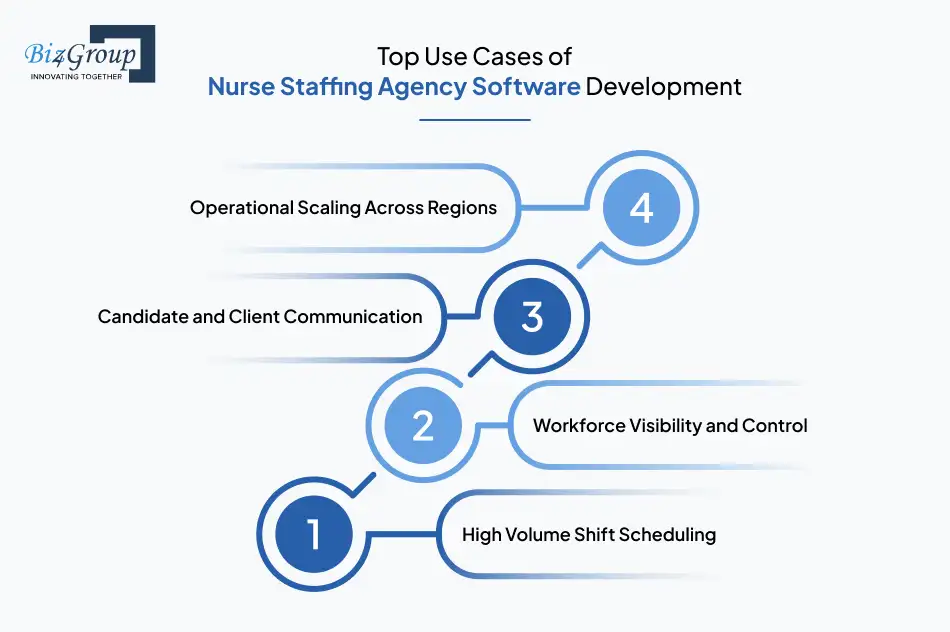
As agencies grow, everyday problems start repeating at scale. Nurse staffing agency software development shows its value in very specific situations where speed, accuracy, and coordination matter most.
The most common use cases usually look like the ones below:
1. High Volume Shift Scheduling
Agencies managing hundreds of open shifts daily need predictability. Centralized logic reduces overlaps, gaps, and last minute chaos. Many teams choose to build nurse scheduling and staffing software to keep placement velocity high without burning out recruiters.
- Example: Filling multiple hospital shifts across different locations within hours instead of days
2. Workforce Visibility and Control
As headcount grows, tracking availability and credentials becomes harder. Platforms built to develop nurse workforce management software bring clarity across recruiters, nurses, and facilities. This layer is often enhanced with AI automation services to reduce manual coordination.
- Example: Real time visibility into who is cleared and available for urgent assignments
3. Candidate and Client Communication
Constant calls and emails slow everyone down. Structured communication flows improve response times and reduce missed updates. Some agencies seek help from an AI chatbot development company to support basic interactions at scale.
- Example: Nurses receiving instant confirmation when shifts are assigned or updated
4. Operational Scaling Across Regions
Expanding into new states introduces new rules and workflows. Purpose built platforms help agencies create nurse staffing agency systems that adapt without breaking existing processes. At this stage, many teams decide to hire AI developers to support smarter logic as complexity increases.
- Example: Managing multi state staffing requirements from one unified system
| Use Case Area | Core Focus | Outcome |
|---|---|---|
|
Scheduling |
Shift fulfillment |
Faster placements |
|
Workforce |
Availability and credentials |
Better visibility |
|
Communication |
Nurse and client updates |
Fewer delays |
|
Scaling |
Multi region operations |
Controlled growth |
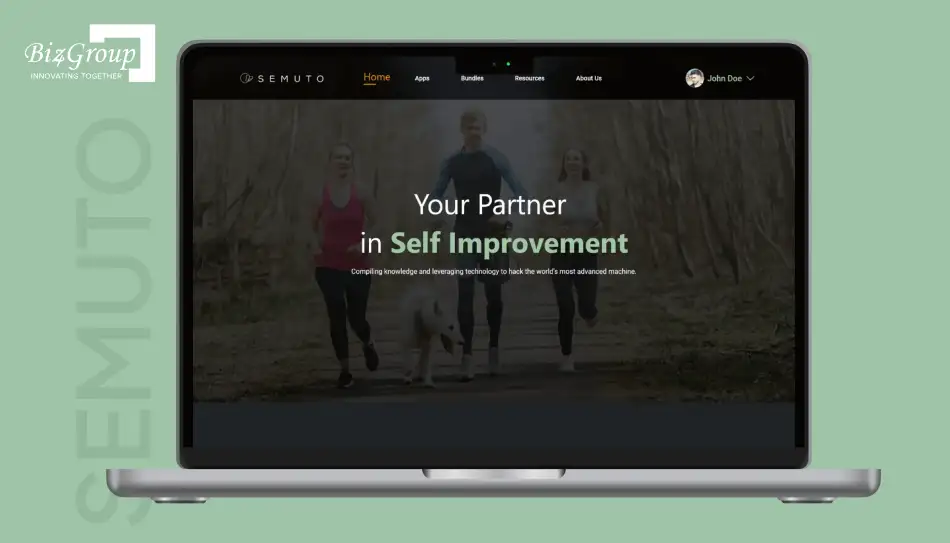
Semuto is a healthcare recommendation platform designed by Biz4Group, that guides users toward relevant health applications and services based on individual needs. Its emphasis on personalized discovery, decision support, and structured data mapping aligns naturally with how staffing agencies match nurses to roles, facilities, and compliance requirements across dynamic environments.
Together, these use cases show where investment pays off fastest during nurse staffing software product development. From here, attention naturally shifts to the core features the software must include to support these scenarios reliably.
Design Software That Recruiters Actually Use
See how agencies approach nurse staffing application development with workflows built for real placement pressure.
Explore Software PlanningEssential Features in Nurse Staffing Software Product Development
At the feature level, nurse staffing agency software development is about removing friction from daily operations while keeping control firmly with the agency. These core capabilities define whether the platform supports growth or quietly slows teams down over time:
| Core Feature | What It Covers | Why It Matters |
|---|---|---|
|
Centralized Nurse Profiles |
Credentials, licenses, availability |
Single source of truth for staffing |
|
Shift Scheduling and Assignment |
Open shifts and placements |
Keeps fulfillment predictable |
|
Compliance and Credential Tracking |
State and facility requirements |
Reduces regulatory risk |
|
Recruiter Workflow Management |
Submissions, follow ups, approvals |
Supports daily operations |
|
Facility and Client Management |
Locations, contracts, needs |
Improves coordination |
|
Role Based Access Control |
Permissions by user role |
Protects sensitive data |
|
Basic Reporting and Visibility |
Schedules, placements, activity |
Enables operational awareness |
|
Real Time Notifications |
Shift and status updates |
Prevents missed changes |
As agencies mature, some platforms also explore options to integrate AI into an app to improve forecasting and reduce repetitive work, without changing how teams operate day to day.
When agencies choose to build custom nurse staffing software for agencies, these core features become the foundation everything else depends on. Once that base is in place, it’s time to consider which advanced capabilities are worth layering in next.
Advanced Features in Custom Nurse Staffing Software Development
After core functionality settles in, advanced capabilities start doing the quiet heavy lifting. Nurse staffing agency software development at this stage shifts from keeping things running to helping teams see ahead and move faster. These are the enhancements agencies usually explore next.
1. Smarter Forecasting and Capacity Planning
Instead of reacting to open shifts, teams begin spotting patterns early. Historical data turns into signals that guide staffing decisions through predictive analytics. This kind of foresight is often powered by AI model development tuned to agency specific data.
2. Adaptive Matching Logic
As volume increases, static rules struggle to keep up. Matching improves when systems learn from outcomes and preferences. Many agencies lean on enterprise AI solutions to refine placement quality over time.
3. Always On Communication Support
Nurses and recruiters expect fast answers, even outside business hours. Automated conversations help reduce delays without adding staff. Thoughtful AI assistant app design plays a role in making these interactions feel natural.
4. Architecture Built for Expansion
Growth brings more users, more regions, and more complexity. Advanced platforms are structured to scale without rework or slowdowns. This is essential when teams aim to create nurse staffing platforms for workforce efficiency.

Dr Ara is an AI powered healthcare application focused on real time health insights and personalized guidance using structured data and predictive intelligence. The platform demonstrates how complex health workflows, secure data handling, and intelligent recommendations can coexist at scale, which closely mirrors the operational demands seen in modern nurse staffing systems.
The capabilities mentioned in the table support nurse staffing agency software development for business growth once the operational basics are in place. Now, let’s explore how to actually build the platform step by step.
How to Build Nurse Staffing Agency Software: A Step by Step Process
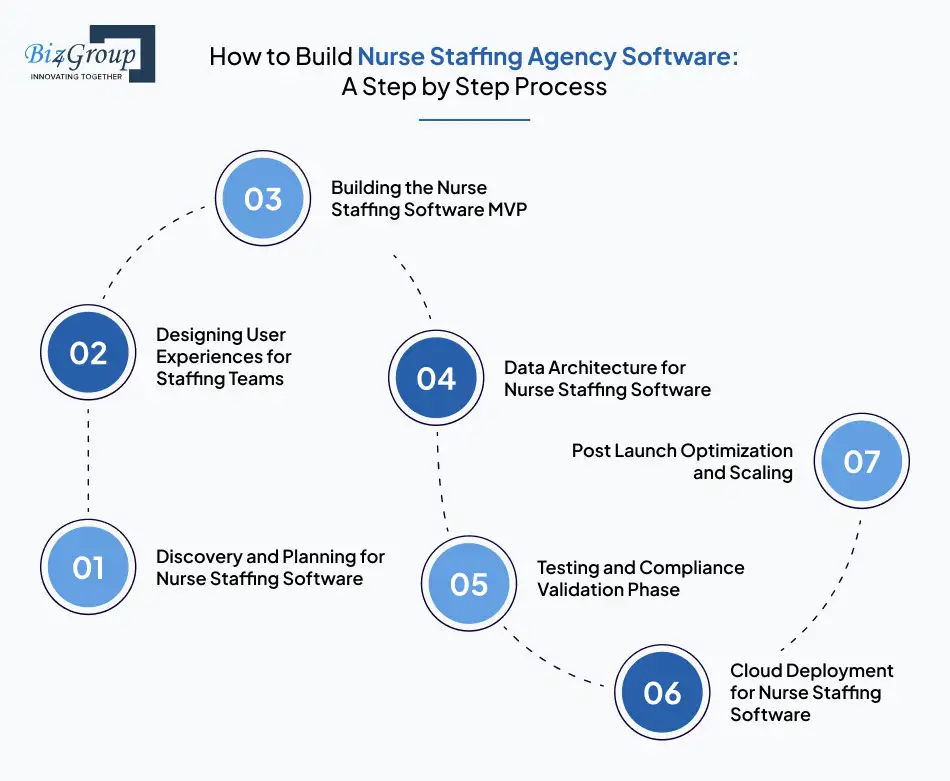
Building software for a nurse staffing agency is not about copying what other staffing platforms do. Nurse staffing agency software development works when the product mirrors how recruiters place nurses, how compliance teams think, and how agencies actually grow under pressure.
1. Discovery and Planning for Nurse Staffing Software
This step starts inside your agency, not inside a wireframe. Leaders look at where schedules break, where compliance checks slow placements, and where manual work creeps into every shift fill. The goal here is to make nurse staffing agency software with compliance features that reflect real state licensing rules and facility expectations.
- Recruiters and compliance managers outline daily bottlenecks.
- High risk workflows like credential expiration are prioritized.
- Clear outcomes such as faster fill rates or fewer compliance misses are defined.
2. Designing User Experiences for Staffing Teams
Nurse staffing teams do not have time to learn complex tools. Interfaces must feel obvious from the first click. This stage answers how to build nurse staffing agency software step by step in a way recruiters and nurses actually use during busy shifts. Many business also collaborate with a UI/UX design company to get things going.
- Recruiter flows are designed around placing nurses quickly.
- Nurse views focus on availability, shifts, and confirmations.
- Designs are tested against real placement scenarios.
Also read: Top 15 UI/UX Design Companies in USA: 2026 Guide
3. Building the Nurse Staffing Software MVP
The phase should support the busiest day your agency faces, not an ideal one. The MVP development services focuses on core workflows that keep revenue moving. Teams typically create nurse staffing software for scheduling and payroll early because delays here directly impact trust and cash flow.
- Shift creation and assignment logic is built first.
- Basic time tracking and rate handling are included.
- The foundation supports expansion without rebuilds.
Also Read: Top 12+ MVP Development Companies to Launch Your Startup in 2026
4. Data Architecture for Nurse Staffing Software
As placements increase, poor data structure becomes expensive. This stage focuses on building systems and training AI models that handle volume without slowing recruiters down. The priority is to build scalable nurse staffing management systems that keep performance steady during peak demand.
- Nurse and facility data models are standardized.
- Scheduling and compliance rules share a common logic layer.
- Historical placement data is structured for reporting.
5. Testing and Compliance Validation Phase
Staffing agencies operate across states with different rules. This step ensures the platform does not become a compliance liability. Testing focuses on real staffing situations, not theoretical cases.
- License validation rules are tested across jurisdictions.
- Access is restricted by recruiter and admin roles.
- End-to-end placement journeys are simulated.
Also Read: Software Testing Companies in USA
6. Cloud Deployment for Nurse Staffing Software
Staffing demand spikes without warning, especially during shortages. Infrastructure must flex without recruiters noticing. This is where teams develop cloud-based nurse staffing software solutions that stay responsive under pressure.
- Cloud environments scale with shift volume.
- Deployments are designed to avoid downtime.
- System health is monitored continuously.
7. Post Launch Optimization and Scaling
Once live, the software shows how the agency really works. This stage is about refining based on reality, not assumptions. Small changes here often deliver the biggest operational gains.
- Recruiter feedback highlights friction points.
- Placement data guides workflow improvements.
- New features roll out in controlled iterations.
When this process is grounded in actual staffing operations, software becomes a competitive advantage instead of another tool to manage. With the build path clear, the next focus naturally shifts to the technology choices that support this kind of platform long term.
Build for Scale Without Rework
Learn what it takes to build nurse scheduling and staffing software that holds up during demand spikes and multi state expansion.
Start My Nurse Staffing Software RoadmapTech Stack to Develop Cloud Based Nurse Staffing Software Solutions
In nurse staffing agency software development, missing a layer in the stack usually shows up later as delays, outages, or unhappy recruiters. This stack covers what agencies actually need to run scheduling, compliance, and growth without friction:
| Label | Preferred Technologies | Why It Matters |
|---|---|---|
|
Frontend Framework |
ReactJS, VueJS |
Recruiter and nurse workflows stay fast and intuitive with ReactJS development |
|
Server-Side Rendering & SEO |
NextJS, NuxtJS |
NextJS development supports performance and role based views |
|
Backend Framework |
NodeJS, Python |
Core logic runs reliably using NodeJS development and Python development |
|
REST, GraphQL |
APIs connect scheduling, compliance, payroll, and mobile apps cleanly |
|
|
Mobile Access Layer |
React Native, Flutter |
Enables nurses to manage shifts on the go |
|
AI & Data Processing |
TensorFlow, PyTorch |
Powers intelligent staffing insights without slowing operations |
|
Database Layer |
PostgreSQL, MongoDB |
Handles complex nurse, facility, and credential relationships |
|
Cloud Infrastructure |
AWS, Azure |
Scales during shortages and seasonal demand spikes |
|
Security & Access Control |
OAuth, RBAC |
Protects nurse data and client contracts |
|
Integrations & Webhooks |
Webhooks, Event Streams |
Keeps third party systems in sync |
|
CI/CD & Deployment |
GitHub Actions, Jenkins |
Releases updates without disrupting live staffing |
|
Testing & QA |
Cypress, Selenium |
Prevents scheduling and compliance failures in production |
|
Monitoring & Logging |
Prometheus, ELK Stack |
Alerts teams before recruiters feel issues |
This stack reflects how modern nurse staffing platforms are actually built and maintained. With architecture clarified, teams can plan confidently for scale, reliability, and change, knowing their technology foundation supports long term nurse staffing agency software development without unnecessary rebuilds or risk.
Cost of Nurse Staffing Agency Software Development by Scale
The cost of building custom software depends on how much you want it to do on day one versus how much you plan to grow into. For most agencies, nurse staffing agency software development typically falls in the $30,000 to $200,000+ range. This is a ballpark figure, shaped by scope, complexity, and long-term goals:
|
Build Level |
Typical Cost Range |
What It Usually Covers |
Best Fit For |
|---|---|---|---|
|
MVP Nurse Staffing Agency Software |
$30,000 to $60,000 |
Core scheduling, basic compliance, recruiter workflows |
New or growing agencies validating ideas |
|
Mid-Scale Nurse Staffing Agency Software |
$60,000 to $120,000 |
Multi facility support, reporting, integrations |
Agencies expanding across regions |
|
Enterprise-Grade Nurse Staffing Agency Software |
$120,000 to $200,000+ |
Advanced compliance, scalability, automation |
Large staffing firms with complex operations |
Several factors push costs up or down. Custom workflows, multi state compliance logic, integrations with payroll or credentialing tools, and the decision to layer in intelligence all play a role. Agencies that develop nurse staffing software for healthcare staffing firms often budget more upfront to avoid costly rebuilds later.
Some teams also explore business app development using AI once core operations are stable, which can add to the budget but improve efficiency over time. With cost expectations set, the next practical consideration becomes how the platform can generate returns beyond operational savings.
Invest With Cost Clarity
Understand timelines, scope, and what impacts cost when you develop nurse staffing software for healthcare staffing firms.
Estimate My Build CostMonetization Paths in Nurse Staffing Software Product Development
Revenue planning usually becomes relevant once software is embedded into daily operations. Nurse staffing agency software development creates monetization opportunities when the platform becomes central to placements, compliance, and coordination across facilities. The most practical models are outlined below.
1. Subscription Based Platform Access
Agencies charge recurring fees based on recruiter seats, nurse volume, or facilities managed. This model works when the platform becomes essential to daily workflows and is supported by ongoing nurse staffing software development services.
- Example: A monthly subscription priced by active recruiters, with higher tiers unlocking additional facilities and administrative controls.
2. Usage Based or Per Placement Pricing
Revenue is tied directly to activity inside the system rather than flat access. This aligns software value with real output when agencies develop nurse staffing agency software closely connected to scheduling and confirmations.
- Example: A small fee applied to each successfully filled shift, scaling naturally during seasonal demand spikes.
3. White Label Platform Licensing
Some agencies license their internal system to smaller firms or regional partners. This requires stability and ease of use, and many platforms reduce support load through AI chatbot integration.
- Example: A regional staffing firm offering a branded version of its platform to local agencies under annual licensing agreements.
4. Value Added Feature Monetization
Advanced capabilities are offered as optional upgrades once core adoption is strong. This model works well when agencies build nurse staffing management software with modular expansion in mind.
- Example: Premium analytics or automation features available only on higher plans.
5. Data and Insight Driven Offerings
As platform data matures, insights themselves become a revenue stream. Some agencies explore generative AI with support from an AI app development company to package workforce trends into actionable outputs for clients.
- Example: Selling predictive staffing reports or demand forecasts to healthcare facilities on a recurring basis.
6. Freemium With Controlled Access
Freemium can work when the goal is adoption rather than immediate revenue, but only if the free tier is deliberately limited. In staffing contexts, it is often supported by chatbot development for healthcare industry use cases to guide users toward paid plans.
- Example: A free tier limited to one facility and a small nurse count, with compliance management and reporting available only on paid tiers.
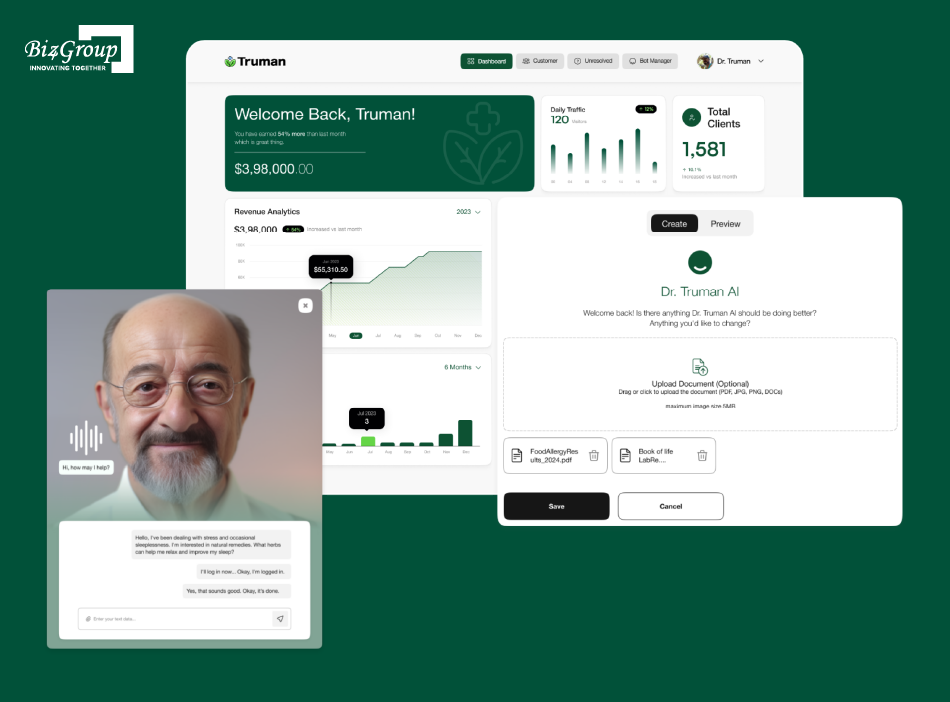
Truman is an AI driven wellness platform developed by Biz4Group, which delivers personalized health insights, subscriptions, and ongoing engagement through intelligent data analysis. The product highlights how long-term user engagement, automation, and secure personalization can be built into regulated healthcare systems, which directly translates to scalable nurse staffing platforms managing ongoing workforce relationships.
In practice, agencies often blend these models as they create nurse staffing agency platforms that mature over time. Once monetization paths are clear, focus naturally shifts to best practices that keep development aligned with long term operational goals.
Challenges in Nurse Staffing Agency Software Development and How to Solve Them
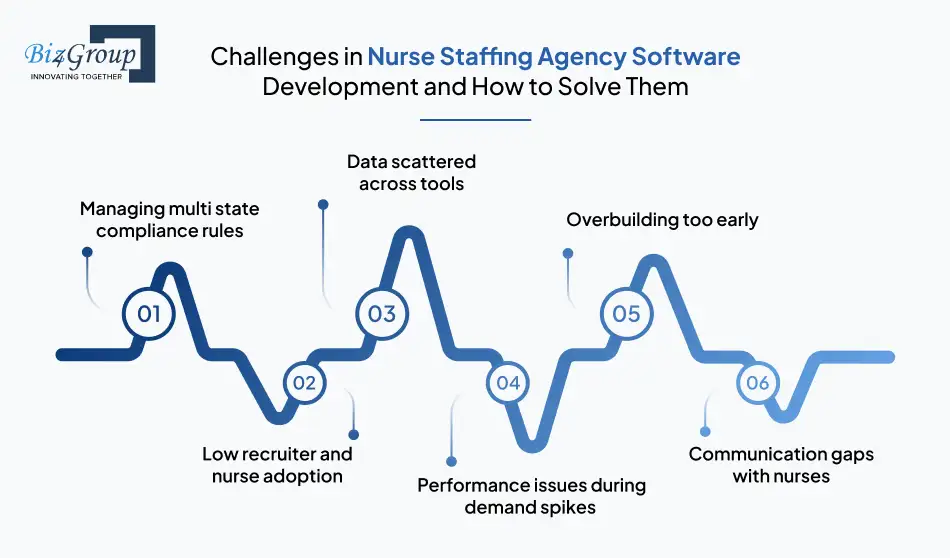
Even strong agencies hit friction once software becomes central to operations. Nurse staffing agency software development brings clear advantages, but only when common hurdles are addressed early and intentionally. The most frequent challenges tend to show up in the areas below:
|
Top Challenges |
How to Solve Them |
|---|---|
|
Managing multi state compliance rules |
Design compliance logic around state specific licensing and facility requirements from day one |
|
Low recruiter and nurse adoption |
Involve real users early and simplify daily workflows instead of adding features |
|
Data scattered across tools |
Consolidate scheduling, credentials, and availability into a single system |
|
Performance issues during demand spikes |
Plan infrastructure to scale predictably during shortages and peak seasons |
|
Overbuilding too early |
Start lean and expand through custom nurse staffing software development as usage patterns become clear |
|
Communication gaps with nurses |
Use guided interactions inspired by a healthcare conversational AI guide to reduce missed updates |
Addressing these hurdles early keeps software aligned with how agencies actually operate under pressure. Once challenges are managed effectively, attention naturally turns to what the future holds for nurse staffing platforms and how they continue to evolve.
Best Practices to Develop Nurse Staffing Agency Software
Strong results come from discipline, not shortcuts. Nurse staffing agency software development works best when decisions reflect how agencies operate on busy days, across states, and under constant pressure.
These best practices consistently support long term success:
1. Anchor Decisions in Real Staffing Scenarios
Effective platforms are designed around real recruiter workflows, not ideal ones. This means testing scheduling, credential checks, and last-minute changes as they actually happen. Doing this early keeps nurse staffing application development grounded and usable.
2. Design for Change from the Start
Regulations, demand, and staffing models rarely stay still. Systems should be flexible enough to evolve without rewrites or downtime. Many agencies reduce long term risk by working with a software development company in Florida experienced in scalable staffing platforms.
3. Keep Communication Simple and Visible
Silence creates confusion faster than bugs. Clear updates for nurses and recruiters reduce missed shifts and follow ups. Some teams experiment with patterns similar to an AI conversation app to improve responsiveness without adding overhead.
4. Treat Scheduling as the Core Engine
Scheduling touches compliance, payroll, and client satisfaction all at once. Performance matters most during sudden demand spikes and shortages. This focus helps teams build nurse scheduling and staffing software that remains reliable under pressure.
Following these practices keeps the platform aligned with how staffing agencies actually grow. With execution discipline in place, the conversation shifts toward the future trends related to the technology.
Turn Software Into a Revenue Asset
Discover how agencies create nurse staffing agency platforms that support new revenue models beyond internal operations.
Explore Monetization OptionsFuture of Nurse Staffing Agency Software Development
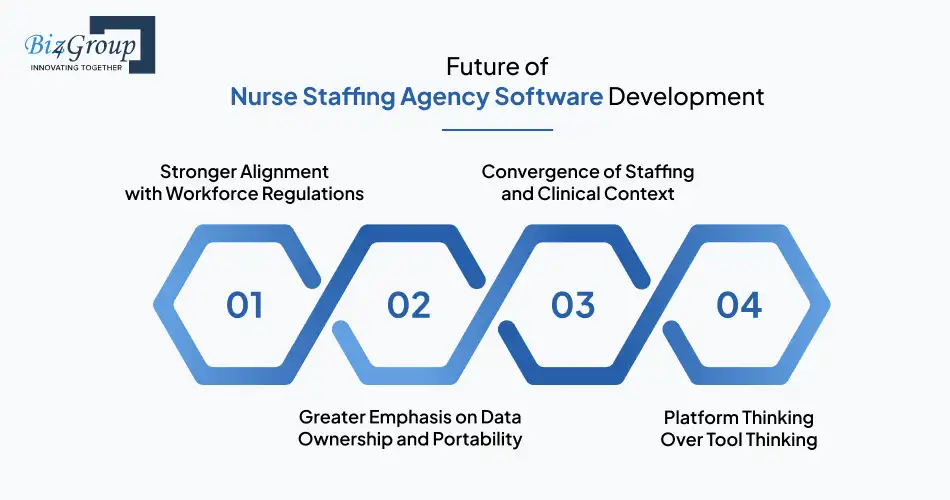
The future of staffing technology is being shaped as much by policy, workforce behavior, and consolidation as by technology itself. Nurse staffing agency software development is moving toward platforms that reflect how agencies will operate five years from now, not how they operate today. Several shifts stand out, the most anticipated of them all are listed below:
1. Stronger Alignment with Workforce Regulations
As staffing regulations tighten and vary more by state, platforms will increasingly embed regulatory awareness into their foundations. Agencies will look to develop nurse workforce management software that stays current without constant manual updates. This trend is already influencing long term roadmaps designed with guidance from top AI development companies in Florida.
2. Greater Emphasis on Data Ownership and Portability
Agencies are becoming more cautious about vendor lock in and data silos. Future platforms will prioritize clean data models and exportability so agencies retain control as they scale or merge. This shift affects how leaders create nurse staffing agency systems that support acquisitions and partnerships.
3. Convergence of Staffing and Clinical Context
While staffing tools will not replace clinical systems, they will increasingly sit closer to them. Concepts from adjacent healthcare technologies, including AI chatbot development for medical diagnosis, will influence how staffing platforms contextualize skills, credentials, and experience. This convergence is shaping longer term thinking in nurse staffing software product development.
4. Platform Thinking Over Tool Thinking
The future favors platforms that evolve with the business rather than fixed tools that age quickly. Agencies are planning software as infrastructure rather than projects. This mindset is reinforced by advances in AI medical web development, which encourage modular, long living systems.
Taken together, these shifts point toward staffing software that is less reactive and more intentional. Now let’s dive into the part where we discover who should be trusted to design and build platforms that last.
Why Choose Biz4Group for Nurse Staffing Agency Software Development
Choosing a development partner for nurse staffing software is less about promises and more about proof. Biz4Group operates as an experienced AI development company w with hands on expertise in nurse staffing agency software development, where accuracy, adoption, and scalability are non negotiable.
Biz4Group’s work on Dr Ara highlights how intelligent healthcare systems can manage sensitive data while delivering real time insights. Semuto showcases the ability to build recommendation driven platforms that align users with the right outcomes, a close parallel to nurse placement logic. With Truman, Biz4Group has demonstrated how to sustain long term engagement in regulated wellness environments.
Here's what makes our nurse staffing software development services the top choice for staffing agencies:
- Practical experience across healthcare, AI, and staffing platforms
- Proven ability to translate complex workflows into usable software
- Strong emphasis on scalability, security, and real-world adoption
Rather than starting from assumptions, Biz4Group builds on patterns already proven in live platforms. This foundation helps agencies move from planning to execution with clarity and confidence.
Prepare for What's Next in Staffing Tech
Plan ahead with insights into custom nurse staffing software development built for long term growth and change.
Launch My Nurse Staffing PlatformWrapping Up: Nurse Staffing Agency Software Development
Nurse staffing software is rarely about flashy features. It is about fewer last minute scrambles, cleaner compliance, and systems that quietly keep up when demand does not. When built with intention, nurse staffing agency software development becomes a strategic asset, not another tool to manage.
Working with an experienced AI product development company helps ensure the platform grows with your agency instead of slowing it down.
Talk Through Your Nurse Staffing Software Idea
Get clarity on scope, timelines, and what makes sense for your agency today.
FAQs on Nurse Staffing Agency Software Development
1. How long does it take to build nurse staffing agency software?
Timelines depend on scope and clarity. A focused MVP can take 3 to 4 months, while a full platform often takes longer when teams develop nurse staffing software for healthcare staffing firms with compliance, integrations, and scalability in mind.
2. What is the cost of nurse staffing agency software development?
The cost typically ranges between $30,000 and $200,000+, depending on features, integrations, and long term goals. This range reflects real world budgets when organizations plan to build scalable nurse staffing management systems rather than short term tools.
3. Can nurse staffing software handle multi state licensing and compliance?
Yes, but only if compliance is designed into the foundation. Agencies that make nurse staffing agency software with compliance features early avoid constant rework as they expand into new states and facility types.
4. Is custom nurse staffing software better than using multiple off the shelf tools?
Custom solutions often perform better at scale because workflows stay unified. Many agencies choose to build custom nurse staffing software for agencies to reduce data silos and manual reconciliation across systems.
5. What integrations are most important for nurse staffing platforms?
Key integrations usually include payroll, credentialing, background checks, and communication tools. These become especially important when teams create nurse staffing software for scheduling and payroll to reduce administrative effort.
6. How do agencies drive recruiter and nurse adoption of new software?
Adoption improves when software mirrors real workflows and removes friction. Agencies see better results when they build nurse scheduling and staffing software around daily recruiter actions instead of abstract feature sets.
