Location :
Orlando, FL, USA
Location :
Orlando, FL, USA +1 (407) 714-1616
 info@biz4group.com


















Imagine a digital system that doesn’t wait for instructions but instead, understands your business goals, learns from real-time feedback, and takes independent actions to get the job done.
Read More

Building an AI startup looks exciting from the outside, but founders know the reality is messy decisions, tight runways, and constant pressure to prove value fast. Somewhere between the first model and the first paying customer, clarity becomes everything. That is usually when founders, CTOs, and operators start searching for successful AI startup case studies to understand what actually works, including how startups scale fast with AI as a service, asking prompts like:
The interest is not hype driven, and even if it is, the market stats are living up to it:
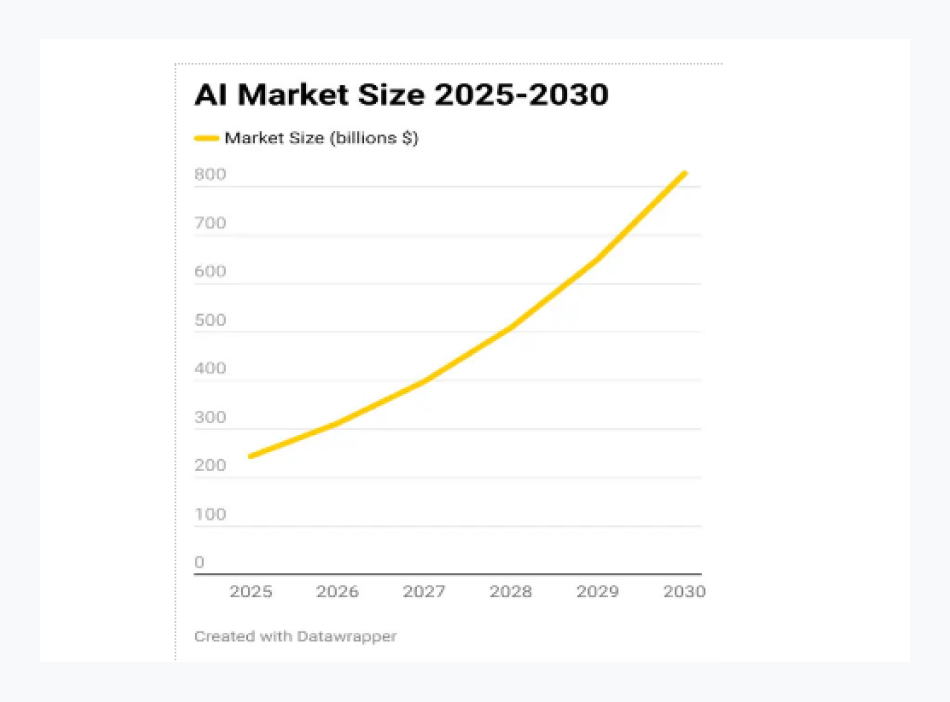
What separates noise from signal is execution. The latest AI business success stories case studies 2026 show that profitability rarely comes from breakthrough models alone, but from disciplined product thinking, timing, and customer alignment. The sections ahead break down what these startups did differently and why their paths are worth studying closely.
AI is everywhere now, which is exactly why case studies matter more than ever. When everyone claims to be “AI powered,” the only thing that cuts through the noise is proof. Case studies show what actually worked, what didn’t, and what it took to make AI useful in the real world.
The case studies that stand out in 2026 are not about bold ideas. They are about practical decisions, steady execution, and real results.
By 2026, AI adoption has settled into everyday business life. Startups are building products for users who already expect AI to be part of the experience.
Here is what the adoption landscape looks like:
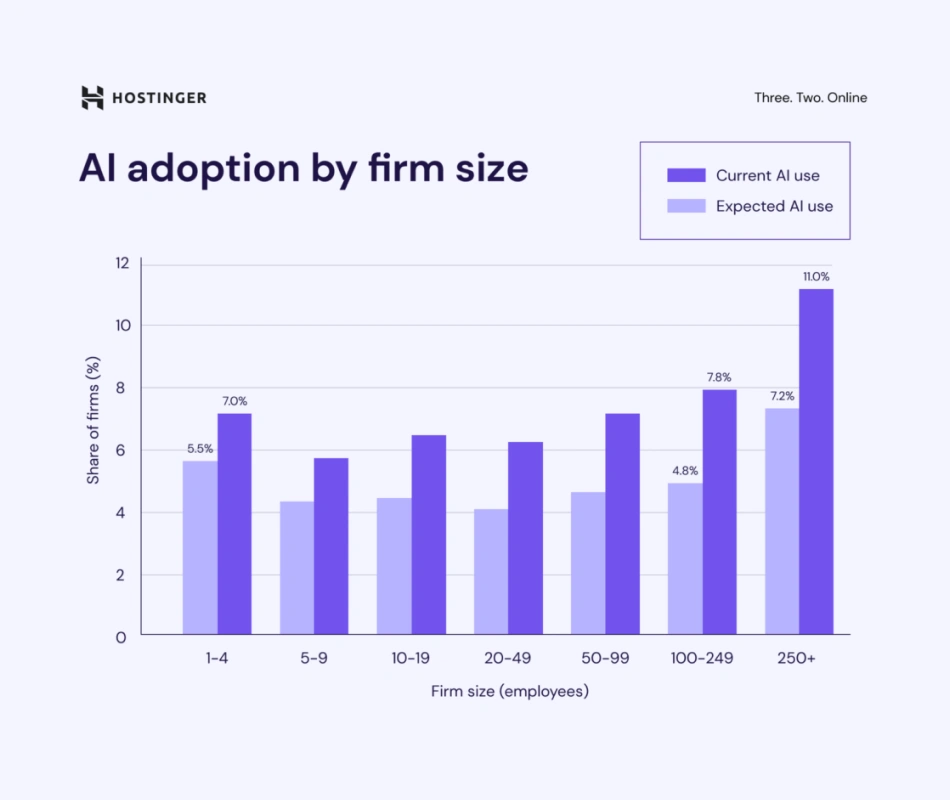
This explains why many AI startup success stories today focus on how smoothly teams integrate AI into an app rather than how advanced their ideas sound.
Investors in 2026 are not easily impressed by the words “AI powered.” This shift shows up clearly across successful AI startup case studies.
What investors usually want to see now:
AI startups continue to attract a large share of global funding, but the bar is higher than before
Many investors now compare startups against benchmarks from AI consulting case studies 2026, where AI directly improves efficiency, margins, or decision making. Startups that invest early in AI model development tend to stand out faster.
When you look closely at successful AI startup case studies, most of them are not solving futuristic problems. They are fixing everyday business headaches.
Common problems AI helps startups solve
Startups using AI early often report better efficiency and faster growth
This is where patterns from AI business transformation case studies 2026 become clear. Founders lean on AI automation services to reduce workload and keep teams focused on what actually moves the business forward.
By 2026, almost every founder has an AI idea. That alone does not put you in the list of successful AI startup case studies.
What really makes the difference
Many startups struggle not because their idea was bad, but because they underestimated how much work it takes to run AI in the real world. The startups that succeed often treat AI like core infrastructure.
That is why some founders choose to work with an AI app development company or decide to hire AI developers early. More than the hype, it has now become all about execution, which still separates the strong from the forgettable ones across AI business transformation case studies 2026.
Learn from successful AI startup case studies and apply the same principles to build a product that actually scales.
Start Building My AI Product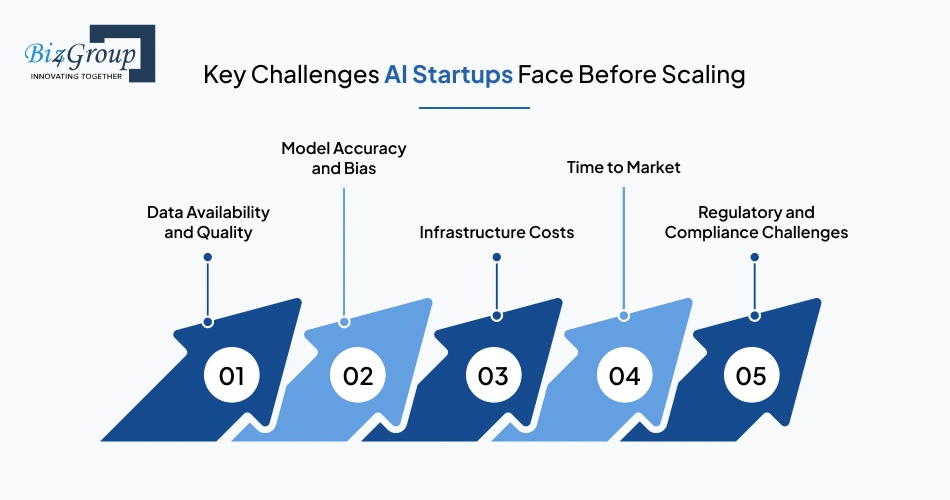
Every AI startup looks confident at the idea stage. The hard part starts when real users show up. Scaling brings a different set of problems than building, and many startups hit the same walls at the same time, whether they expect it or not.
Many startups start building before they truly understand their data. In several AI innovation case studies, teams realized too late that their data was incomplete, messy, or biased. Without good data, models struggle, and progress slows until the data problem is fixed.
Early models often look great in demos but behave differently once real users get involved. This shows up often in innovative AI use cases, where accuracy drops or bias becomes visible. Fixing this takes time, testing, and patience, especially as user numbers grow.
As AI usage increases, costs do too. Many successful AI startup case studies mention surprise cloud bills and rising compute needs. Some founders manage this by keeping systems simple or working with an AI development company to avoid unnecessary complexity early on.
Waiting too long to launch can be risky. Several AI startup success stories show that startups who ship early and improve based on feedback tend to move faster. Teams that focus on learning often outperform those trying to get everything perfect from the start.
Once AI products reach real users, rules and regulations come into play. Across different AI innovation case studies, startups faced questions around data privacy and transparency sooner than expected. This is especially common for customer facing tools built with help from an AI chatbot development company.
These challenges shape how startups grow. The teams that face them early and adjust quickly are the ones that later appear in strong AI startup success stories.
See how AI innovation trends and real execution come together in AI startup success stories, then turn those insights into action.
Explore My AI Product IdeaLooking at successful AI startup case studies across industries gives you a grounded view of what actually works in practice. AI does not behave the same way in healthcare, education, real estate, or entertainment.
These projects reflect what successful AI startups in 2026 are doing differently. They focus less on hype and more on execution, reliability, and measurable outcomes.
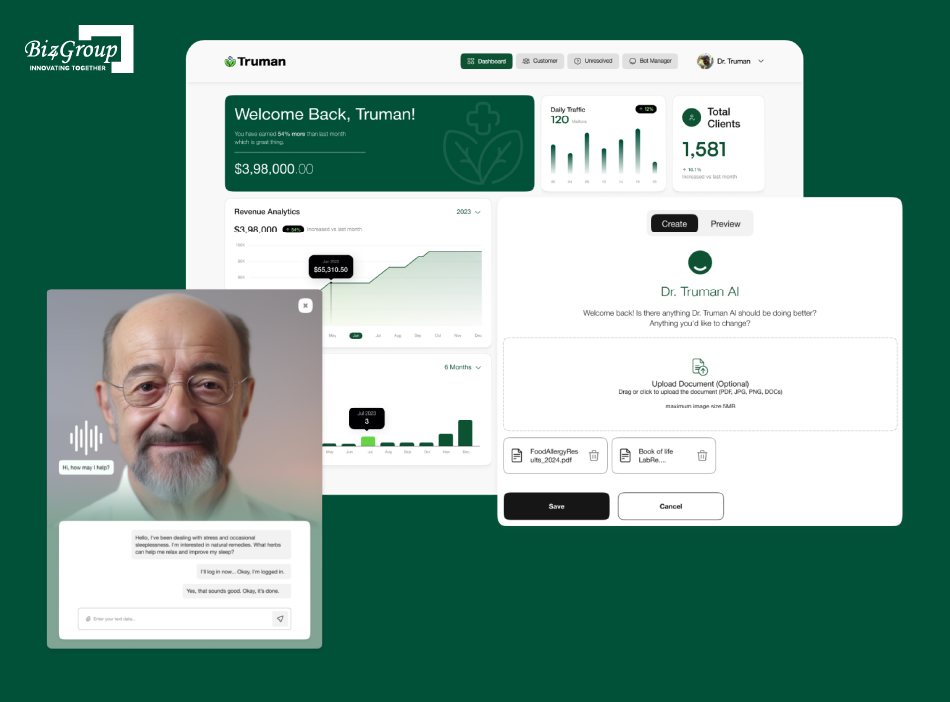
Industry: Healthcare
Business problem addressed: Lack of personalized patient guidance outside clinical settings
AI solution implemented and approach used: AI powered healthcare avatar delivering tailored recommendations
Technologies used: AI avatar systems, conversational AI, inference based logic
Measurable results achieved: Improved patient engagement and continuity of care
Key takeaway for founders and teams: Human like AI builds trust in sensitive healthcare use cases
Healthcare remains one of the clearest spaces for real world AI startup use cases, especially when products focus on ongoing engagement rather than one time interactions. Truman is an example of how thoughtful AI assistant app design can improve everyday decision making for users.
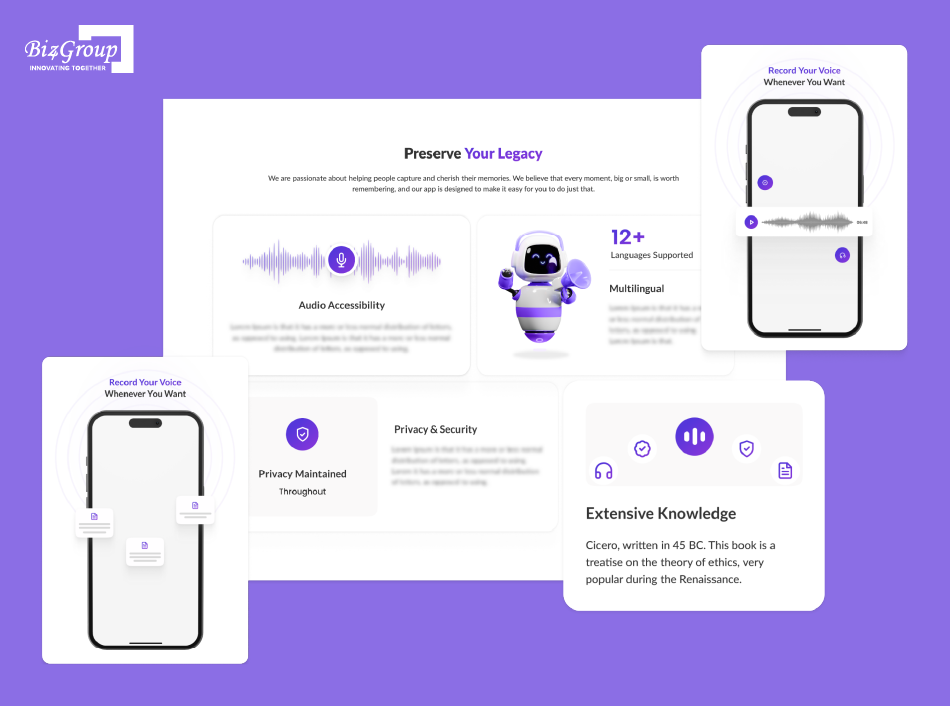
Industry: AI Digital Twin, Lifestyle
Business problem addressed: Limited tools for deep self reflection and identity expression
AI solution implemented and approach used: AI replicas built using personal life stories
Technologies used: AI persona modeling, narrative intelligence, generative systems
Measurable results achieved: Strong user retention through emotionally engaging experiences
Key takeaway for founders and teams: Emotional relevance can drive long term user engagement
Valinor reflects a growing class of AI driven startup success stories where emotional connection matters as much as technical depth. Products like this often rely on advances in generative AI to create personal experiences users return to voluntarily.
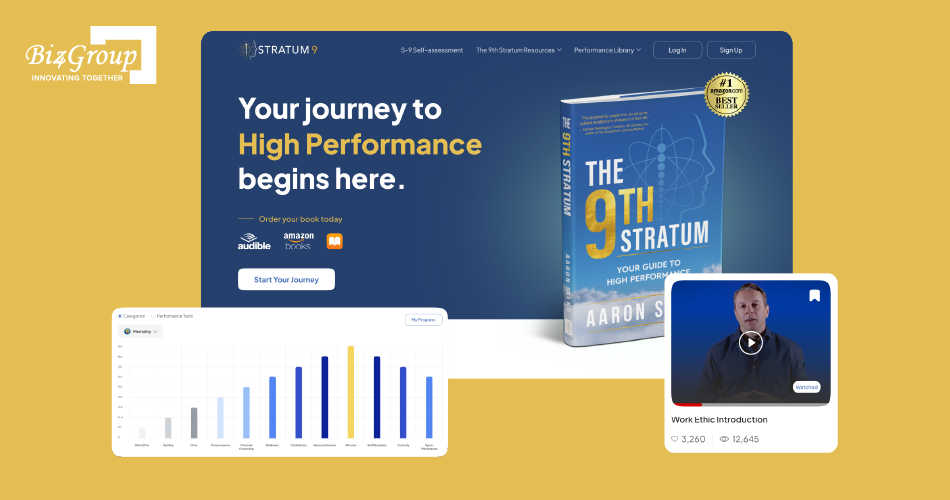
Industry: HR
Business problem addressed: Slow and subjective hiring decision processes
AI solution implemented and approach used: AI powered talent assessment and hiring platform
Technologies used: Predictive analytics, behavioral assessment models
Measurable results achieved: Faster hiring cycles and improved candidate quality
Key takeaway for founders and teams: Clear business impact accelerates enterprise adoption
Enterprise buyers often care about outcomes first. Stratum 9 Innerview aligns with AI use cases driving revenue in startups, where efficiency gains directly influence buying decisions. Many similar platforms also depend on strong enterprise AI solutions to scale across organizations.
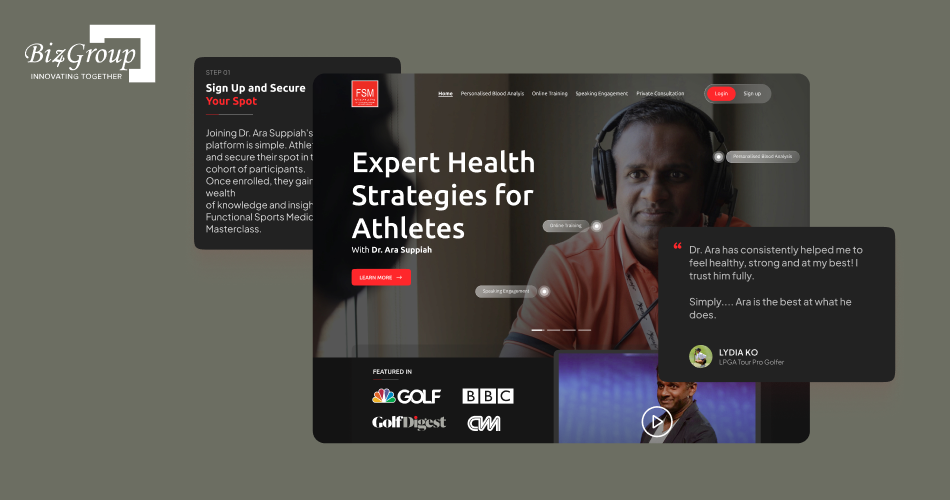
Industry: Healthcare, Sports
Business problem addressed: Lack of personalized performance insights for athletes
AI solution implemented and approach used: AI driven athletic performance enhancement application
Technologies used: Data driven performance analysis, AI recommendations
Measurable results achieved: Improved training outcomes and athlete engagement
Key takeaway for founders and teams: Niche focus often leads to stronger product fit
Dr ARA highlights one of the clearest patterns in how AI startups scale successfully. Start with a narrow audience, solve a specific problem well, and expand only after the core value is proven.
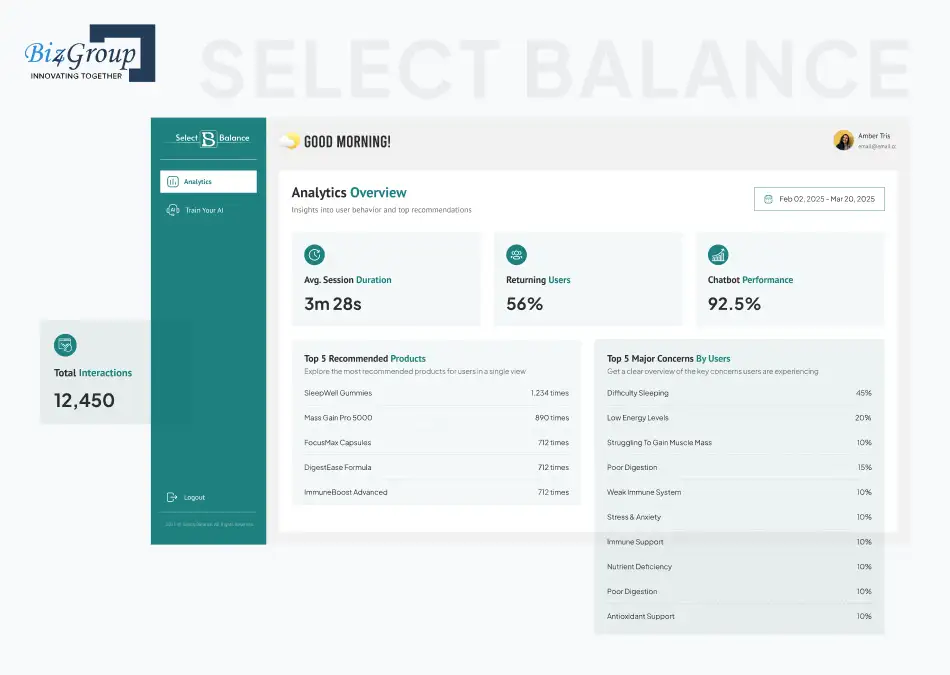
Industry: Healthcare
Business problem addressed: Difficulty choosing the right supplements confidently
AI solution implemented and approach used: AI powered chatbot delivering personalized supplement recommendations
Technologies used: Conversational AI, recommendation engines
Measurable results achieved: Higher conversion rates and repeat usage
Key takeaway for founders and teams: Guided decision making improves consumer trust
Consumer health platforms like Select Balance often benefit from working with an AI chatbot development company early. This helps founders focus on outcomes instead of rebuilding conversational logic repeatedly, a common theme in AI startup lessons and case studies.
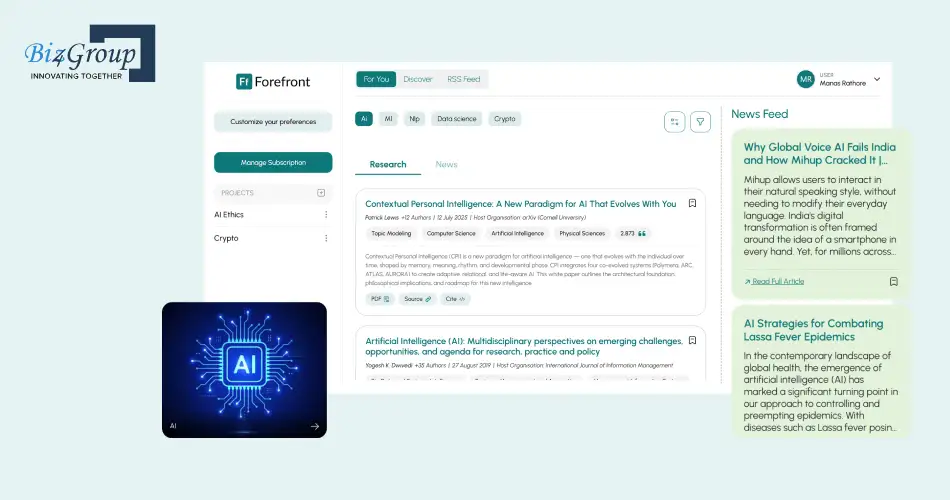
Industry: Research, Education
Business problem addressed: Time consuming research and knowledge discovery processes
AI solution implemented and approach used: AI powered research intelligence and discovery platform
Technologies used: Knowledge graphs, semantic search, AI summarization
Measurable results achieved: Faster research workflows and better insight discovery
Key takeaway for founders and teams: Time saving AI tools gain rapid adoption
Forefront represents profitable AI startup examples where the value is obvious and immediate. Reducing research time directly improves productivity, which is why platforms like this often scale faster in institutional environments.
The smartest founders follow real world AI startup use cases that drive outcomes, not hype. Build something users will actually adopt.
Validate My AI Use Case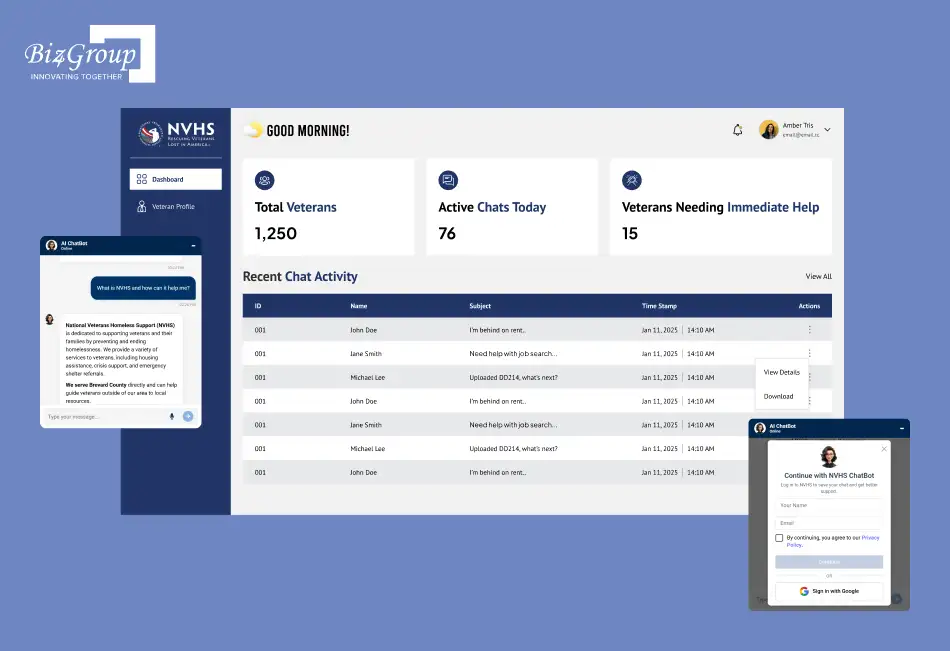
Industry: Wellness, Social Services
Business problem addressed: Limited access to personalized veteran support services
AI solution implemented and approach used: AI chatbot providing tailored veteran support guidance
Technologies used: Conversational AI, intent recognition
Measurable results achieved: Improved access to services and engagement
Key takeaway for founders and teams: Purpose driven AI can scale responsibly
Projects like NVHS show that real world AI startup use cases are not limited to commercial products. With the right approach and AI integration services, mission driven platforms can still achieve scale and sustainability.
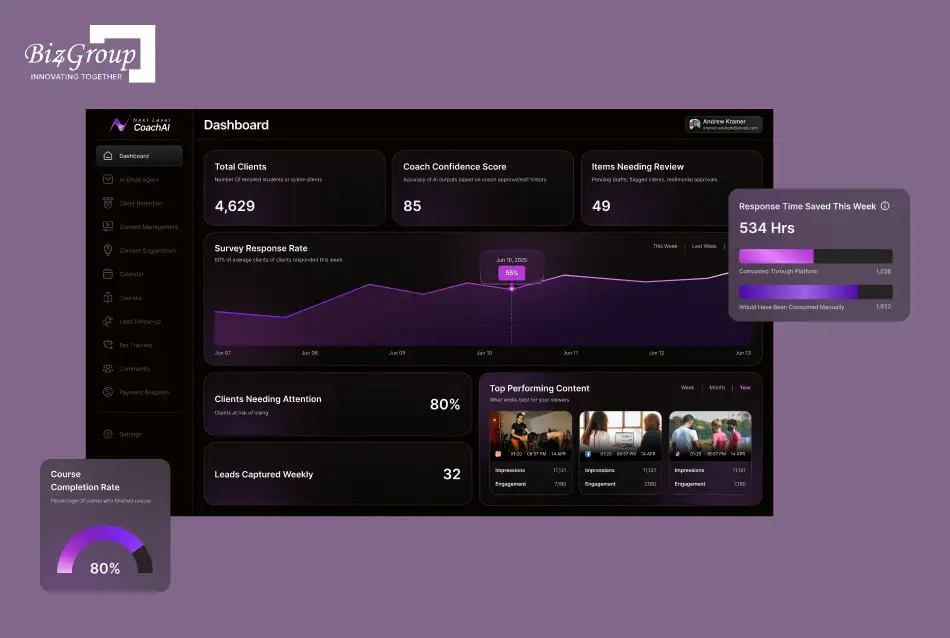
Industry: Workflow Automation, Creators
Business problem addressed: Manual workflows slowing coaches and educators
AI solution implemented and approach used: Multi agent AI automation platform
Technologies used: AI agents, workflow automation
Measurable results achieved: Significant reduction in repetitive manual tasks
Key takeaway for founders and teams: Automation focused products scale efficiently
Automation platforms like Coach AI are often cited in AI use cases driving revenue in startups, especially where time saved directly translates into higher earnings for users. Many founders also explore AI chatbot integration to extend automation into client communication.
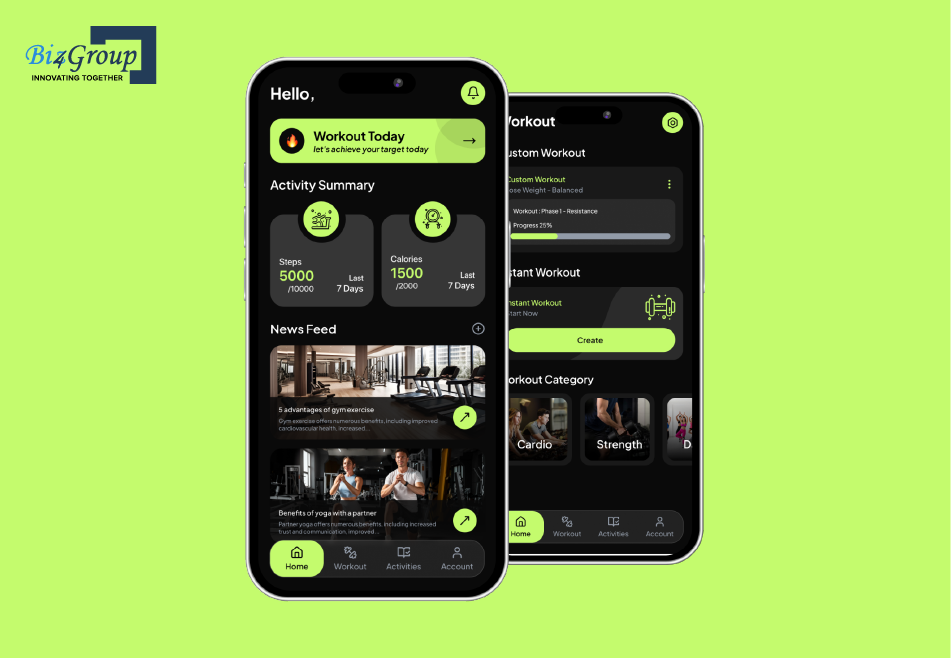
Industry: Wellness
Business problem addressed: Generic workouts lacking personalization and accuracy
AI solution implemented and approach used: AI powered workout and fitness analysis app
Technologies used: Image analysis AI, personalized recommendations
Measurable results achieved: Better workout adherence and user engagement
Key takeaway for founders and teams: Personalization increases long term usage
Fitness and wellness apps like Custom AI Workout App show how AI driven startup success stories often depend on personalization instead of scaling efforts. Many teams building similar products start with business app development using AI to validate demand quickly.
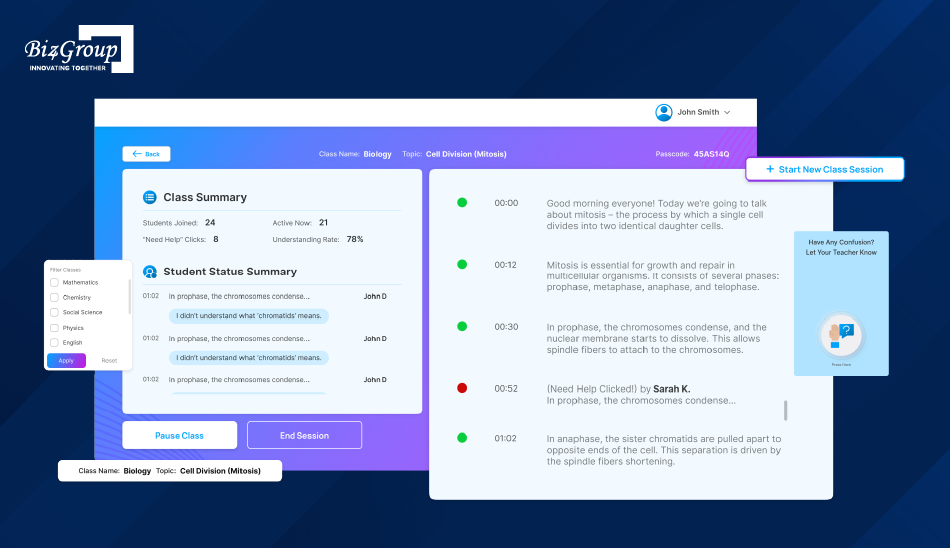
Industry: Education
Business problem addressed: Limited visibility into classroom engagement levels
AI solution implemented and approach used: AI powered classroom engagement application
Technologies used: Behavioral analysis, engagement tracking
Measurable results achieved: Improved student participation and focus
Key takeaway for founders and teams: AI works best when supporting educators
Education focused platforms contribute heavily to AI startup lessons and case studies, especially around adoption challenges. Products like Classroom Sync, that support humans rather than replace them tend to see steadier growth.
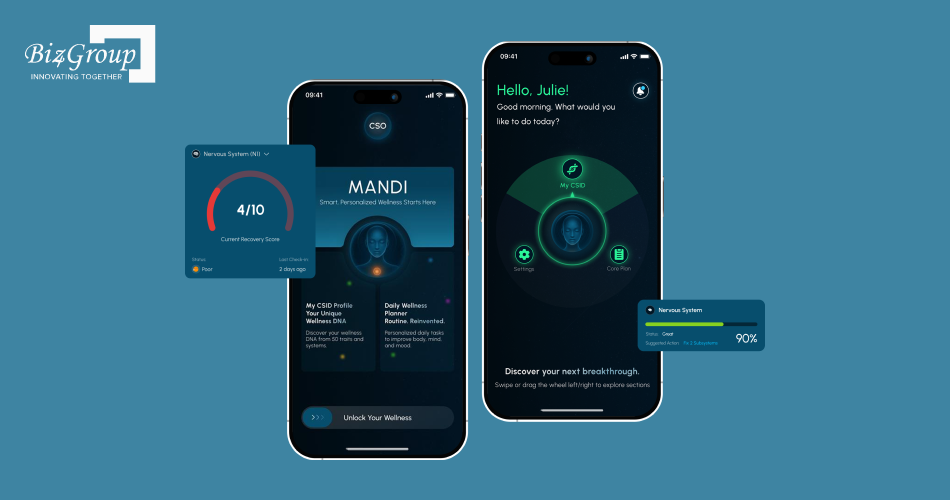
Industry: Wellness, Healthcare
Business problem addressed: Fragmented understanding of holistic health patterns
AI solution implemented and approach used: Inference based AI wellness platform
Technologies used: AI inference systems, health analytics
Measurable results achieved: Better visibility into user health trends
Key takeaway for founders and teams: Insight driven platforms outperform raw data tools
CSO reflects the most common patterns seen in successful AI startups in 2026, where insights matter a lot more than dashboards. Platforms that simplify complexity are easier to scale and easier to sell.
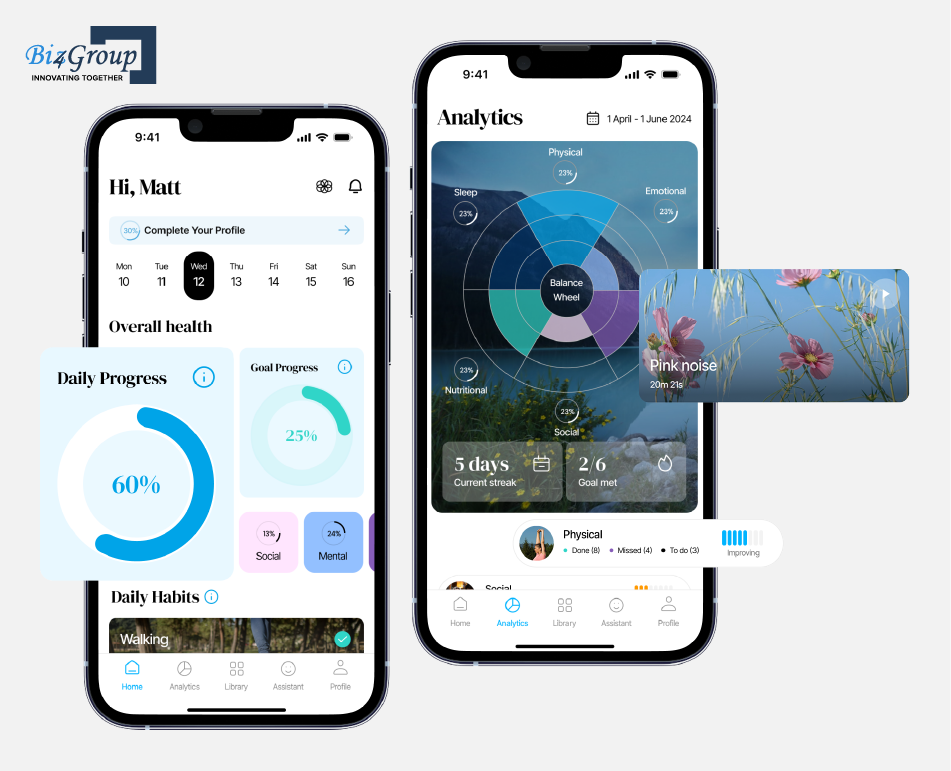
Industry: Personal Growth, Lifestyle
Business problem addressed: Lack of structured personal development guidance
AI solution implemented and approach used: AI powered personal development mobile application
Technologies used: Recommendation engines, behavioral AI
Measurable results achieved: Increased engagement through goal tracking
Key takeaway for founders and teams: Habit forming AI creates long term value
Personal growth apps like Quantum Fit are often cited as profitable AI startup examples because users return frequently. Many founders in this space choose to build an AI app early to test retention before scaling features.
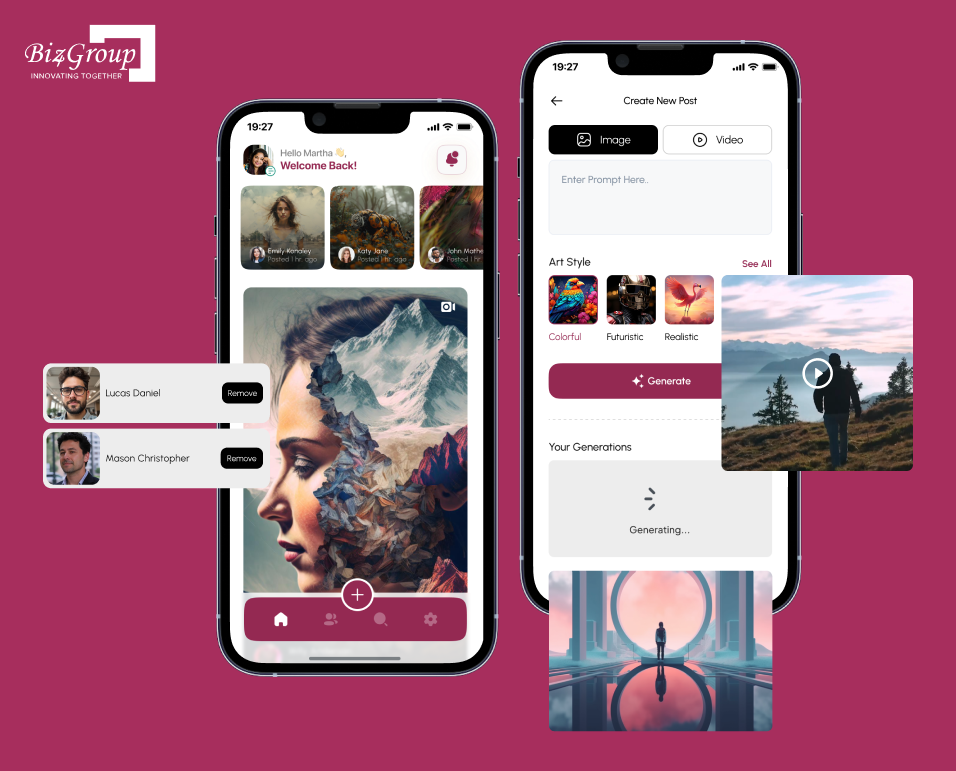
Industry: Social Media, Content Creation
Business problem addressed: Time intensive and inconsistent content creation
AI solution implemented and approach used: Generative AI platform for content creation
Technologies used: Text to image AI, text to video AI
Measurable results achieved: Faster content production and publishing
Key takeaway for founders and teams: Removing friction fuels creator adoption
AI-powered social media apps often dominate conversations around AI use cases driving revenue in startups, especially when output directly affects monetization. Many such teams work with an experts to accelerate iteration.
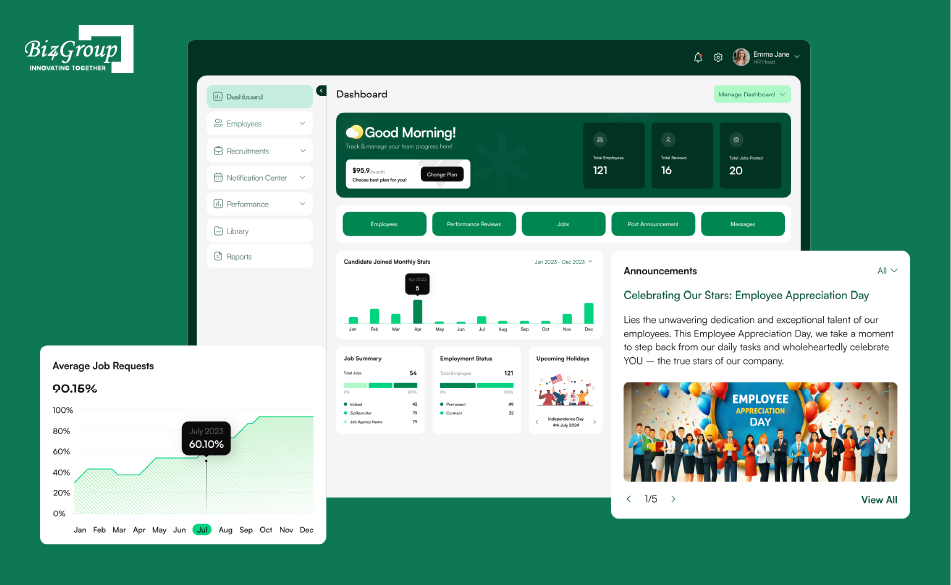
Industry: HR, Workforce Management
Business problem addressed: Manual and inefficient workforce management systems
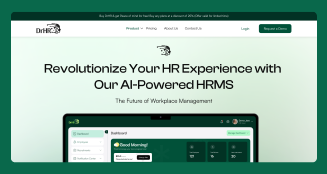
AI solution implemented and approach used: AI powered human resource management system
Technologies used: Predictive analytics, automation
Measurable results achieved: Streamlined HR operations and processes
Key takeaway for founders and teams: Operational AI fits naturally into SaaS
HR platforms like DrHR show how AI startups scale successfully by embedding intelligence into existing workflows instead of forcing behavior change.
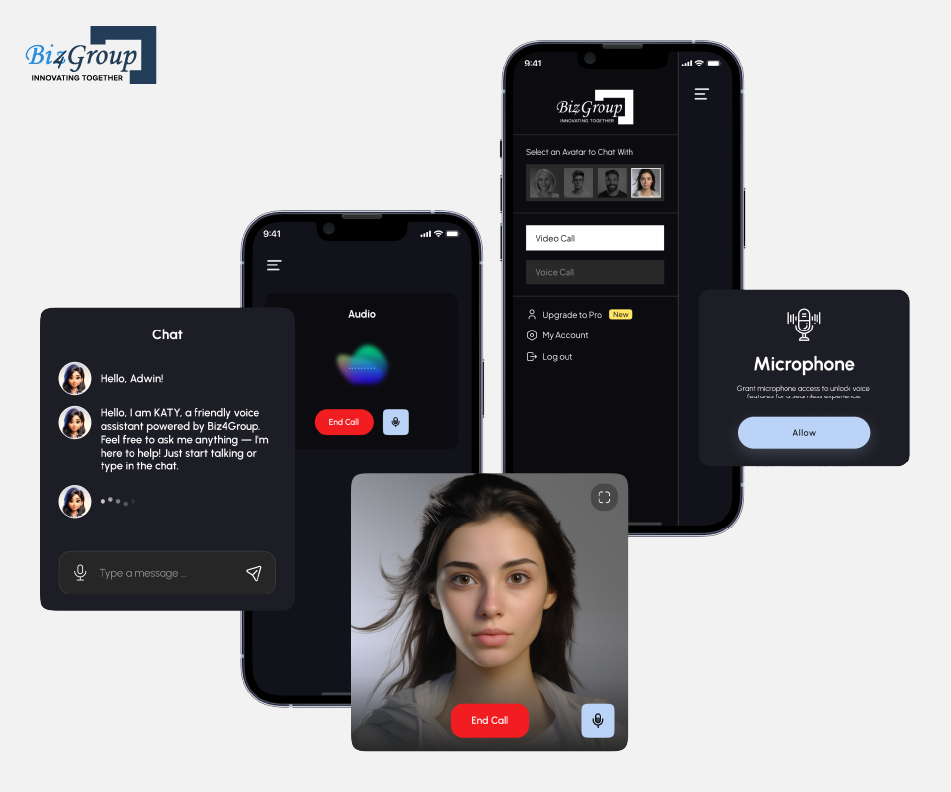
Industry: AI Avatar, Lifestyle
Business problem addressed: Lack of engaging digital companionship experiences
AI solution implemented and approach used: AI powered avatar based companion platform
Technologies used: Conversational AI, avatar systems
Measurable results achieved: High user engagement and interaction rates
Key takeaway for founders and teams: Personality driven AI improves retention
Avatar based products like AI Wizard are becoming more common among successful AI startups in 2026, especially where interaction quality matters. Some teams explore partnerships with a software development company in Florida for faster prototyping.
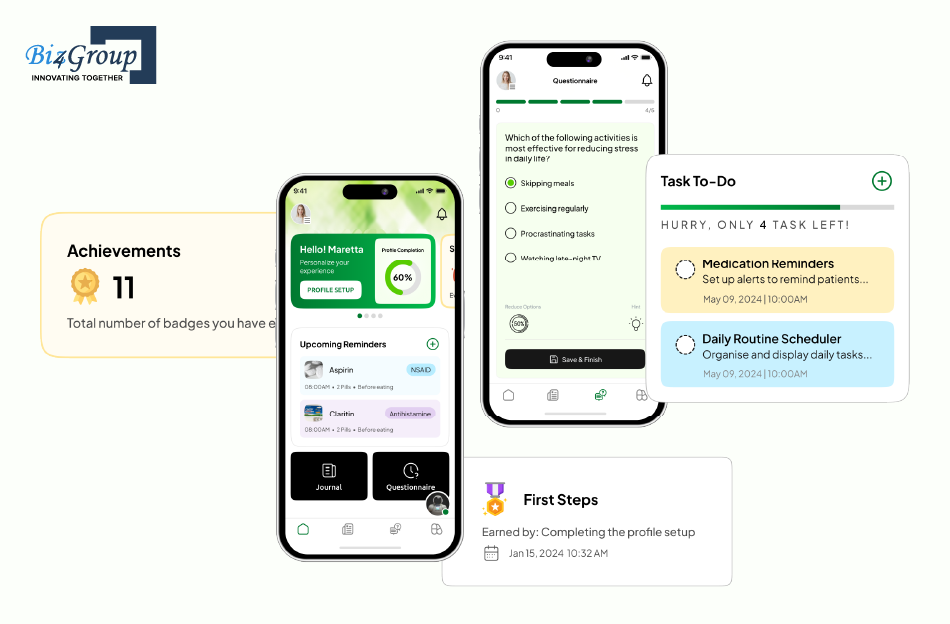
Industry: Healthcare, Elderly Support
Business problem addressed: Limited daily cognitive support for dementia patients
AI solution implemented and approach used: AI based cognitive assistance application
Technologies used: AI memory support systems
Measurable results achieved: Improved daily assistance for users
Key takeaway for founders and teams: Sensitive use cases demand thoughtful design
Healthcare products like Cognihelp often appear in AI startup lessons and case studies because they highlight the balance between ethics, usability, and scale.
Understand how AI startups scale successfully and use the same playbook to avoid costly missteps and rebuilds.
Plan My AI MVP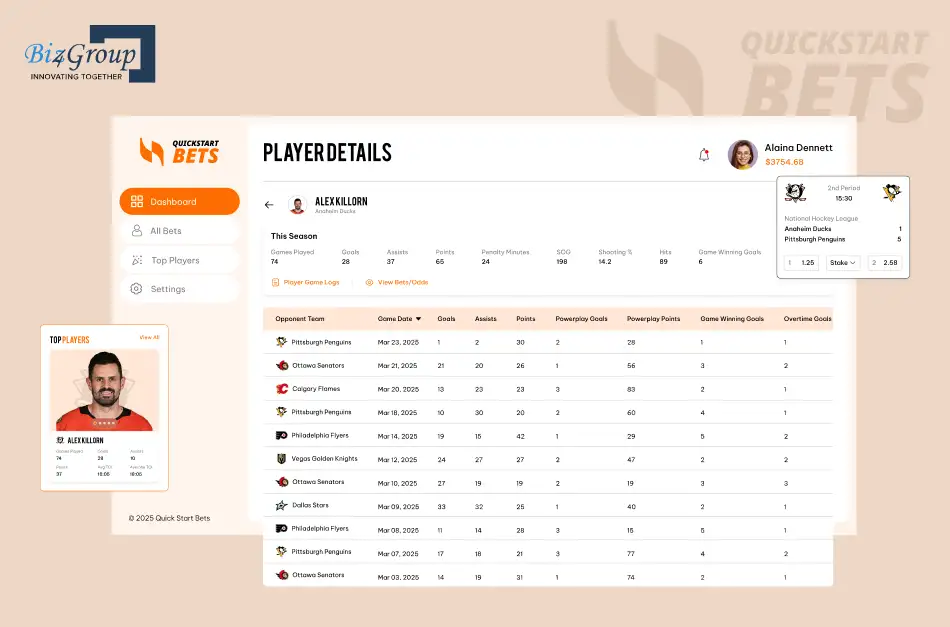
Industry: iGaming, Betting
Business problem addressed: Lack of real time sports betting insights
AI solution implemented and approach used: Real time AI driven sports analytics platform
Technologies used: Live data analytics
Measurable results achieved: Improved betting decisions and accuracy
Key takeaway for founders and teams: Real time AI delivers competitive advantage
Sports analytics platforms often become AI driven startup success stories because speed directly impacts user value, which was the case with Quick Start Bets.
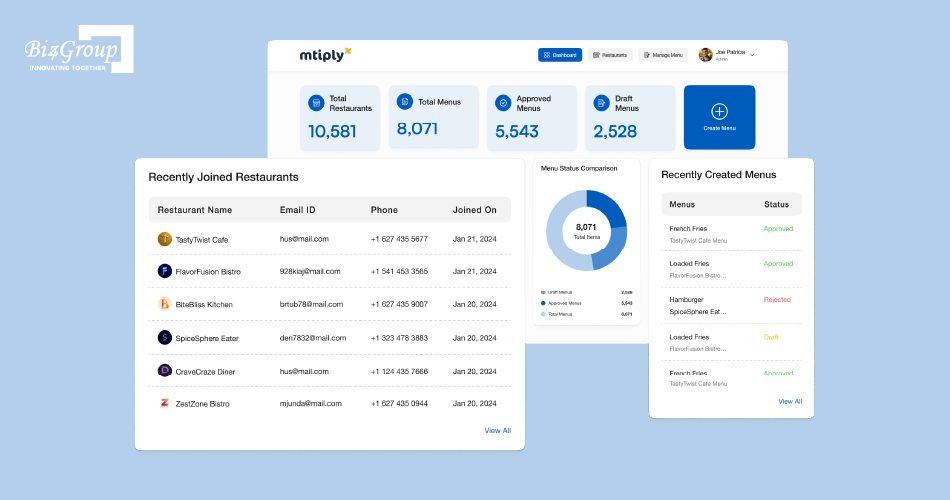
Industry: Hospitality, Food Services
Business problem addressed: Static and inefficient restaurant menu management
AI solution implemented and approach used: AI powered dynamic menu management system
Technologies used: AI recommendation engines
Measurable results achieved: Improved menu optimization and flexibility
Key takeaway for founders and teams: Operational AI uncovers hidden efficiencies
Hospitality platforms like Mtiply are increasingly referenced as real world AI startup use cases, especially when margins are tight and efficiency matters.
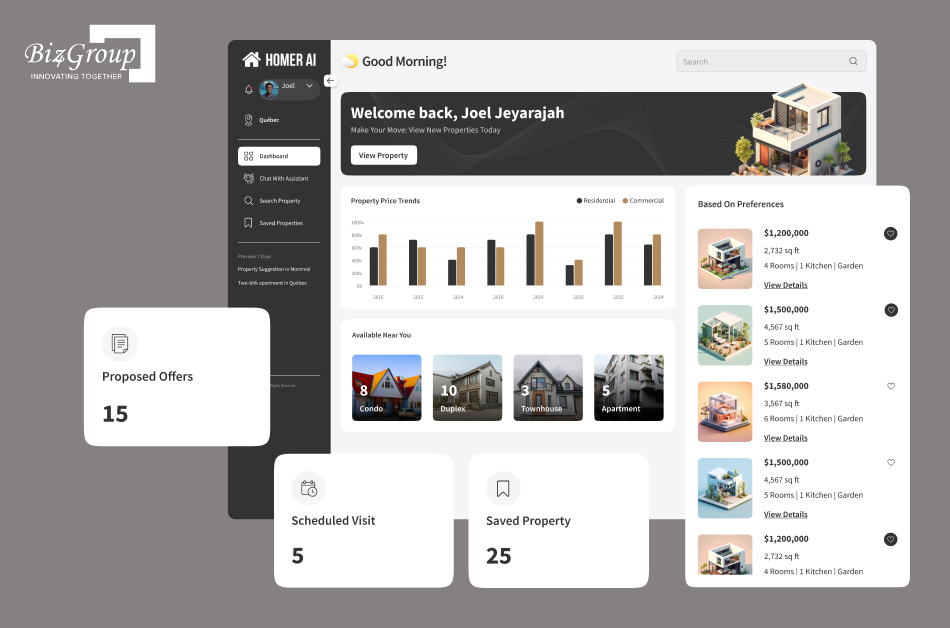
Industry: Real Estate, Proptech
Business problem addressed: Inefficient property discovery and matching
AI solution implemented and approach used: AI powered property search and matching platform
Technologies used: Search intelligence, recommendation systems
Measurable results achieved: Faster property discovery and matches
Key takeaway for founders and teams: AI driven matching improves user experience
Homer AI remains one of the clearest examples of real estate AI use cases driving revenue in startups, where better matching leads directly to faster transactions.
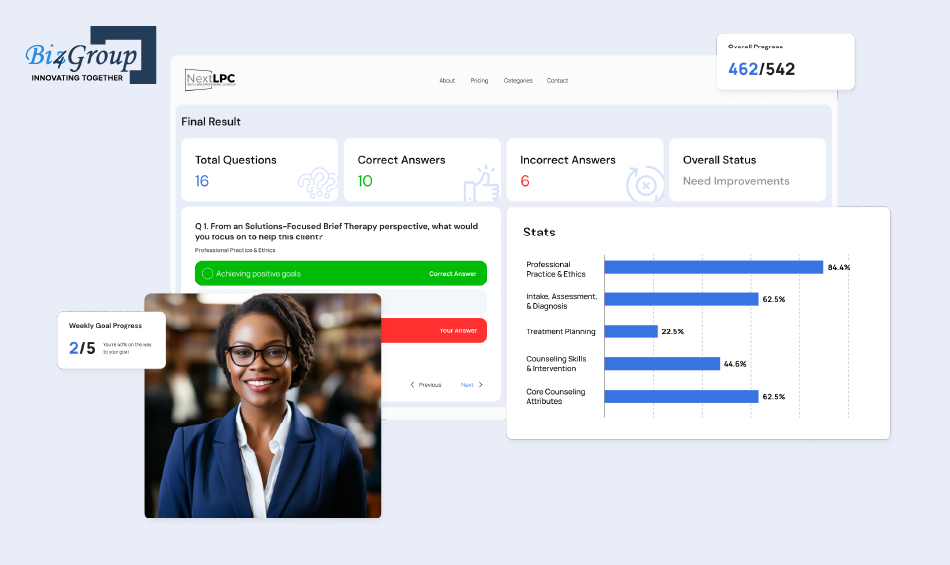
Industry: AI Avatar, Education
Business problem addressed: Limited interactive learning for psychology students
AI solution implemented and approach used: AI avatar based learning platform
Technologies used: Avatar AI, educational models
Measurable results achieved: Higher engagement in learning sessions
Key takeaway for founders and teams: Interactive AI improves learning outcomes
Educational platforms like NextLPC are a great example of how AI assistant app design can be leveraged to make complex topics more approachable and engaging.
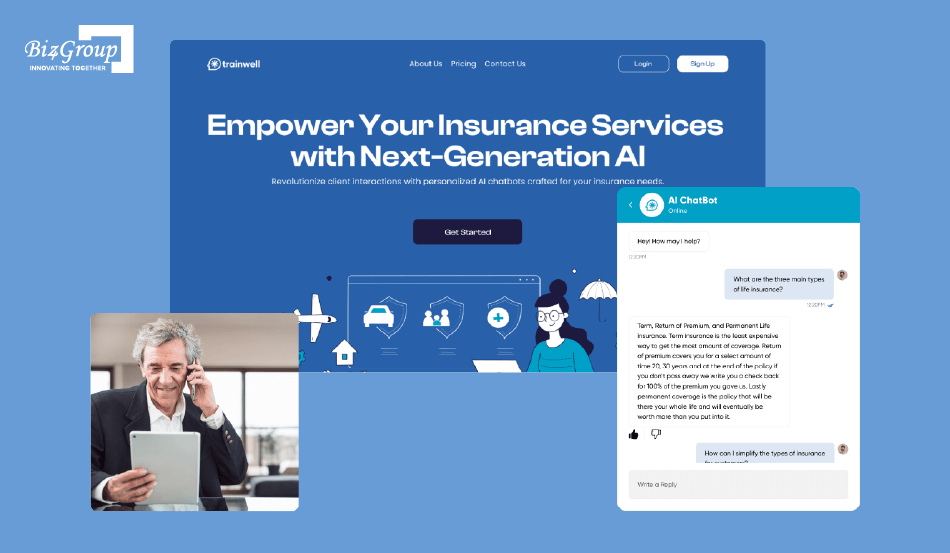
Industry: Insurance, Training
Business problem addressed: Inconsistent training for insurance agents
AI solution implemented and approach used: AI chatbot based training platform
Technologies used: Conversational AI
Measurable results achieved: Faster onboarding and skill development
Key takeaway for founders and teams: Training is a strong AI application area
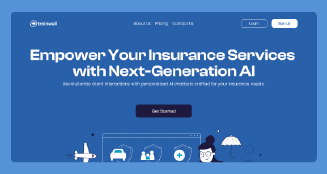
Training focused tools like Insurance AI often appear in profitable AI startup examples because they reduce costs while improving outcomes.
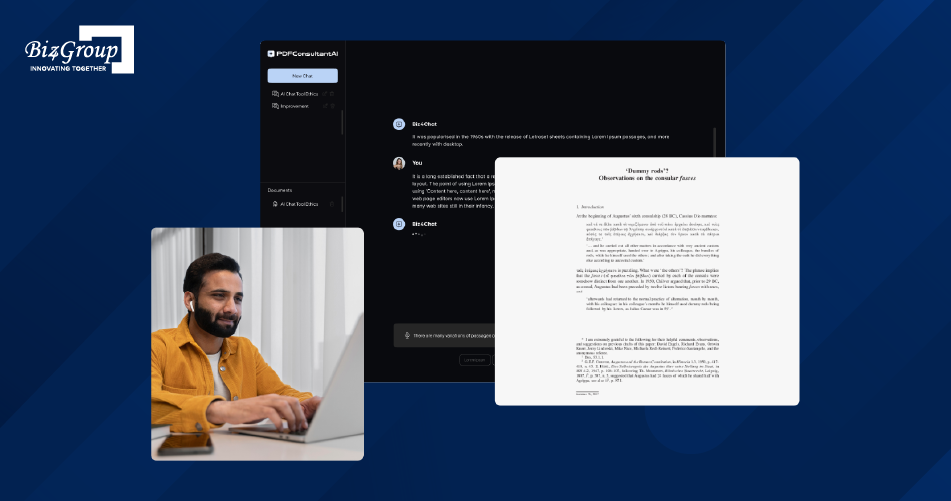
Industry: Document Management
Business problem addressed: Manual and slow enterprise document analysis
AI solution implemented and approach used: AI powered document analysis platform
Technologies used: NLP, document intelligence
Measurable results achieved: Reduced manual review time significantly
Key takeaway for founders and teams: AI excels with unstructured data
Document intelligence platforms like PDF consultant AI are frequently cited in AI startup lessons and case studies due to their immediate productivity gains.
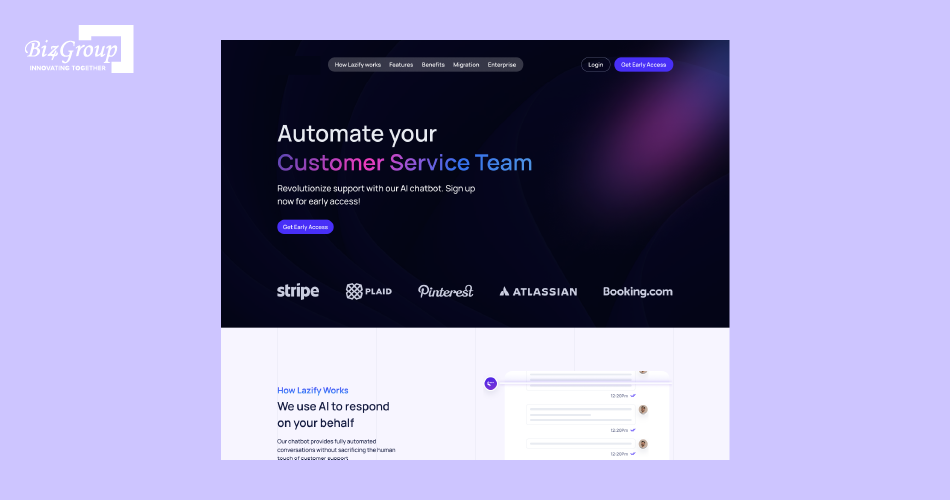
Industry: AI Chatbot, Customer Service
Business problem addressed: Robotic and inefficient customer support interactions
AI solution implemented and approach used: Conversational AI chatbot for human like support
Technologies used: NLP, contextual understanding
Measurable results achieved: Improved customer satisfaction and response quality
Key takeaway for founders and teams: Human like AI defines modern customer support
AI chatbot tools like this shows how AI startups scale successfully by improving experience without increasing headcount. Many such products benefit from collaboration with top AI development companies in Florida.
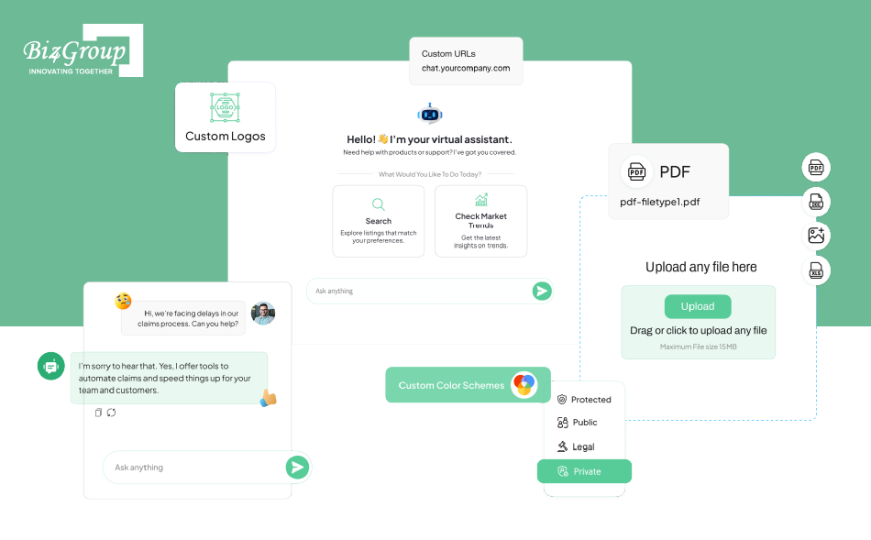
Industry: Multiple
Business problem addressed: Manual, repetitive workflows across multiple industries slowing teams and increasing error rates
AI solution implemented and approach used: AI driven enterprise workflow automation agent designed to handle end to end tasks with compliance controls
Technologies used: AI workflow automation, compliance aware logic, enterprise integration stacks
Measurable results achieved: Significant reduction in process turnaround times and operational costs while maintaining HIPAA and GDPR compliance
Key takeaway for founders and teams: Building automation that respects compliance and privacy increases trust and broadens enterprise adoption
Custom enterprise AI agent shows how AI use cases driving revenue in startups often come from solving operational pain points that enterprises already feel every day.
Taken together, we can assume that these AI use cases driving revenue in startups emerge from focus, execution, and real user needs. The most durable products are not just clever, they are practical, measurable, and built to grow.
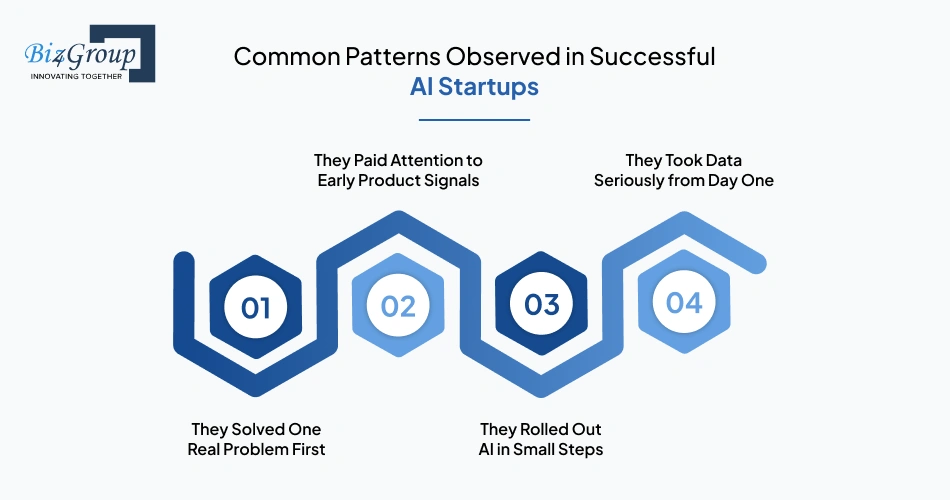
After reviewing enough AI projects, patterns become impossible to ignore. Different founders, different markets, yet similar choices keep leading to better outcomes. These patterns are not secrets, but they are often overlooked in the rush to build fast.
Successful startups did not try to impress with too many features. They picked one problem users already cared about and fixed it properly. This shows up clearly in successful AI adoption case studies, where focus helped teams build faster and avoid unnecessary complexity.
Instead of chasing growth right away, these startups watched how users behaved. Repeat usage, honest feedback, and early willingness to pay mattered more than big numbers. Many insights from the latest AI business success stories case studies 2026 point to quick adjustments based on what users actually did.
Rather than launching heavy AI systems all at once, successful teams started small. They tested, learned, and improved before expanding. This approach shows up often in AI consulting case studies, especially when reliability and trust matters more than speed.
Data was not an afterthought for these startups. They cared about quality early, even when volume was low. Over time, this made their models more stable and easier to improve. Startups that did this faced fewer surprises as they grew.
The big takeaway is simple. Successful startups stay focused, listen closely, and build steadily. These habits are what keep showing up across AI consulting case studies 2026 and separate strong teams from those that struggle to scale.
Founders struggle because early decisions compound quietly over time. Case studies are valuable because they let you learn from decisions other teams already paid for, without making the same mistakes yourself.
One common mistake is trying to do too much too soon. Many early failures came from building complex AI systems before confirming user demand. Several AI startup success stories show that starting simple helped teams avoid wasted effort and painful rewrites later.
Not everything needs to be built from scratch. Founders who studied similar products often chose to buy or integrate existing tools first, then build custom AI only where it created real advantage.
Early hiring decisions matter more than most founders expect. Many teams struggled after hiring too many specialists too early, without clear ownership or direction.
The strongest case studies all had one thing in common. They validated early and often. Instead of waiting for perfect models, founders tested assumptions with real users and improved based on feedback.
Taken together, these lessons show that success with AI is rarely about shortcuts. Founders who learn from AI startup success stories tend to focus on clarity, timing, and execution. Those habits are what turn early ideas into products that last.
The most durable products come from AI use cases driving revenue in startups, not flashy demos. Focus on what pays off long term.
Design a Revenue Focused AI App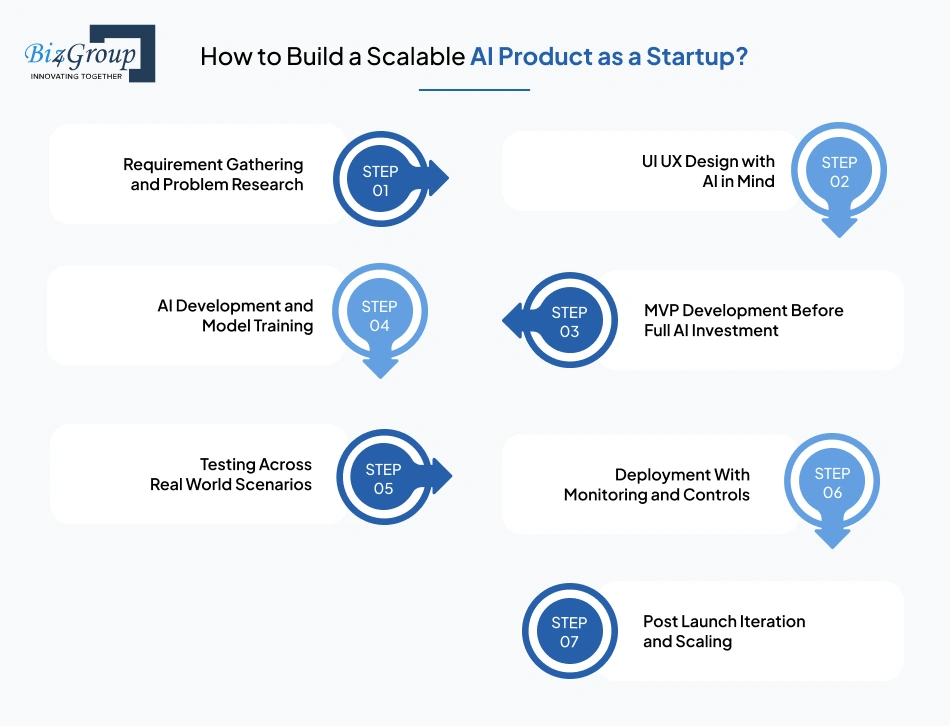
Building an AI product is easy to talk about and hard to get right. Most startups do not struggle because their tech is weak. They struggle because early choices quietly limit growth later. If you look closely at successful AI startup case studies, scalability is almost always the result of small, practical decisions made early.
Strong startups spend real time understanding the problem before writing code. They study users, workflows, and constraints to make sure AI is actually needed. Many profitable AI startup examples show that this early clarity prevents expensive rework later.
AI products succeed when users trust them. That trust starts with thoughtful UI UX design. Case studies show that startups design interfaces that explain what AI is doing and why, instead of hiding complexity.
Also Read: Top 15 UI/UX Design Companies in USA: 2026 Guide
Many startups validate the product through MVP development services before building heavy AI systems. This approach appears often in AI use cases driving revenue in startups, where teams tested workflows with simple logic first and added AI only after demand was proven.
Also Read: Top 12+ MVP Development Companies to Launch Your Startup in 2026
Once the MVP shows traction, startups invest deeper in AI. Successful teams train models around real usage patterns, not assumptions. This keeps development aligned with evolving AI innovation trends rather than theoretical performance.
AI behaves differently outside controlled environments. Case studies consistently show that startups who test thoroughly before scale face fewer failures later.
Also Read: Software Testing Companies in USA
Deployment is not the finish line. It is where learning accelerates. The startups that scale well treat monitoring as part of the product, not a backend task.
The strongest growth happens after launch. Case studies show that startups refine models, UX, and infrastructure based on live data, which is a common trait among teams often cited when asking what are the most successful AI startups in 2026.
Scalable AI products are built through discipline. Founders who respect this build journey consistently appear in AI use cases driving revenue in startups, proving that steady execution beats rushed innovation every time.
Learn what defines what are the most successful AI startups in 2026 and start building with that future in mind today.
Talk Through My AI RoadmapIf you study successful AI startup case studies, a few clear signals emerge about where things are headed. The next generation of AI startups will be shaped less by experimentation and more by how efficiently they execute, adapt, and integrate into real world workflows.
Startups will build systems that handle entire processes from start to finish. Instead of assisting users, AI will take responsibility for tasks like hiring pipelines, support resolution, and operational decisions, reducing the need for constant human involvement.
The ability to improve quickly using real user feedback will become a major advantage. Startups that shorten their learning cycles will refine products faster and respond better to changing user behavior and data conditions.
Infrastructure costs, model efficiency, and compute usage will influence product decisions from the beginning. Startups that control these factors early will scale more sustainably and avoid limitations that slow growth later.
Users will expect consistent performance across different scenarios. Startups will invest more in monitoring systems, fallback mechanisms, and predictable outputs to ensure trust and usability in everyday use.
Startups embedded within existing workflows will gain stronger traction. Many answers to what are the most successful AI startups in 2026 will depend on how naturally products fit into daily user behavior rather than technical complexity alone.
AI products will evolve as connected systems where data, models, and user experience continuously influence each other. This shift is already reflected in forward looking AI startup predictions 2026.
The next wave of AI startups will be built on clarity, discipline, and integration. Founders who focus on building reliable systems will create products that scale steadily and remain relevant over time.
Fast forward a little. The AI startups that will matter next are not the loudest ones in the room. They are the ones quietly redesigning how work gets done, how decisions are made, and how products behave when no one is watching. That future becomes clearer when you study successful AI startup case studies.
AI will act before users ask: Future AI innovation trends point toward systems that anticipate needs, surface insights proactively, and reduce decision fatigue instead of waiting for commands.
Monetization will reward reliability over novelty: Many upcoming profitable AI startup examples will earn revenue because their AI works consistently in the background, not because users notice it doing something impressive.
Interfaces will fade into conversations: Products will rely less on screens and more on natural interaction, with formats like an AI conversation app becoming the default way users engage.
Scale will favor restraint, not expansion: When asking what are the most successful AI startups in 2026, the answer will often involve small teams that automate aggressively and resist feature overload.
Founders will design for change, not certainty: The strongest teams will assume models, data, and user behavior will shift constantly, a core assumption behind many forward looking AI startup predictions 2026.
The future belongs to startups that build for what users will need next, not what looks impressive today. That mindset is what will shape the next generation of AI startups.
If you have an AI idea sitting in a doc, a pitch deck, or just your head, Biz4Group LLC, one of the best AI development companies in USA, helps you move it forward without the chaos. From taking up projects in AI healthcare software development to building innovative platforms for our clients through real estate AI software development, we have delivered products where AI actually has to work, not just look good in demos.
What makes Biz4Group different is simple. We think like builders, not just developers. Whether it is a small-scale or an enterprise-grade platform, we focus on shaping the right MVP, shipping features that are usable, and then scaling it the smart way based on real feedback.
There core takeaway from all these successful AI startup case studies, is this:
AI success is rarely about having the boldest idea. It is about making steady, practical decisions and learning faster than the market around you. The startups that win are the ones that treat AI like a long term product muscle, not a one time feature. They test, adapt, and keep shipping.
And when execution gets complex, having the right product development services behind you often makes the difference between stalling out and scaling with confidence.
Founders usually figure this out by checking whether AI improves outcomes meaningfully or just adds complexity. In many successful AI adoption case studies, AI is used only when it clearly saves time, improves accuracy, or unlocks scale that manual systems cannot handle.
Timelines vary based on data readiness and scope, but many AI consulting case studies 2026 show that focused MVPs can be built in a few months when teams validate workflows early and avoid overengineering before real user feedback is available.
The difference usually comes down to clarity and discipline. Profitable AI startup examples tend to focus on narrow use cases tied directly to revenue, instead of broad platforms that take too long to prove value or monetize effectively.
Not always. Several AI business transformation case studies 2026 highlight startups that began with small but high quality datasets and improved models gradually as usage grew, rather than waiting for perfect or massive data upfront.
While AI can work across sectors, what are the most successful AI startups in 2026 often emerge from industries with repeatable workflows, high decision volume, and clear efficiency gaps such as healthcare, enterprise operations, and education.
Founders should plan for constant change. Many AI startup predictions 2026 suggest that long term success depends on building systems that adapt to new data, evolving user behavior, and shifting regulations rather than relying on fixed models.

with Biz4Group today!
Our website require some cookies to function properly. Read our privacy policy to know more.