 Location :
Orlando, FL, USA
Location :
Orlando, FL, USA +1 (407) 714-1616
 info@biz4group.com

- Contract clause recommendation AI agents help legal teams reduce manual search effort and bring structure to drafting and review workflows
- To build a contract clause recommendation AI Agent for legal automation, focus on clean clause data, clear context understanding, and structured recommendation logic
- The system works by analyzing contract inputs, matching relevant clauses, and delivering context-based suggestions for faster and consistent drafting
- Development cost of AI agent for contract clause recommendation typically ranges from $30,000 to $150,000+, depending on complexity, integrations, and level of AI intelligence required
- Many teams build AI agent for legal contract clause suggestions to improve drafting speed and maintain consistency across high-volume contract operations
- Partnering with Biz4Group LLC helps ensure practical implementation, scalable architecture, and solutions aligned with real legal workflows and business need
A contract rarely gets delayed because of strategy. It slows down when teams struggle to find the right clause at the right moment. What seems like a small task often turns into a time-consuming effort across documents and versions. In many organizations, 9 in 10 contract professionals face this challenge, with some spending up to two hours just locating the correct clause within an agreement.
The friction starts affecting more than just contract drafting speed. It begins to impact alignment between teams. When there is no structured system in place, expectations shift and priorities get misaligned. That is why lawyers are 1.5x more likely to experience these issues when contract processes lack clarity and structure.
This is where AI starts playing a practical role. As a legal software development company, we see how businesses use AI agents for contract clause recommendations to bring order into these workflows. Instead of searching and guessing, these legal AI agents help teams with guided clause suggestions that fit the context of each agreement.
As contract volumes increase, maintaining consistency in clause usage becomes more difficult thus paving way for contract clause recommendation AI agent development. It helps bring structure into legal workflows, moving beyond managing documents and creating AI agents that support structured and context-driven legal contract drafting.
This guide will help you understand how legal firms and contract management teams can move from idea to launch when they develop AI agent for legal contract clause suggestions. So, let's begin with the basics.
What Is a Contract Clauses Recommendation AI Agent?
A contract clauses recommendation AI agent is a system that analyzes contract context and suggests relevant legal clauses based on predefined logic, historical data, and contextual understanding.
The legal AI agent works by interpreting key inputs such as contract type, business intent, jurisdiction, and risk profile. Based on this context, the system retrieves and recommends clauses that align with organizational standards and legal requirements.
Unlike static templates, the AI agent adapts recommendations dynamically. It ensures that clauses are not only relevant but also consistent with prior agreements and compliance frameworks.
The system typically operates on three layers:
- Context interpretation: Understands what the contract is trying to achieve
- Clause mapping: Matches context with appropriate clause categories
- Recommendation output: Suggests clauses with structured relevance
This approach shifts legal teams from manual, experience-driven drafting to a guided, data-driven clause selection process. The AI agent strengthens contract validation by identifying gaps and inconsistencies early, enabling smoother and more structured execution across legal workflows.
Where Does Contract Clauses Recommendation AI Agent Fits in The Contract Lifecycle

A contract clauses recommendation AI agent operates across key stages of the contract lifecycle where clause accuracy directly affects legal and business outcomes. It ensures that clause selection remains consistent from initial planning to final approval.
- Pre-drafting stage: At this stage, the AI agent helps define the structural foundation of the contract. It identifies which clause categories are required based on contract type, transaction context, and jurisdiction. This reduces ambiguity early and ensures that essential clauses are not overlooked before drafting begins.
- Drafting stage: During drafting, the AI agent works alongside legal teams by suggesting relevant clauses in real time. It adapts recommendations based on the evolving contract content and maintains alignment with internal standards. This minimizes manual lookup effort and ensures that clause language remains consistent across agreements.
- Review and validation stage: In the final stage, the AI agent evaluates the drafted contract for completeness and consistency. It flags missing clauses, detects deviations from approved language, and highlights potential compliance gaps. This allows legal teams to focus on validation rather than manual cross-checking.
By supporting all three stages, the AI agent creates continuity in clause selection and reduces reliance on repetitive manual reviews.
Also Read: AI Template Clause Validation Agent Development in Legal Tech
How Does an AI Agent Recommend the Right Contract Clauses in Legal Operations?
AI agent for contract clause recommendation follows a structured workflow where each step refines the output before it reaches legal teams. Instead of relying on manual judgment, the system processes contract inputs step by step to deliver precise and usable clause suggestions that fit real business scenarios.
Step 1: Capturing Contract Details and Initial Inputs
- Collects contract type, parties involved, and agreement purpose
- Captures key terms such as payment structure, obligations, and timelines
- Identifies jurisdiction and regulatory environment linked to the contract
- Structures raw inputs into a format the system can process
Step 2: Interpreting Legal and Business Intent
- Analyzes what the agreement is expected to achieve
- Identifies responsibilities, risk exposure, and operational expectations
- Aligns contract purpose with internal legal standards and policies
- Prepares a clear intent layer that guides clause selection
Step 3: Matching Requirements with Clause Repository
- Searches a structured clause library based on identified needs
- Filters clauses using tags such as contract type and industry relevance
- Prioritizes clauses that match similar past agreements
- Ensures recommendations are aligned with approved legal language
Step 4: Evaluating Clause Relevance and Risk Fit
- Assesses how well each clause fits the contract scenario
- Identifies gaps where required clauses may be missing
- Flags clauses that may introduce unnecessary risk
- Ranks clauses based on importance and applicability
Step 5: Delivering Structured Clause Recommendations
- Presents clauses in an organized and easy-to-review format
- Groups clauses based on sections such as liability or payment terms
- Highlights essential and optional clauses for clarity
- Supports faster decision-making within legal workflow automation environments
Step 6: Refining Output Based on User Interaction
- Adjusts recommendations based on user edits and selections
- Learns from repeated patterns in clause usage
- Improves accuracy over time with continuous feedback
- Aligns outputs with evolving legal practices using AI automation tools
This workflow ensures contract clause recommendations AI agents follow a clear and repeatable path. Each step adds structure and context, allowing legal teams to focus on decision-making instead of manual drafting while improving consistency and efficiency across contract-related operations.
Also Read: Developing an Agentic AI Platform for Legal Services
Where Does AI Agent for Contract Clause Recommendation Delivers Real Impact: High Value Business Use Cases
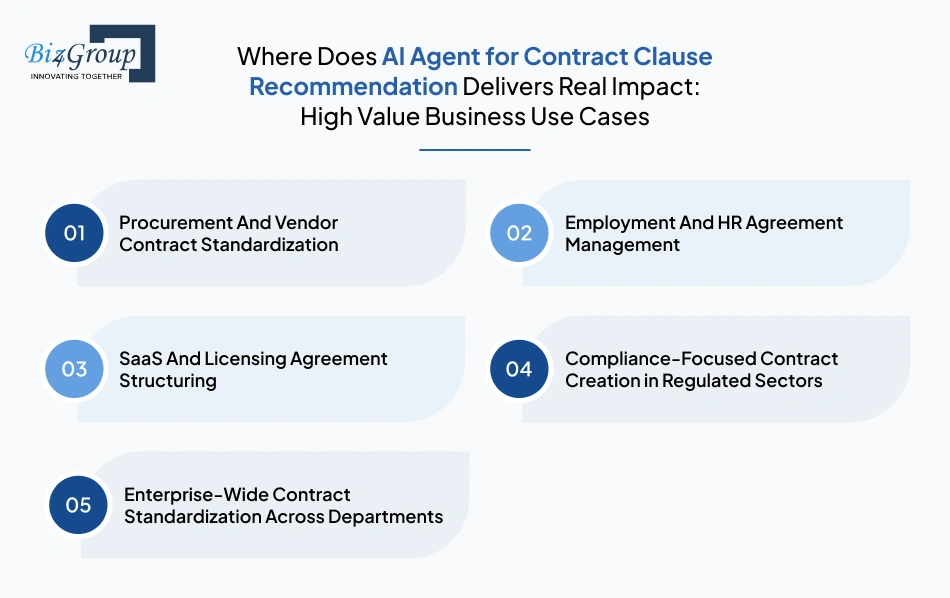
Contract clause recommendation AI agent starts showing real value when applied to day-to-day contract scenarios across teams. When organizations build a contract clause recommendation of AI Agent for legal automation, the impact becomes visible in how different functions handle contracts with more structure and clarity.
1. Procurement And Vendor Contract Standardization
Procurement teams deal with frequent vendor agreements where consistency matters across multiple suppliers. Clause recommendation AI agent helps bring uniformity while still allowing flexibility based on deal terms.
- Standardizes clauses related to pricing, delivery, and obligations across vendor contracts
- Reduces dependency on manual clause selection during high-volume procurement cycles
- Supports smoother execution when procurement aligns with broader business process automation initiatives
2. Employment And HR Agreement Management
AI agent for contract clause recommendation helps maintain control without slowing down documentation as HR teams manage contracts that follow similar structures but vary based on roles, geography, and policies.
- Aligns employment contracts with company policies and regional requirements
- Ensures consistency in clauses related to confidentiality, termination, and benefits
- Works effectively when integrated within a centralized legal automation platform used by HR and legal teams
3. SaaS And Licensing Agreement Structuring
Technology-driven businesses frequently update agreements based on evolving service models. Clause recommendation AI agent ensures contracts stay aligned with changing offerings.
- Suggests clauses that reflect subscription models, service levels, and usage rights
- Adapts agreements based on pricing structures and product variations.
4. Compliance-Focused Contract Creation in Regulated Sectors
Regulated industries require contracts that reflect strict compliance requirements across jurisdictions and contract clause recommendation AI agent supports this by aligning agreements with regulatory expectations.
- Ensures required clauses are included based on industry-specific regulations
- Helps maintain consistency in compliance language across contracts
- Supports structured contract handling where regulatory alignment is critical to operations
5. Enterprise-Wide Contract Standardization Across Departments
Large organizations handle contracts across multiple departments, each with different needs. Clause recommendation AI agent brings consistency in enterprises without restricting operational flexibility.
- Aligns contract language across sales, partnerships, and operational agreements
- Maintains a centralized approach to clause usage across departments
- Supports scalable contract management practices across enterprise functions
Also Read: Enterprise AI Contract Generator Platform Development
These applications show how clause recommendation becomes part of everyday contract handling across teams. As organizations continue to build AI agent for legal contract clause suggestions, they gain better control over contract consistency while keeping processes aligned with real operational needs.
Ready To Turn Contracts Into Value?
See how better clause decisions can improve outcomes and reduce avoidable operational leakage
Talk To Our ExpertsBenefits Of Building an AI Agent For Contract Clause Recommendation for Legal Automation
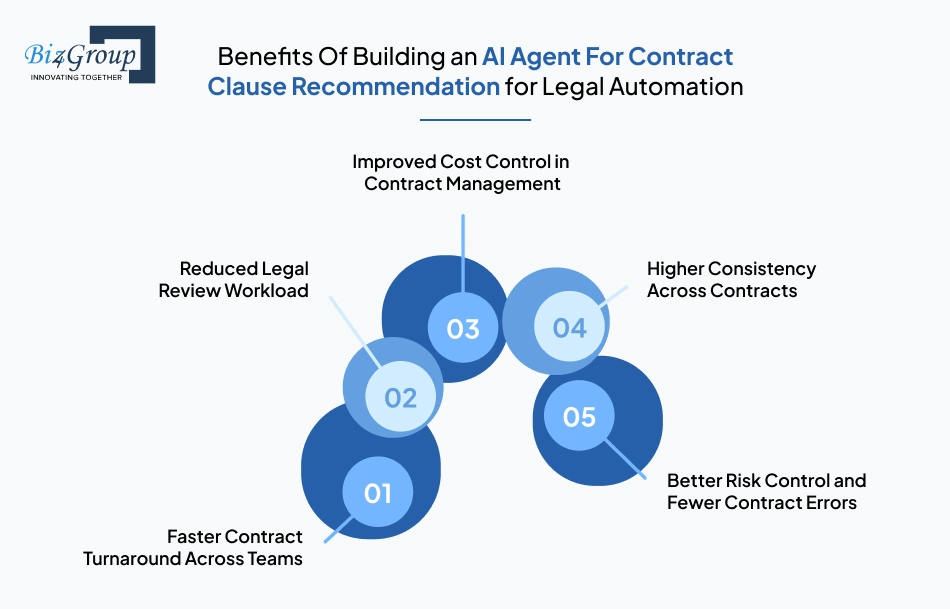
Legal contract handling often slows down due to repeated clause decisions and manual reviews. When organizations build AI agent for contract clause automation in businesses, they start seeing measurable improvements in how contracts are created, reviewed, and managed across teams without adding extra operational overhead.
Now lets us take a look at the benefits of contract clause recommendation AI agent for law firms:
1. Faster Contract Turnaround Across Teams
Legal contract drafting cycles often stretch due to back-and-forth reviews and repeated clause selection. AI-driven recommendation systems reduce this delay by guiding clause decisions early in the process.
- Reduces drafting time by 30–50% in high-volume contract environments
- Minimizes dependency on repeated internal approvals for standard clauses
- Helps teams move contracts forward without waiting on manual inputs
This leads to quicker contract finalization and smoother operational flow.
2. Reduced Legal Review Workload
Legal teams spend a large portion of time reviewing standard clauses across contracts. With structured clause recommendations, this effort becomes more focused.
- Cuts down repetitive clause validation tasks significantly
- Allows legal teams to focus on critical contract areas instead of routine checks
- Supports scalable business process automation where review cycles are frequent
This improves efficiency without increasing legal team capacity.
3. Improved Cost Control in Contract Management
Manual contract handling involves hidden operational costs such as review time, revisions, and delays. AI-driven clause recommendation helps reduce these inefficiencies.
- Lowers cost associated with repeated contract revisions by 25% to 30%
- Reduces external legal consultation for standard agreements
Over time, this leads to better cost predictability in contract operations.
4. Higher Consistency Across Contracts
Inconsistent clause usage creates risks and misalignment across agreements. AI-based recommendation systems ensure that contracts follow a structured approach.
- Maintains uniform clause language across departments and contract types
- Aligns agreements with internal legal standards without manual checks
- Reduces variations that often lead to disputes or renegotiations
Consistency strengthens both legal and operational clarity.
5. Better Risk Control and Fewer Contract Errors
Errors in clause selection can lead to financial and compliance issues. AI agent for contract clause recommendation helps reduce such risks by guiding clause inclusion more accurately.
- Reduces chances of missing critical clauses during drafting by 30% to 40%
- Helps identify inconsistencies that may lead to future disputes
- Improves contract reliability without adding extra review layers
This creates more dependable contract outcomes across business functions.
These benefits highlight how contract clause recommendation moves beyond efficiency and starts influencing overall business performance. As organizations continue to build a contract clause recommendation AI Agent for legal automation, they gain stronger control over costs, consistency, and operational scale without increasing complexity.
Want Faster Contracts With Better Control?
Bring speed, consistency, and stronger business outcomes into every contract workflow
Book A Strategy CallKey Features Required for Contract Clauses Recommendation AI Agent development for Legal automation
Clear feature planning defines how effective the system is and only delivers value when it aligns with how contracts are handled across teams.
When organizations aim to create AI-powered agent for legal clause recommendation, focusing on the right capabilities helps avoid rework and ensures the solution fits into practical legal operations.
Each feature below contributes to making AI agent for contract clause recommendation usable, controlled, and aligned with day-to-day legal operations.
|
Feature |
Purpose |
|---|---|
|
Context-Aware Input Processing |
Captures contract type, business terms, jurisdiction, and intent, then structures this information so the system can interpret requirements accurately before recommending clauses. |
|
Clause Tagging and Classification Engine |
Organizes clauses using tags like contract type, risk level, and jurisdiction, making retrieval accurate and aligned with structured legal datasets. |
|
Clause Recommendation Engine |
Matches contract context with relevant clauses from the repository, prioritizing suggestions based on relevance, completeness, and organizational standards. |
|
Clause Version Control System |
Tracks multiple versions of clauses, allowing teams to use updated legal language while retaining access to previous clause variations when required. |
|
Risk Identification and Gap Detection |
Analyzes contract drafts to highlight missing clauses and potential risk areas, helping legal teams address issues before finalizing agreements. |
|
Explainability And Justification Layer |
Provides reasoning behind each clause recommendation, so legal teams understand its relevance instead of relying on blind acceptance of system outputs. |
|
Feedback Learning Mechanism |
Learns from edits, approvals, and rejected clauses to refine future recommendations and align outputs with internal legal practices over time. |
|
Multi-Jurisdiction Clause Handling |
Adapts clause suggestions based on regional legal requirements, helping organizations manage contracts across different regulatory environments without manual adjustments. |
|
Integration With Legal Systems and Tools |
Connects with contract management platforms through AI integration services, so clause recommendations fit directly into existing legal workflows without disruption. |
|
Role-Based Access and Approval Controls |
Restricts access to clause editing and approval based on roles, ensuring controlled usage and maintaining governance across contract management processes. |
|
Clause Search and Retrieval Interface |
Allows quick search of clauses using keywords or context, helping teams locate specific clauses without navigating large contract repositories manually. |
|
Workflow Integration and Automation Support |
Embeds clause recommendation into drafting and review workflows using AI automation services, helping teams operate within a connected and structured contract environment. |
Feature selection shapes how well the system performs once it moves beyond initial deployment. The right combination supports accuracy, adaptability, and control, allowing organizations to create AI agent for automated contract clause selection that integrates smoothly into evolving legal and operational environments.
Step-By-Step Process to Create AI agent for Smart Contract Clause Recommendations for Legal Automation
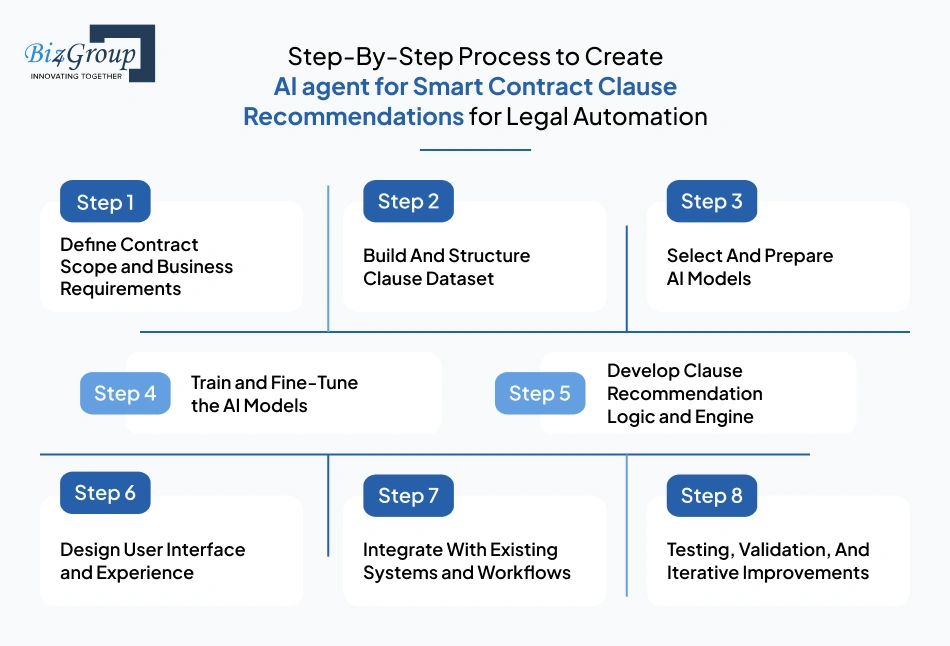
Understanding how to develop AI agent for automated legal contract clause suggestions for legal automation requires more than model selection. It involves aligning contract data, workflows, and system behavior with real legal operations, so the output remains usable and reliable.
The following steps reflect how teams move from raw contract data to a working clause recommendation AI agent:
Step 1: Define Contract Scope and Business Requirements
Clear scope definition sets the foundation for the entire system. This step focuses on identifying contract types, operational needs, and expected outcomes before any technical work begins.
- Identify high-volume contract types such as vendor agreements, NDAs, and service contracts
- Map key business requirements and legal expectations across departments
- Define success criteria such as drafting speed, consistency, and compliance alignment
- Align stakeholders from legal, operations, and technology teams early
This clarity ensures the development process starts with aligned expectations and avoids unnecessary iterations later.
Step 2: Build And Structure Clause Dataset
A well-organized clause dataset directly impacts recommendation accuracy. This step focuses on preparing clause data in a structured and usable format.
- Collect clauses from past contracts, templates, and legal repositories
- Tag clauses based on type, usage context, jurisdiction, and risk level
- Remove outdated or redundant clauses to maintain dataset quality
- Standardize clause language to ensure consistency across recommendations
A structured dataset makes it easier to develop intelligent AI agent for contract clause management that performs reliably.
Step 3: Select And Prepare AI Models
AI model selection determines how well the system understands and recommends clauses. This step focuses on aligning the right model approach with business needs.
- Evaluate options to select AI models based on contract complexity and data availability
- Prepare datasets for training by cleaning and organizing clause data
- Define model objectives such as classification, matching, or generation
- Set evaluation metrics to measure model performance
This step ensures that the system has the right intelligence layer to support accurate clause recommendations.
Step 4: Train and Fine-Tune the AI Models
Training helps the system learn from real contract data and improve its recommendations over time. This step focuses on refining model performance.
- Train AI models using historical contract data and clause mappings
- Validate outputs against real contract scenarios to check accuracy
- Apply techniques to fine tune LLM’s for better contextual understanding
- Continuously adjust AI models based on feedback and performance gaps
Refinement at this stage ensures the system delivers reliable and context-aware outputs.
Also Read: Top Open Source LLMs for Business Growth
Step 5: Develop Clause Recommendation Logic and Engine
The AI recommendation engine connects model outputs with real contract workflows. This step focuses on designing how clauses are selected and presented.
- Define logic for matching contract context with relevant clauses
- Build ranking mechanisms to prioritize clauses based on relevance
- Design fallback logic for incomplete or unclear contract inputs
- Ensure recommendations align with internal legal standards
This layer ensures recommendations are practical and usable within real drafting scenarios.
Step 6: Design User Interface and Experience
A clear interface allows legal teams to interact with the system effectively. This step focuses on usability and workflow alignment.
- Design intuitive interfaces in collaboration with a UI/UX design company
- Create dashboards for clause suggestions, edits, and approvals
- Ensure minimal learning curve for legal and operational teams
- Align interface design with existing contract handling workflows
A well-designed interface improves adoption and reduces friction during daily use.
Also Read: Top UI/UX Design Companies in USA
Step 7: Integrate With Existing Systems and Workflows
Integration ensures the AI agent works within current contract environments. This step focuses on connecting the system with existing tools.
- Integrate AI models with contract management and document systems
- Align outputs with legal workflow management processes
- Enable smooth data flow between drafting, review, and approval stages
- Ensure compatibility with internal tools and platforms
Strong integration helps the system become part of daily operations instead of a separate tool.
Step 8: Testing, Validation, And Iterative Improvements
Testing ensures the system performs accurately before full deployment. This step focuses on validation and continuous improvement.
- Test recommendations across different contract scenarios and edge cases
- Validate outputs with legal experts for accuracy and compliance
- Refine system performance based on feedback and real usage patterns
- Use MVP development services to release and improve the system in phases
Continuous validation ensures the system remains reliable as contract requirements evolve.
Also Read: Top MVP Development Companies in USA
Following these steps to create AI agent for smart contract clause recommendations for legal automation helps ensure the system remains accurate, scalable, and aligned with business needs over time.
Need A Team That Can Build It?
Work with a reliable partner who can turn your legal AI vision into production
Start Your AI ProjectTechnology Stack Considerations to Build a Contract Clauses Recommendation AI Agent for Legal Automation
Technology decisions directly impact how well the system performs in real contract scenarios. When teams plan to develop AI agent for contract clause recommendations for legal automation, selecting the right stack ensures accuracy, scalability, and smooth integration into existing contract environments.
Each layer plays a specific role in turning contract data into usable clause recommendations.
|
Architecture Layer |
Recommended Technology |
Purpose |
|---|---|---|
|
Data Ingestion Layer |
Apache Kafka, REST APIs |
Streams contract data from CLM platforms and document sources in real time, ensuring continuous data flow without delays or manual intervention. |
|
Data Storage Layer |
PostgreSQL, MongoDB |
Stores contract metadata and clause attributes in structured formats, allowing quick retrieval based on contract type, jurisdiction, and usage patterns. |
|
Clause Repository Layer |
Elasticsearch |
Indexes clauses with tagging support, enabling fast retrieval of relevant clauses based on contract context, usage frequency, and predefined legal classifications. |
|
Text Processing Layer |
Python (spaCy, NLTK) |
Processes contract text to extract key entities, obligations, and terms, preparing structured inputs that improve downstream clause matching accuracy. |
|
Embedding And Vector Search Layer |
Pinecone, FAISS |
Converts clauses into vector representations, enabling similarity-based retrieval so the system can match contextually relevant clauses instead of relying on keywords. |
|
AI Model Layer |
LLMs via OpenAI API |
Interprets contract intent and refines clause suggestions using contextual understanding, supporting more accurate recommendations in complex drafting scenarios. |
|
Recommendation Engine Layer |
Python, FastAPI |
Applies ranking logic and filtering rules to prioritize clause suggestions based on relevance, risk alignment, and internal legal standards. |
|
Backend Application Layer |
Node.js, Django |
Manages APIs, handles business logic, and ensures smooth communication between AI components, databases, and user interfaces during contract processing. |
|
Frontend Interface Layer |
React.js, Angular |
Provides an interactive environment where legal teams can review, edit, and approve clause recommendations within their existing drafting workflows. |
|
Integration Layer |
REST APIs, GraphQL |
Connects the system with contract management tools and enterprise platforms, enabling seamless data exchange across drafting, review, and approval processes. |
Also Read: Adopt An API-First Architecture For Business Agility
When organizations build a contract clause recommendation AI Agent for legal automation with the right architectural layers, they create a foundation that supports accuracy, scalability, and long-term adaptability.
What is the Cost to Create AI-Powered Contract Clause Recommendation Agent for Legal Automation?
Cost planning often depends on how deep the system needs to go in terms of intelligence and integration. When organizations look to build a contract clause recommendation AI agent for legal automation, the overall investment typically ranges between $30,000 to $150,000+, based on scope and complexity.
|
AI Agent Tiers |
Estimated Cost Range |
Scope |
|---|---|---|
|
MVP Level Contract Clause Recommendation AI Agent |
$30,000 – $60,000 |
Covers basic clause recommendation using structured datasets, limited contract types, simple interface, and minimal integrations for initial validation and internal usage. |
|
Mid-Level Contract Clause Recommendation AI Agent |
$60,000 – $100,000 |
Includes contextual clause recommendations, improved UI, multiple contract types, integration with contract systems, and better handling of real-world drafting scenarios. |
|
Advanced Level Contract Clause Recommendation AI Agent |
$100,000 – $150,000+ |
Supports intelligent recommendations with learning capabilities, multi-system integrations, advanced clause handling, and scalability across enterprise-level contract operations. |
Key Factors That Influence Development Cost of Contract Clause Recommendation AI Agent
Before finalizing budgets, let us understand what actually drives cost variation across these levels:
- Handling more types of contracts increases effort because each contract needs its own set of clauses, testing, and adjustments during development
- Preparing clause data takes time since teams need to review past contracts, clean outdated content, and organize clauses properly before using them
- Adding smarter AI features increases development time because the system needs to understand context better and give more accurate suggestions
- Connecting the system with existing tools increases AI integration costs since additional work is required to make everything work smoothly together
- Designing an easy-to-use interface with approvals and editing options increases legal AI agent development cost due to extra design and development effort
Ongoing Costs You Should Plan For
- Model updates and retraining as contract patterns evolve
- Maintenance of clause libraries and compliance updates
- Infrastructure and API usage costs based on system usage
- Continuous improvements based on user feedback
A clear understanding of cost helps in planning realistic implementation without overcommitting resources. When law organizations move forward to build an AI agent for contract clauses recommendation in businesses, aligning budget with scope ensures the solution delivers value without unnecessary complexity.
Need A Smarter Budget Before Building?
Get clarity on scope, investment, and the right rollout path for your goals
Get Cost EstimateCompliance and Regulatory Frameworks You Should Follow for Contract Clause Recommendation AI Agent Development
Handling contracts through AI requires careful alignment with legal and data regulations. When organizations plan to build a contract clause recommendation AI Agent for legal automation, compliance becomes a core part of the system, not an afterthought.
Understanding these frameworks helps ensure the system operates within legal boundaries from day one.
1. Data Privacy and Protection Regulations
Contract data often contains sensitive business and personal information. Regulations like GDPR and similar laws require proper handling of this data throughout the system.
Data should be stored securely, with access limited to authorized roles. Consent management, data encryption, and controlled data usage are essential. During AI model development, data used for training must also follow privacy guidelines to avoid misuse or exposure.
2. Legal Accountability and Audit Requirements
AI-driven clause recommendations must remain traceable and accountable. Legal teams need visibility into how decisions are made within the system.
Maintaining logs of clause suggestions, edits, and approvals helps support audit requirements. This becomes important when reviewing contracts for disputes or compliance checks. Systems built on generative AI should also ensure outputs can be traced back to input context.
Also Read: Generative AI Agents
3. Explainability and Transparency Standards
Legal teams cannot rely on systems that provide unclear outputs. The system should clearly indicate why a clause is being recommended.
This is especially important for teams evaluating which AI solutions suggest clauses based on contract type. Transparent reasoning builds trust and allows legal professionals to validate recommendations before using them in agreements.
4. Jurisdiction-Specific Legal Compliance
Contracts often operate across multiple regions, each with its own legal requirements. The AI system should reflect these differences in clause suggestions.
AI agent for clause recommendations must align with local laws, industry standards, and regulatory requirements. This ensures contracts remain valid and enforceable across jurisdictions without requiring extensive manual corrections.
5. Data Governance and Internal Policy Compliance
Organizations must ensure that contract clause recommendation AI agent must align with internal legal policies and standards. This includes maintaining approved clause libraries and restricting unauthorized modifications.
Strong governance practices help keep contract outputs consistent with company policies. Integration of generative AI into legal workflows should follow defined approval processes and role-based controls.
Compliance is not a one-time setup but an ongoing responsibility within the system. As organizations develop AI legal agent for contract drafting assistance for legal automation, aligning with regulatory frameworks ensures trust, accountability, and consistent legal accuracy across contract workflows.
What Challenges Arise in Developing AI Contract Clause Recommendation Agent for Legal Automation?
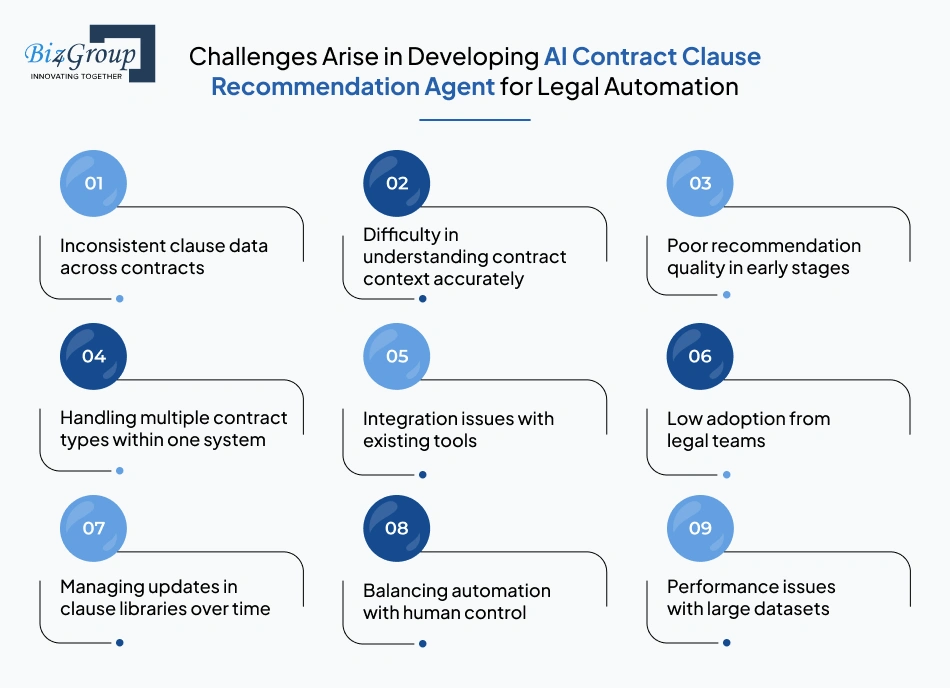
Creating a reliable system is not just about models and data. When teams try to create AI agent for accurate contract clause suggestions, several practical challenges appear during development that directly impact performance, usability, and long-term adoption.
Addressing these challenges early helps avoid delays and rework later.
|
Challenge |
Solution |
|---|---|
|
Inconsistent clause data across contracts |
Standardize clause formats by reviewing existing contracts, removing duplicates, and creating a clean, structured clause library before using it in development. |
|
Difficulty in understanding contract context accurately |
Use well-defined input structures and contextual tagging, so the system receives clear information instead of relying on raw, unstructured contract text. |
|
Poor recommendation quality in early stages |
Start with controlled datasets and gradually expand, while validating outputs with legal experts and work with AI product development company to improve accuracy step by step. |
|
Handling multiple contract types within one system |
Break contract types into categories and define separate logic for each with the support from AI developers instead of using a single approach for all contracts. |
|
Integration issues with existing tools |
Plan integration early and align system architecture with current platforms to avoid compatibility issues during later development stages. |
|
Low adoption from legal teams |
Involve legal teams during development and keep the interface simple so they can trust and use the system comfortably in daily work. |
|
Managing updates in clause libraries over time |
Set up a process to regularly review and update clauses, so the system always uses the latest approved legal language. |
|
Balancing automation with human control |
Keep approval workflows in place so legal teams can review and modify suggestions instead of relying fully on automated outputs. |
|
Performance issues with large datasets |
Optimize data storage and retrieval methods so that the system can handle large volumes of clauses without slowing down. |
Development challenges directly influence how usable the system becomes in real contract workflows. Teams that work closely with experienced enterprise AI solutions providers can address these issues early, reduce rework, and ensure the system performs reliably once deployed.
Avoid Costly AI Mistakes Early
Solve data, adoption, and workflow blockers before they slow your launch
Talk To our AI SpecialistsWhy is Biz4Group LLC the Best Company to Develop Contract Clauses Recommendation AI Agent for Legal Automation?
Working with the right team makes a clear difference when you plan to build a contract clause recommendation AI Agent for legal automation. The focus should not only be on technology, but on how well the solution fits real legal workflows and business expectations.
At Biz4Group LLC, we approach this with a strong understanding of how legal teams operate. Instead of offering generic systems, we design solutions that align with contract structures, approval flows, and compliance needs that organizations already follow.
As an experienced AI agent development company, with deep expertise in legal tech we focus on creating systems that help generate legal clauses for contracts automatically while still keeping control in the hands of legal professionals. This balance ensures that automation supports decision-making rather than replacing it.
Still not convinced? Here’s the proof:
1. Custom Enterprise AI Agent: Managing Internal Operations Across Systems
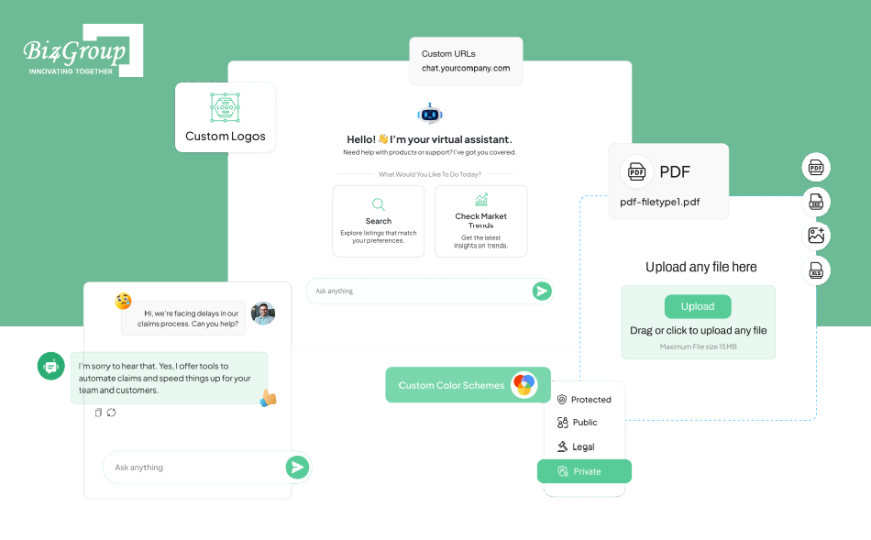
Custom Enterprise AI Agent was built to handle internal operations where employees depend on multiple systems to get information or complete tasks. Instead of switching between tools, the AI agent connects with enterprise systems and responds based on real data.
- Pulls information directly from systems like CRM, HR platforms, and internal databases when responding to queries
- Handles tasks such as retrieving records, updating entries, or triggering internal workflows
- Maintains continuity across interactions so follow-up queries use previous context instead of restarting
Therefore, this AI agent reduces dependency on manual coordination and allows teams to access information or complete actions without navigating multiple platforms.
2. TrialProofer: Structuring Legal Data for Smarter Decision-Making
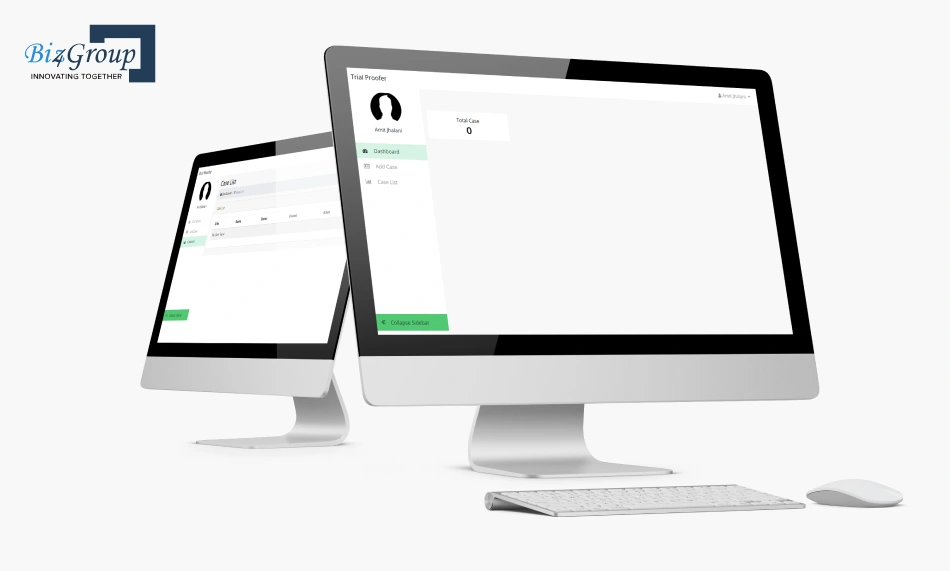
TrialProofer reflects how legal data can be organized in a way that supports faster and more accurate decision-making during trial preparation. The platform focuses on connecting different elements of a case instead of treating them as isolated documents. It:
- Maps case timelines to track events and legal arguments clearly
- Links evidence and witness details to specific case points
- Organizes legal information in a searchable and structured format
This kind of structured data handling directly supports systems where context-driven recommendations, such as contract clauses, depend on how well information is organized.
3. Court Calendar: Managing Legal Workflows in Real Time
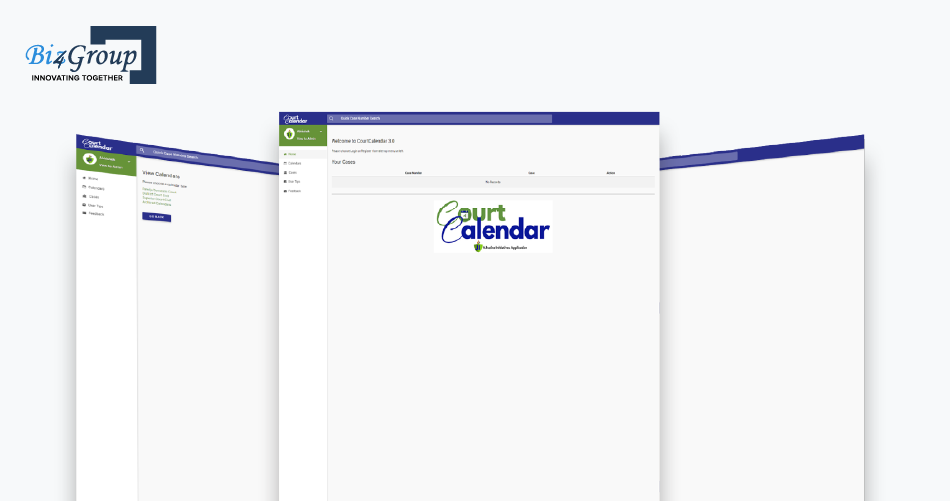
Court Calendar highlights how legal workflows can be streamlined when scheduling and case tracking are handled within a unified system. It focuses on keeping legal teams aligned with timelines and ongoing activities. It:
- Tracks hearings, deadlines, and case schedules in one place
- Provides real-time updates to avoid missed events
- Centralizes case-related information for better coordination
This approach shows how structured workflows and real-time visibility play a key role when integrating automation into legal operations.
Beyond the projects we have delivered, what truly sets us apart is our focus on building solutions that stay practical, scalable, and cost-efficient from the start. This allows us to build systems that align with real contract workflows and operational expectations. If you are looking for a team that delivers AI solutions designed for practical use, not just controlled environments, it’s worth starting a conversation with us.
Conclusion
Moving forward with contract clause automation is less about replacing legal expertise and more about strengthening it with the right support. Working with an experienced AI development company helps bring structure to contract workflows while keeping decisions in your control. If you are already thinking about how to automate contract drafting with AI for your company, the next step is understanding what fits your operations best.
At Biz4Group LLC, the focus stays on building solutions that align with real legal processes and business expectations. Every organization handles contracts differently, and that is where a tailored approach makes a difference instead of a one-size-fits-all system.
If you are planning to build a contract clause recommendation AI Agent for legal automation, this is the right time to take that step. Let’s connect and discuss how your contract workflows can be simplified without adding complexity.
FAQ’s
1. How can I use AI to recommend contract clauses for my business agreements?
AI can be used by connecting it with your existing contract templates and past agreements. The system analyzes contract type, terms, and context to suggest relevant clauses, helping teams draft contracts faster without relying only on manual input.
2. Can AI help generate legal clauses for contracts automatically without compromising accuracy?
Yes, AI can help generate legal clauses for contracts automatically when it is trained on structured legal data and reviewed by legal teams. The system suggests clauses based on context, while final approval still remains with professionals.
3. Which AI solutions suggest clauses based on contract type and business context?
AI solutions designed for contract intelligence use structured clause libraries and contextual understanding to recommend clauses. These systems match contract type, industry, and requirements to provide relevant clause suggestions instead of generic outputs.
4. How long does it take to develop an AI agent for contract clause recommendations for legal automation?
Development timelines usually range from 8 to 16 weeks depending on scope, number of contract types, and system integrations. Simpler versions can be built faster, while enterprise-level solutions take longer due to complexity.
5. What is the typical cost range for contract clauses recommendation AI agent development for legal automation?
The cost typically ranges between $30,000 and $150,000+ based on system complexity, integrations, and intelligence level. Smaller implementations cost less, while enterprise-grade systems require higher investment due to advanced capabilities
6. How do businesses use AI agents for contract clause recommendations in real operations?
Businesses use AI agents within their contract workflows to assist legal and operational teams during drafting and review. The system suggests clauses based on context, helping teams maintain consistency without interrupting existing processes.
